Why Choose Scaffold Hoists for Your Construction Projects?
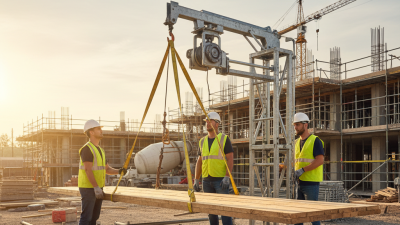
In the construction industry, efficiency and safety are paramount. Scaffold hoists have emerged as vital tools for modern construction projects. According to a report by the Occupational Safety and Health Administration, proper lifting equipment reduces workplace injuries by up to 25%. This statistic highlights the importance of safety in construction operations.
Scaffold hoists enhance productivity on job sites. They allow workers to transport heavy materials quickly and safely. The Global Construction Equipment Market report indicates a steady increase in demand for lifting equipment like scaffold hoists, projecting growth rates at about 4.5% annually. This reflects a clear trend toward optimizing construction processes.
While scaffold hoists offer numerous advantages, it is crucial to acknowledge potential drawbacks. Improper usage can lead to accidents. Construction managers must ensure proper training for their teams. Additionally, regular maintenance of scaffold hoists is essential to prevent malfunctions. Ultimately, selecting scaffold hoists can lead to safer and more efficient construction projects when used correctly.

Benefits of Using Scaffold Hoists in Construction Projects
Scaffold hoists are becoming indispensable in modern construction projects. According to a report by the International Association of Scaffold and Access Professionals, using scaffold hoists can enhance efficiency by up to 50%. This significant improvement can lead to faster project completion and reduced labor costs.
One major benefit of scaffold hoists is safety. They provide stable and reliable vertical access to heights. Recent data from the Occupational Safety and Health Administration shows that proper use of scaffold systems decreases fall-related accidents by 35%. This reduction can save lives and minimize injuries on job sites, making scaffold hoists a smart choice for safety-conscious teams.
However, it's crucial to consider that not all scaffold hoists are created equal. Some may fail to meet industry standards, leading to potential hazards. Regular inspections and adherence to safety guidelines are vital. This commitment ensures that workers are always protected. Investing in training for proper operation further enhances safety. With the right practices, scaffold hoists can transform construction efficiency and safety, fostering a more productive work environment.
Types of Scaffold Hoists Available and Their Applications
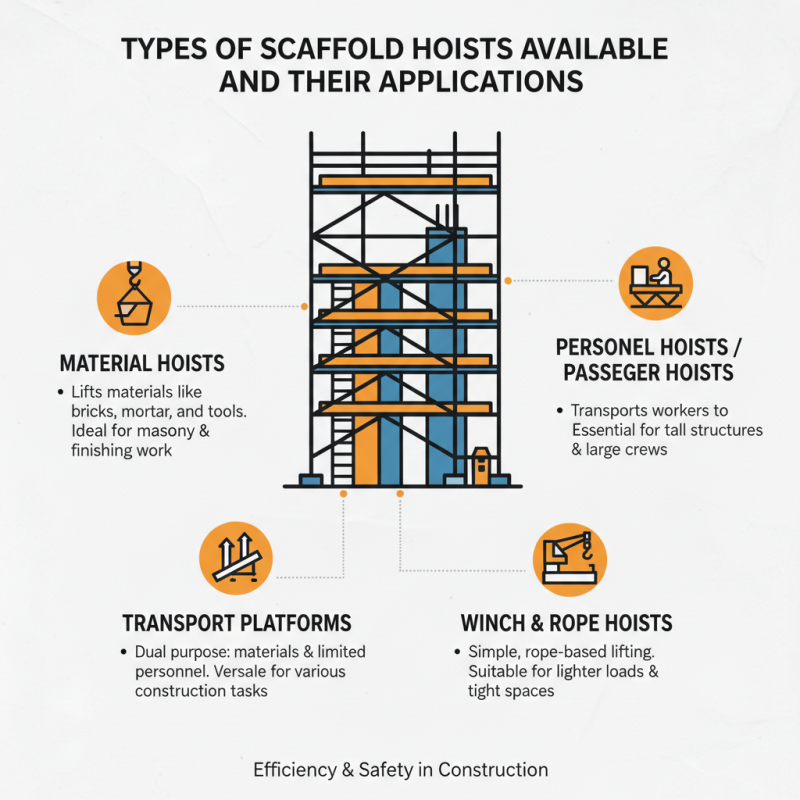
Scaffold hoists are essential tools in construction. They facilitate moving materials and workers to elevated areas efficiently. Various types of scaffold hoists are designed for specific tasks, providing versatility in different applications.
The most common types include electric hoists, manual hoists, and pneumatic hoists. Electric hoists are prevalent for heavy loads. They can lift up to 1,500 lbs, greatly increasing productivity on job sites. Manual hoists, on the other hand, are economical for lighter loads. They are typically used in renovations and smaller projects. Pneumatic hoists utilize compressed air, making them ideal for environments where electricity might be hazardous.
When selecting a scaffold hoist, consider the weight capacity and the height needed. This will ensure safety and efficiency in operations. It's reported that over 40% of construction injuries stem from improper material handling. Always inspect hoists and ensure operator training is comprehensive.
Tips: Regular training sessions for workers can significantly reduce accidents. Invest time in safety practices for a smoother workflow. Additionally, monitor equipment maintenance diligently. Good equipment leads to fewer delays and higher productivity.
Key Features to Consider When Selecting Scaffold Hoists
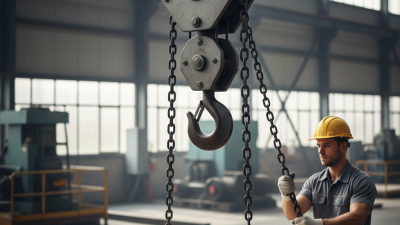
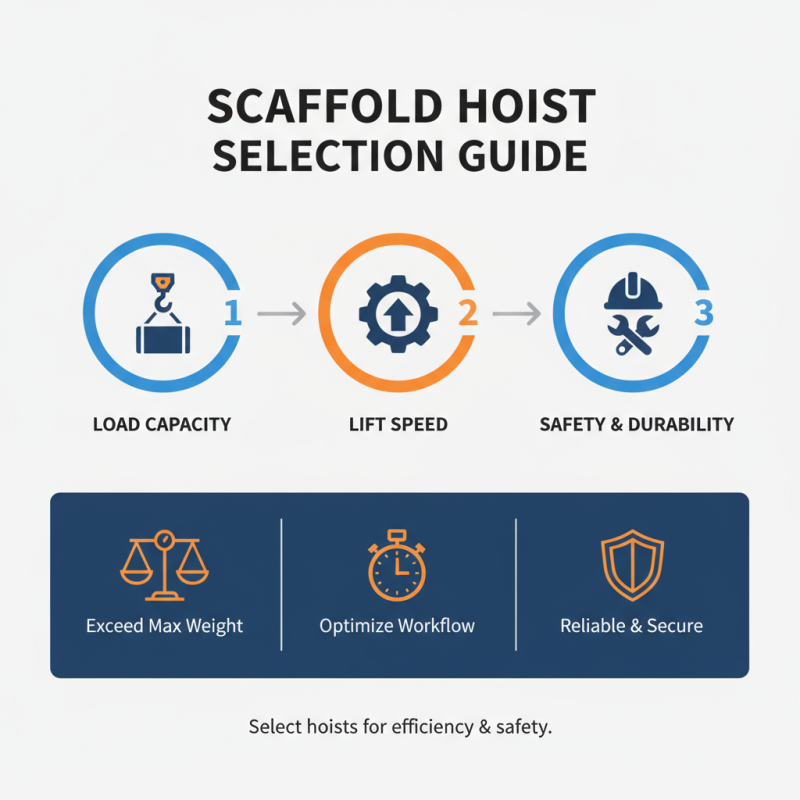
When selecting scaffold hoists for construction projects, several key features stand out. Load capacity is crucial. Determine the weight of materials you’ll handle. Choose a hoist that exceeds your maximum needs. A hoist with inadequate capacity can lead to accidents and delays.
Next, consider the speed of operation. Fast hoists can improve productivity. But, if the speed is too high, it may compromise safety. It’s essential to strike a balance. Look for models that offer adjustable speeds, allowing for varied workloads.
Safety features cannot be overlooked. Mechanical brakes, limit switches, and emergency stop functions should be standard. Reliability in harsh weather also matters. Hoists should perform well in windy or rainy conditions. Regular maintenance is vital, as wear and tear can impact performance. Take time to evaluate all these factors. Making an informed choice will enhance both safety and efficiency on your job site.
Safety Considerations and Best Practices for Scaffold Hoist Use
When using scaffold hoists, safety must be the top priority. Ensure all operators are trained properly. They should understand how to operate the hoist safely. Regular inspections are crucial. Check for wear and tear. Any damaged components can lead to accidents. A damaged hoist sees decreased reliability. Always keep the work area organized. Clutter can cause trips and falls, putting workers at risk.
Using proper personal protective equipment (PPE) is essential. Helmets, gloves, and harnesses protect workers from potential hazards. Implement communication systems to alert team members of any issues. Clear signals can prevent misunderstandings. Workers should never overload hoists. Exceeding the weight limit increases the chance of malfunction. Encourage regular safety briefings to reinforce good practices.
Lastly, keep an eye on weather conditions. High winds can make hoisting dangerous. Workers should be aware of their surroundings. Situational awareness can help prevent accidents. Encourage feedback from the team to enhance safety practices. Reflecting on experiences allows continuous improvement in safety protocols. This proactive approach is vital in construction projects.
Why Choose Scaffold Hoists for Your Construction Projects? - Safety Considerations and Best Practices for Scaffold Hoist Use
| Dimension |
Description |
Importance |
Best Practices |
| Load Capacity |
Maximum weight the hoist can safely lift. |
Ensures safe lifting operations and prevents equipment failure. |
Always respect the load limits set by the manufacturer. |
| Height Limit |
Maximum height the scaffold hoist can reach. |
Prevents accidents related to excessive height and instability. |
Regularly check height specifications and avoid exceeding limits. |
| Safety Features |
Built-in safety mechanisms like emergency stop buttons. |
Enhances worker safety and minimizes risk during operation. |
Familiarize all operators with safety features and their functions. |
| Training Requirements |
Necessary qualifications for operating a scaffold hoist. |
Ensures that only trained personnel operate the equipment. |
Implement comprehensive training programs for operators. |
| Routine Inspections |
Regular checks to ensure equipment safety and function. |
Helps identify potential issues before they become serious problems. |
Set a schedule for inspections and maintenance checks. |
Cost-Effectiveness of Scaffold Hoists Compared to Traditional Methods
Scaffold hoists offer significant cost advantages over traditional methods. They reduce labor hours, allowing projects to proceed more efficiently. With a scaffold hoist, fewer workers are required to move materials. This not only trims labor expenses but also minimizes worker fatigue and enhances safety on-site.
Moreover, scaffold hoists improve productivity by delivering materials directly to elevated areas. This targeted delivery system prevents unnecessary handling, cutting down on waste. Traditional lifts often lack this precision, leading to delays. However, reliance on hoists can also pose challenges. Operators must be skilled to ensure safety and reliability, highlighting the need for proper training.
In addition, hoists require an initial investment. Understanding the long-term savings is crucial for decision-makers. Some projects may still rely on scaffold towers and ladders, which can be inefficient. This discrepancy can prompt a reevaluation of methods used. Ultimately, the choice between scaffold hoists and traditional equipment hinges on balancing costs and operational efficiency.