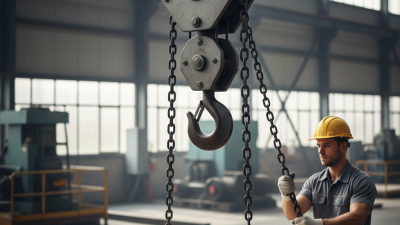
Best Manual Chain Hoist for Efficient Lifting Solutions?
When considering lifting solutions, a Manual Chain Hoist stands out as a reliable tool. These devices are indispensable in various industries, from construction to manufacturing. The global market for manual hoists is projected to grow significantly, with estimates suggesting an increase of over 6% annually until 2027. This growth reflects an increasing demand for efficient lifting mechanisms, especially in confined spaces.
A Manual Chain Hoist can handle loads from a few hundred pounds to several tons, showcasing its versatility. Its mechanical simplicity ensures it operates effectively without the need for electricity. However, potential users must be aware of the limitations of manual hoists. They require proper training to avoid physical strain and ensure safety. Besides, without regularly scheduled maintenance, performance can suffer over time.
Understanding the specifications and industry standards is crucial. A poorly chosen hoist can lead to accidents or inefficiencies. Reviewing professional guidelines can provide insights into the best practices for using a Manual Chain Hoist. By prioritizing expert advice and maintaining the equipment, users can enhance safety and efficiency in their lifting tasks.
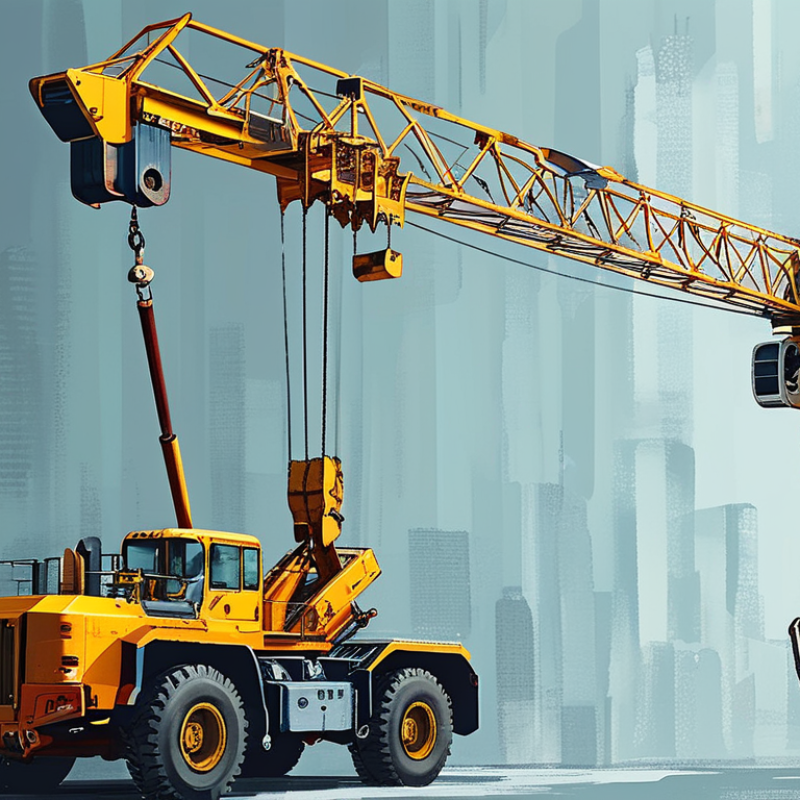
Understanding Manual Chain Hoists: A Comprehensive Overview
Manual chain hoists are vital tools for lifting heavy loads efficiently. They are commonly used in various industries, including construction, manufacturing, and warehousing. By utilizing a manual chain hoist, operators can lift items without needing electrical power. This makes them reliable in remote locations or during power outages.
When choosing a manual chain hoist, consider its weight capacity and lifting height. Some hoists lift several tons, while others handle lighter loads. Always follow safety guidelines to prevent accidents. Inspect the device regularly for wear or damage that could affect its performance. The chain must be of high quality to endure everyday use and heavy loads.
Users often encounter challenges like improper setup or insufficient training. These issues can lead to operational risks. It's crucial to ensure that all operators are familiar with the hoist's mechanics. Regular training sessions can enhance safety and efficiency. Reflecting on past lifting experiences can also identify areas for improvement.
The right manual chain hoist can transform lifting operations, making them safer and more effective.
Key Features to Consider When Choosing a Manual Chain Hoist
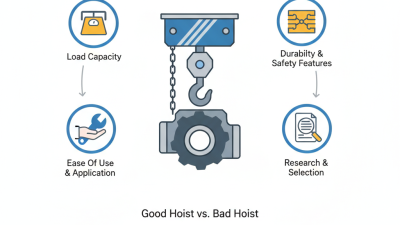
When selecting a manual chain hoist, it’s crucial to focus on specific features that can enhance efficiency. Load capacity is a primary factor. Knowing the maximum weight your hoist can lift is essential for safety. A hoist should comfortably handle the load, ensuring it isn't pushed to its limits. Additionally, consider the lift height. Short lifts can limit functionality, while adequate height allows for versatility in various applications.
Durability is also important. A hoist made from robust materials can withstand regular use. Look for models with weather-resistant coatings if you plan to use your hoist outdoors. Ease of operation matters, too. A smooth and ergonomic handle can reduce operator fatigue, especially during prolonged use.
Another consideration is safety features. Hooks should have safety latches to prevent accidental unhooking. A reliable braking system is essential for controlled lifting. However, not all hoists come with these features, which can be a drawback. Reflect on your needs carefully. Balancing features and costs can often reveal areas to improve your choice for optimal performance.
Top Brands and Models of Manual Chain Hoists on the Market
Manual chain hoists are essential tools for lifting heavy loads efficiently. They are widely used in various industries, such as construction, manufacturing, and warehousing. According to industry analysis, the global market for manual chain hoists is expected to grow at a CAGR of 4.5% through 2025. This indicates increasing demand for reliable lifting solutions.
When choosing a manual chain hoist, several brands and models stand out. For instance, a high-quality hoist typically features an ergonomic design. This makes lifting smoother and reduces operator fatigue. Many models can lift loads ranging from 1 ton to over 10 tons. Additionally, safety features like overload protection are crucial. They help prevent accidents and equipment damage.
Although many models perform well, there are limitations. Some hoists may struggle with extremely heavy loads. Regular maintenance is also required for optimal performance. Users often report variability in lifting speeds, affecting efficiency. Understanding these nuances is essential for selecting the right hoist for specific tasks. Proper training for operators can further enhance safety and operational efficiency.
Safety Tips for Operating Manual Chain Hoists Effectively
Manual chain hoists are valuable tools for lifting heavy loads in various settings. However, safety is paramount when operating these devices. Approximately 50% of lifting accidents are linked to improper use. Understanding safety tips can enhance risk management.
Always inspect the hoist before use. Look for signs of wear or damage. A worn chain can snap under heavy loads. According to industry standards, regular inspections can reduce accidents by up to 20%. Proper training is crucial. Operators should know their hoist's weight capacity. Exceeding this limit poses significant risks.
Use appropriate Personal Protective Equipment (PPE). Hard hats and gloves can prevent injuries. Furthermore, clear communication among team members can enhance safety. Avoid operating near electrical lines or under heavy loads. Safety protocols are not just guidelines; they are essential for preventing mishaps. Remember, the safest operation is a collaborative effort. Proper techniques may take time to learn but can save lives.
Best Manual Chain Hoist for Efficient Lifting Solutions? - Safety Tips for Operating Manual Chain Hoists Effectively
| Feature |
Specification |
Safety Tips |
| Lift Capacity |
1 ton |
Always check the lift capacity before operation. |
| Lift Height |
10 meters |
Ensure proper positioning prior to lifting. |
| Weight |
15 kg |
Use proper technique to prevent injury when lifting the hoist. |
| Chain Material |
Alloy Steel |
Inspect chains for wear and tear regularly. |
| Operating Mechanism |
Manual Hand Chain |
Keep hands free from moving parts during operation. |
| Safety Features |
Auto brake, overload protection |
Always test safety features before use. |
| Maintenance Schedule |
Monthly |
Schedule regular maintenance to ensure safe operation. |
Maintenance Practices for Prolonging the Lifespan of Chain Hoists
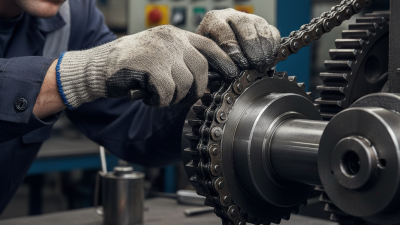
Maintaining a manual chain hoist is essential for optimal performance and longevity. Regular inspections are critical. Look for signs of wear or damage in chains and hooks. A frayed or rusted chain can lead to catastrophic failures. Lubricate moving parts to minimize friction. Proper lubrication reduces wear and enhances functionality. Use recommended lubricants and apply them according to guidelines.
Storing the hoist correctly makes a difference. Keep it in a dry place to prevent rust. Moisture can corrode metal components. It's also important to avoid excessive loads. Always check the weight limits and respect them. Overloading a hoist can lead to significant safety risks and equipment damage.
Post-use care is often overlooked. Clean the hoist to remove dust and debris. These residues can affect operation. If not cleaned, they can cause parts to stick or seize. Perform periodic maintenance, even if the hoist appears functional. Ignoring this step can lead to unforeseen issues down the line. Consider documenting maintenance activities to track the hoist's condition. This practice establishes accountability and ensures that any changes are noted.
Best Manual Chain Hoist Maintenance Practices