Best Manual Winch Options for Efficient Lifting and Pulling?
In the realm of lifting and pulling, having the right tools is essential. Manual winches are practical solutions that bring efficiency and reliability to various tasks. With their sturdy builds and mechanical advantages, these devices offer power without needing electricity. Whether you are hoisting heavy loads in a garage or pulling a stranded vehicle, a manual winch can be invaluable.
However, not all manual winches are created equal. Choosing the right one can be daunting, given the array of options available. Some feature simple designs, while others come equipped with advanced mechanisms. It’s critical to identify your specific needs before making a decision. Factors such as weight capacity, gear ratio, and ease of use should guide your selection. Understanding how these attributes affect performance is important for a reliable purchase.
While manual winches are effective, they are not without flaws. Misuse can lead to accidents or damage. Regular maintenance and proper technique are vital to ensure longevity. Thus, choosing a manual winch is not just about the product but also understanding your usage. In this exploration, we will delve into the best manual winch options that balance quality and function.
Types of Manual Winches: A Comprehensive Overview
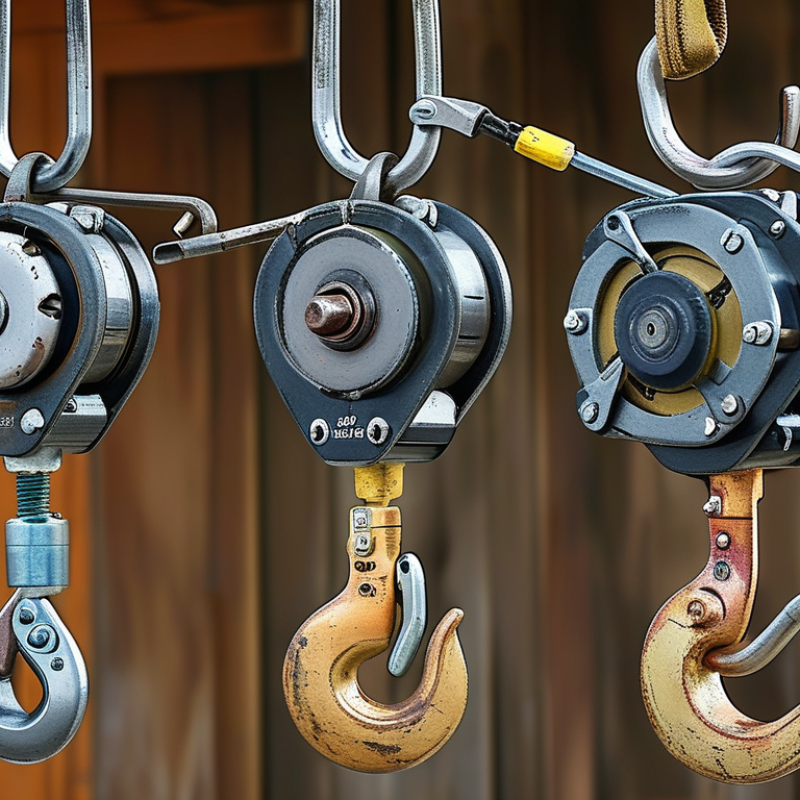
When selecting a manual winch, it’s important to understand the different types available. Each winch serves unique lifting and pulling needs. A common type is the hand crank winch. It is simple and effective for lighter loads. These winches are often used in towing and outdoor activities. Their design allows for quick setups. They are portable, making them ideal for various tasks.
Another notable type is the ratchet winch. This winch provides better control with its ratcheting mechanism. It’s suitable for securing loads during transport. Users appreciate the ease of operation. However, it can be tedious for heavier applications. It's crucial to consider load capacity when choosing this type.
Then there are drum winches, designed for larger loads. They are commonly used in industrial settings. Drum winches offer higher pulling power. Their sophisticated design may involve more maintenance. It’s necessary to understand their operational requirements. Many users overlook the importance of regular checks. Each winch type has strengths and weaknesses. Selecting the right manual winch depends on your specific needs.
Key Features to Consider When Selecting a Manual Winch
When selecting a manual winch, several key features warrant consideration. First, the weight capacity should match your needs. Evaluate the maximum load you intend to lift or pull. A winch that does not meet this requirement may lead to safety hazards. Look for options with a sturdy construction. Materials like heavy-duty steel often indicate durability.
Another important feature is the gear ratio. A higher gear ratio means more mechanical advantage, allowing you to lift heavier loads with less effort. However, too high a ratio can slow down the process. Balance is crucial. The winch should be easy to operate. Comfort during use can greatly affect performance.
**Tips**: Always check for a reliable braking system. This ensures controlled descent and prevents accidents. Don't forget to assess the rope length. A winch with insufficient rope can limit its versatility, forcing you to reposition frequently. Keep in mind that maintenance is crucial. Regularly inspect your winch for wear and tear to maintain functionality and safety.
Best Manual Winch Options for Efficient Lifting and Pulling
This chart represents the lifting capacities of various manual winch options available in the market, showcasing their efficiency in lifting. Users should consider these capacities alongside other features when selecting the best manual winch for their needs.
Top Brands and Models of Manual Winches in the Market
When searching for the ideal manual winch, several brands and models consistently stand out in the market. Industry reports indicate that manual winches can lift weights ranging from 500 to over 10,000 pounds. This versatility makes them suitable for various applications, from recreational use to heavy-duty industrial tasks. Research from the Association of Equipment Manufacturers shows that efficient winches reduce labor time by up to 30%.
Leading manufacturers focus on user-friendly designs. Many models incorporate a gear reduction system, enhancing lifting power while minimizing effort. However, not all products achieve this balance. Some winches can be difficult to operate if not properly maintained. User feedback highlights that regular inspections contribute to safe and effective usage.
While manual winches can be incredibly valuable, potential buyers should critically evaluate their needs. Users often overlook weight capacities, leading to unfortunate mishaps. Ensuring the right specifications prevents accidents and promotes efficiency. A well-chosen manual winch can be a significant investment. The right model will reliably perform under pressure.
Best Manual Winch Options for Efficient Lifting and Pulling
| Model |
Lifting Capacity (lbs) |
Gear Ratio |
Weight (lbs) |
Price ($) |
| Manual Winch A |
2000 |
4:1 |
15 |
120 |
| Manual Winch B |
1000 |
5:1 |
10 |
80 |
| Manual Winch C |
1500 |
3:1 |
12 |
100 |
| Manual Winch D |
2500 |
6:1 |
16 |
150 |
| Manual Winch E |
3000 |
8:1 |
20 |
200 |
Safety Tips for Using Manual Winches Effectively
Manual winches are useful for various lifting and pulling tasks, but safety is crucial. When using a manual winch, always inspect your equipment before each use. Look for any signs of wear, such as frayed cables or damaged gears. Proper maintenance can prevent accidents and ensure efficiency.
Proper technique plays a vital role in safety. Always wear appropriate personal protective equipment, such as gloves and sturdy footwear. Maintain a firm grip on the handle while operating the winch. Keep your hands clear of moving parts to avoid injury. Focus on your task to minimize distractions that can lead to mistakes.
Be mindful of your surroundings. Ensure the area is clear of obstacles that may interfere with the load. If working with others, communicate effectively to coordinate movements. Consider using a spotter if you're lifting heavy or awkwardly shaped objects. A manual winch can be an excellent tool, but only when used with caution and awareness.
Maintenance Best Practices for Longevity of Manual Winches
Manual winches are essential tools for lifting and pulling heavy loads. Proper maintenance is crucial for ensuring their longevity and optimal performance. Regular inspections should become a routine. Look for signs of wear in the gears and cables. Rust can weaken parts; addressing it promptly can prevent accidents. A light coat of oil can help protect against moisture.
Cleaning the winch after use is also important. Dirt and debris can accumulate, causing parts to malfunction over time. Wipe down all surfaces and check the mechanism for any blockages. Attention to the gear system is critical. If it feels rough or sticky, it may need lubrication or even cleaning. Some users may overlook this step, but it can lead to unnecessary frustration.
Store the winch in a dry, cool location. Extreme temperatures can affect its functionality. Consider using a cover to protect it from dust and elements. Over time, even the best care won’t prevent wear entirely. Being aware of the signs that your winch needs replacement is essential for safety. Regular maintenance not only extends its life but also enhances your own efficiency in lifting and pulling tasks.