Best Scaffold Hoists for Safe and Efficient Construction?
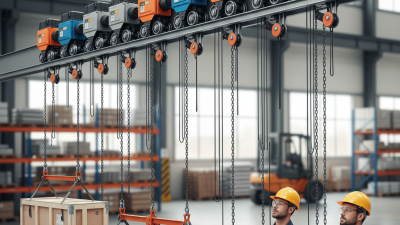
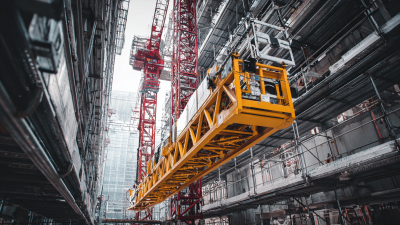
Scaffold Hoists play a crucial role in modern construction sites. They elevate materials and tools, ensuring efficiency and safety. A well-chosen scaffold hoist can significantly reduce labor risks. For instance, imagine lifting heavy beams without straining workers’ backs. This lifts not only saves time but also prevents accidents.
However, not all scaffold hoists are created equal. Some models may falter under heavy loads, creating delays. Choosing reliable hoists requires careful consideration of weight limits and safety features. Visualizing a robust hoist in action can help identify the right fit for your project.
The efficiency of a construction site hinges on such details. A malfunctioning hoist can lead to costly setbacks. Therefore, diligent research and informed decisions are vital. A successful project relies on the right tools.
Overview of Scaffold Hoists in Construction Safety
Scaffold hoists are essential for modern construction sites. They help lift materials and tools efficiently. Safety is a key factor in their usage. Workers can easily access hard-to-reach areas. However, improper use can lead to accidents. It is vital to follow safety guidelines.
Training is important for all users of scaffold hoists. Understanding load limits and equipment functions reduces risks. Still, not all workers receive adequate training. This can lead to mistakes. Regular maintenance checks are equally crucial. A malfunctioning hoist can cause serious injuries. Workers must inspect hoists daily before use.
Incorporating safety measures can enhance protection. Using harnesses and helmets is one step. Additionally, clear communication on the job site is necessary. It minimizes misunderstandings. Creating a proactive safety environment reduces accidents. Every worker should feel responsible for safety. A culture of safety benefits everyone involved in construction.
Features to Look for in High-Quality Scaffold Hoists
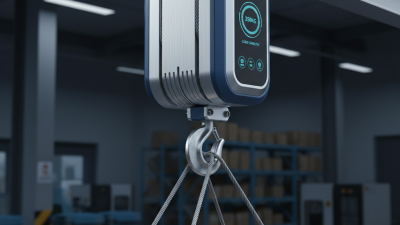
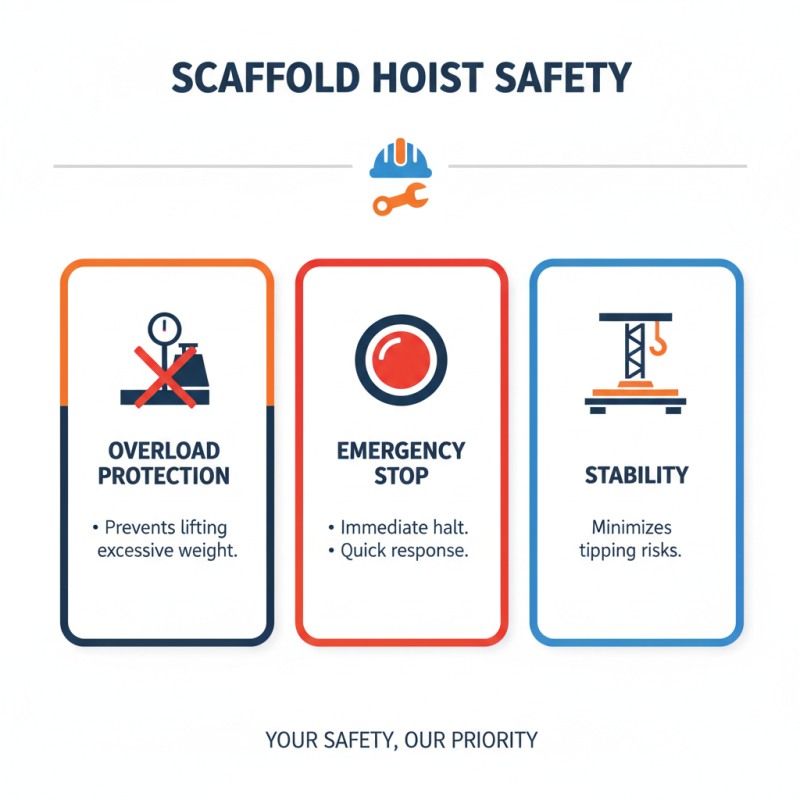
When choosing scaffold hoists, safety features should be your top priority. Look for overload protection to prevent lifting too much weight. An emergency stop button is essential for quick performance halts. Stability is crucial, too. A well-designed base can minimize tipping risks during operation.
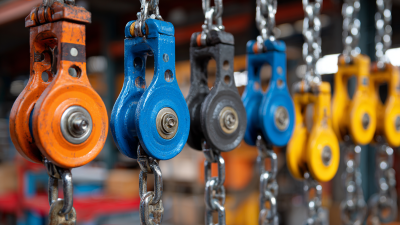
Consider the lifting capacity and speed. Some jobs require fast elevation, while others need steady lifting for precision. A hoist with adjustable speed might be useful here. Also, think about the materials used in the hoist. High-quality construction materials can withstand tough conditions.
Check for user-friendly controls. Complex systems can be confusing and delay tasks. Training workers on hoist operation is vital, but simplicity helps. Regular maintenance is equally important. Without it, even the best hoists can fail. Observing these qualities helps ensure a safer work environment.
Key Safety Regulations for Using Scaffold Hoists
When using scaffold hoists, safety is paramount. Adhering to regulations can prevent accidents and injuries. According to the U.S. Bureau of Labor Statistics, falls remain a leading cause of construction injuries, making safety practices critical. It's essential that workers understand the proper operating procedures for scaffold hoists.
Workers should inspect hoists before each use. Checking for wear, loose parts, or malfunctioning controls can prevent serious accidents. Training is another essential factor. Research shows that proper training reduces the risk of accidents by up to 60%. Ensure that every worker is familiar with the hoist's functions and safety protocols. This training fosters a culture of safety on the job site.
Tips: Always wear appropriate personal protective equipment (PPE) when operating or working near scaffold hoists. Communicate clearly with your team to keep everyone informed. Regularly review and drill safety protocols, as this keeps safety at the forefront of everyone's mind. Constructing a safety-first environment requires constant reflection and adjustment. Assessing daily practices can reveal areas needing improvement.
Maintenance Tips for Ensuring Efficient Hoist Operation
Maintenance is crucial for scaffold hoists to ensure their safe and efficient operation. Regular inspections can prevent costly breakages. In fact, studies indicate that 80% of equipment failures result from inadequate maintenance practices. Operators should conduct daily checks on key components, including cables, brakes, and motors. This proactive approach can mitigate risks and enhance performance.
Lubrication plays a vital role too. Hoists require proper lubrication to function smoothly. A lack of lubrication can cause wear and tear, leading to potential failures. It’s recommended to follow manufacturer guidelines on lubrication frequencies. Leaving this task unattended can result in decreased efficiency over time.
Another aspect to consider is operator training. Inadequate training can increase the risk of accidents. Research shows that well-trained operators are 50% less likely to cause incidents. Ensuring that all staff are competent in using scaffold hoists can significantly enhance workplace safety. Organizations must prioritize training for effective operation. Neglecting this can lead to mishaps that harm both personnel and equipment.