How to Choose the Right Scaffold Lift for Your Construction Needs?
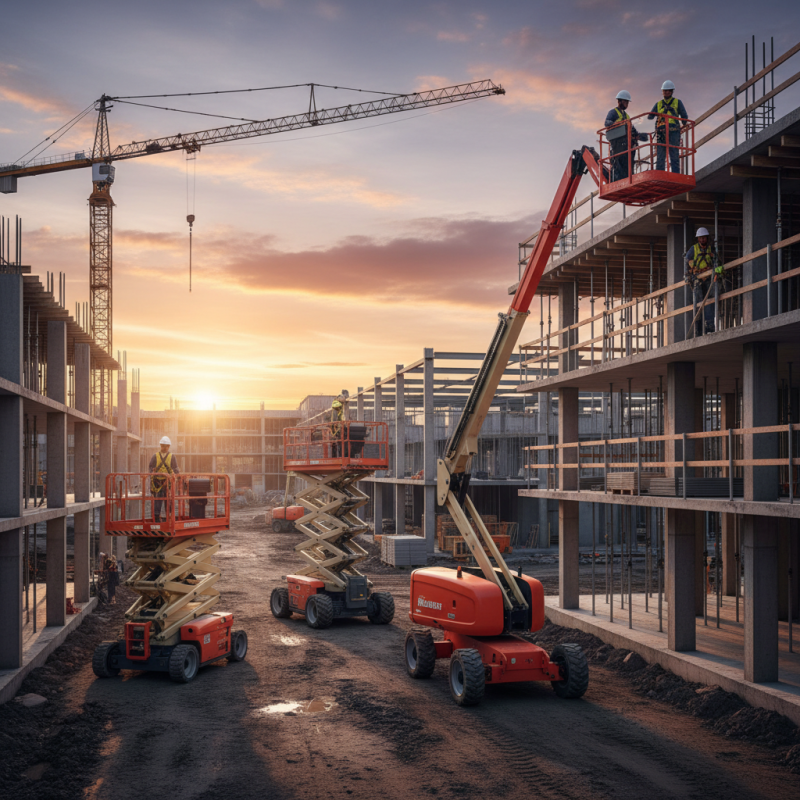
Choosing the right Scaffold Lift can significantly impact your construction project. Many options are available, each with unique features. The right choice depends on several factors, including project size, height requirements, and weight capacity.
Understanding your specific needs is crucial. For instance, some lifts are designed for narrow spaces, while others offer greater reach. You may also need to consider power sources—electric, manual, or gas. Each type has its advantages and limitations.
It's easy to overlook important details when making a decision. Ask yourself whether you have enough space for maneuvering. Think about the weight of materials you'll lift. Investing time in research can save you from future regrets. Remember, a well-suited Scaffold Lift can enhance safety and efficiency on-site.
Understanding the Different Types of Scaffold Lifts Available
When selecting a scaffold lift, understanding the different types available is crucial. There are several options to consider. Each type has its own features and benefits that cater to specific construction needs.
Electric scaffold lifts are great for indoor jobs. They are quiet and efficient. However, they may not be suitable for rough outdoor terrains. Make sure to verify the working height. Some lifts may not reach elevated areas effectively. Inspect your job site before choosing.
Manually operated scaffold lifts are another option. They offer simplicity and lower cost. However, they require more physical effort. It’s important to consider the operational workload. A lift that is too heavy can lead to fatigue.
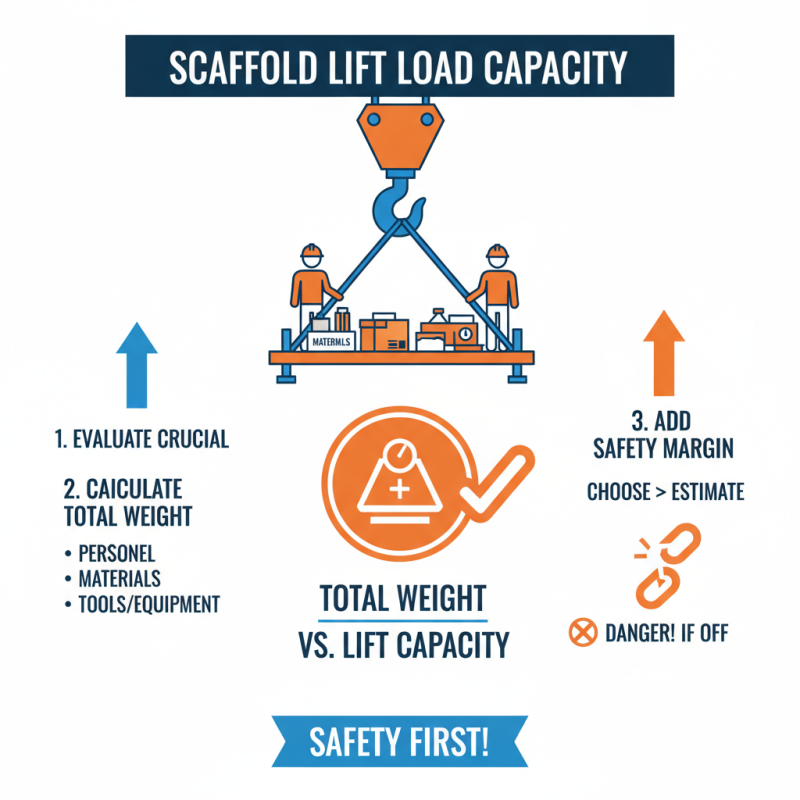
Tip: Always prioritize safety features. Look for models equipped with guardrails and non-slip surfaces. Also, consider the lift's weight capacity. You don’t want to overload it during operation. Ultimately, understanding the specific tasks and challenges ahead will guide you to the right choice.
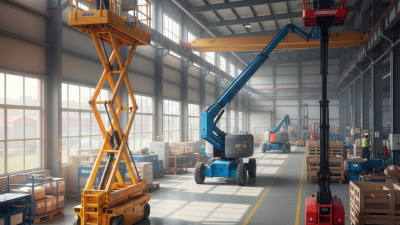
Types of Scaffold Lifts and Their Applications
Assessing Power Source Options for Efficiency and Safety
When selecting the right scaffold lift, power source options play a crucial role. Gas, electric, and diesel lifts come with unique advantages and limitations. Electric lifts are quieter and more eco-friendly. However, they require reliable power sources, which may not be available at all job sites.
In contrast, gas-powered lifts often provide more power. They are ideal for outdoor work. But they produce emissions and require adequate ventilation. Diesel lifts offer robust performance for heavy-duty tasks. Still, they can be noisy and may not be suitable for indoor use.
**Tip:** Evaluate the site conditions before choosing a power source. Consider both accessibility to power and environmental impact. Always think about the efficiency of your choice. Sometimes, the most powerful option isn't the best one for your specific needs. Reflect on your project requirements, and opt for a lift that balances performance and safety effectively.
**Tip:** Always ensure proper training for operators on the chosen lift type. Safety should never be compromised for convenience. A well-informed team can prevent accidents and boost overall efficiency on the job site.
Considerations for Mobility and Stability in Scaffold Lifts
When selecting a scaffold lift, mobility and stability are crucial.
A lift that is easy to maneuver can save time and reduce worker fatigue.
Look for wheels with good traction. They need to roll smoothly on various surfaces.
Consider the terrain at your construction site. If it’s uneven, a lift with wider wheels may be more suitable.
A compact design can also enhance mobility.
It allows access to tight spots without hassle.
Stability is equally important. A lift that can wobble poses risks.
Ensure it has a solid base and features like outriggers.
These improve balance and can prevent accidents. Workers should always use guardrails for extra safety.
Check weight capacity as well.
Overloading a lift can lead to dangerous situations. Lastly, height adjustments should be easy.
Complicated mechanisms can cause delays and frustration, leading to unsafe practices.
Safety and efficiency must always go hand in hand.
Safety Features and Compliance Standards to Look For
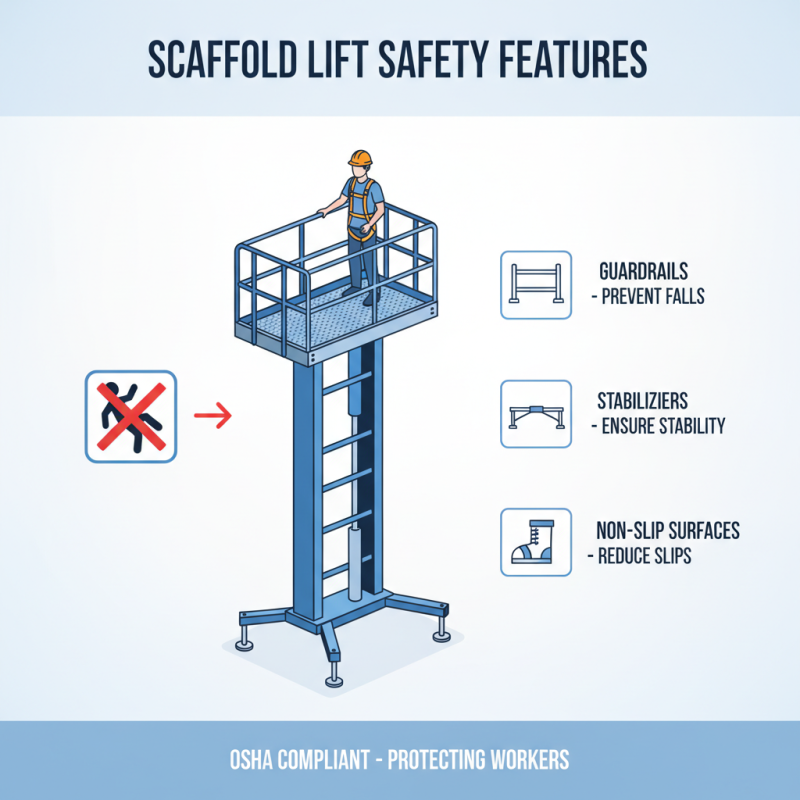
When selecting a scaffold lift, safety features are paramount. According to the Occupational Safety and Health Administration (OSHA), falls are a leading cause of workplace injuries. In 2020, nearly 35% of construction site fatalities were due to falls. Thus, a scaffold lift must adhere to strict safety standards. Look for features like guardrails, stabilizers, and nonslip surfaces. These elements can significantly reduce the risk of accidents.
Compliance with industry standards is essential. The American National Standards Institute (ANSI) develops these guidelines. They provide criteria that ensure scaffold equipment is safe and reliable. Equipment should meet ANSI A92 standards. Regular inspections are vital. A study from the National Institute for Occupational Safety and Health (NIOSH) indicated that scaffold failures often stem from improper usage and lack of maintenance. Regular checks can identify weaknesses before they lead to injury.
Note that training is crucial. Many operators may not fully understand the equipment’s limits. According to a report by the Bureau of Labor Statistics, over 40% of scaffold-related incidents involved untrained personnel. This highlights the need for proper education and awareness. Ensure that everyone on site knows how to use the scaffold lift safely. The combination of safety features, compliance with standards, and thorough training creates a safer work environment.