How to Choose the Best Electric Trolley Hoist for Your Needs?
Choosing the best Electric Trolley Hoist can be a daunting process. The right hoist plays a crucial role in improving safety and efficiency in various lifting tasks. Many factors influence this choice.
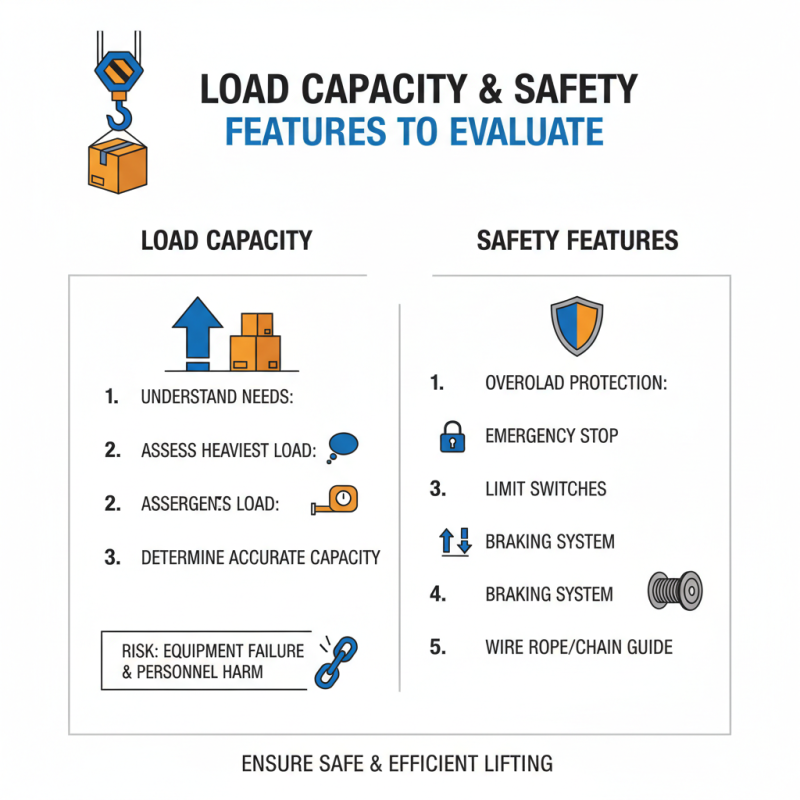
Consider the weight capacity of the Electric Trolley Hoist. Different models support different loads. Not all users appreciate the power needed for heavy loads. Safety features are also paramount. Look for models with overload protection and reliable brakes. The design and ease of use matter as well.
Researching reputable brands can help establish trust. User reviews often reveal both pros and cons of each model. Ensure you understand your specific needs before purchasing. This clarity can prevent future regrets.
Factors to Consider When Selecting an Electric Trolley Hoist
When selecting an electric trolley hoist, it's essential to consider various factors. Load capacity stands out as one of the primary criteria. Ensure the hoist can handle your intended load with a solid safety margin. A hoist may have a high capacity but could overheat under constant use. Look for features that enhance cooling. This consideration can extend the hoist's lifespan.
Next, examine the hoist's design and features. Compact models fit tighter spaces but may sacrifice stability. Check for adjustable heights and speeds. This flexibility can be vital for different applications. Additionally, assess the control mechanism. Some hoists come with wireless options, offering ease of operation. While this adds convenience, ensure that the remote range suits your workspace.
Lastly, don't overlook maintenance and support. Frequent maintenance is crucial for optimal performance. Some models have accessible parts for easier repairs. Verify if the manufacturer provides comprehensive support and resources. Reliable customer service can save you time during a failure. Choosing a hoist is a balance of features, capacity, and support. Reflect on these aspects for a decision that meets your needs.
How to Choose the Best Electric Trolley Hoist for Your Needs?
| Factor |
Description |
Importance Level |
| Load Capacity |
Determine how much weight you need to lift and choose a hoist that can handle it. |
High |
| Lifting Height |
Identify the maximum height the hoist needs to lift items. |
Medium |
| Power Source |
Decide between electric, battery-operated, or manual hoists depending on your needs. |
High |
| Weight of the Hoist |
Consider the hoist's own weight for ease of transport and setup. |
Low |
| Control Mechanism |
Evaluate the control options available, such as remote or manual controls. |
Medium |
| Safety Features |
Look for features like overload protection and emergency stop buttons. |
High |
| Durability |
Assess material quality and build to ensure long-term use. |
Medium |
| Price |
Compare prices across different models while considering features. |
High |
Types of Electric Trolley Hoists: An Overview
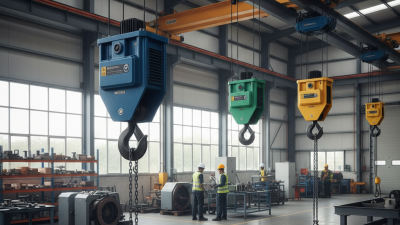
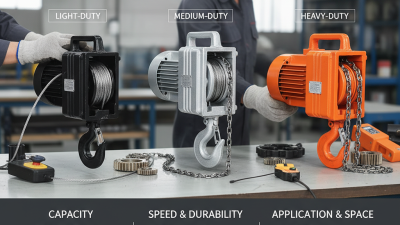
When considering electric trolley hoists, understanding the types available is crucial. There are generally three main types:
chain hoists,
wire rope hoists, and
lever hoists.
Each has distinct features suitable for various applications.
Chain hoists are often used in construction and manufacturing. They feature durable chains capable of lifting heavy loads.
On the other hand, wire rope hoists are ideal for tasks requiring longer lifting distances. They use strong wire ropes, ensuring flexibility and strength.
Lastly, lever hoists are manual devices designed for light-duty tasks. They are portable and easy to operate.
Tips: When choosing a hoist, assess the weight you need to lift. Overloading a hoist can lead to accidents.
Consider the space you have available. Some hoists need more vertical height than others. If it's not enough, a chain hoist may be a better fit.
Also, think about the environment. Outdoor or damp locations require hoists with weather resistance. You might face corrosion issues with inappropriate types.
Reflect on your lifting needs and consult with a professional if you're uncertain. It's essential to prioritize safety and efficiency.
Power Source Options for Electric Trolley Hoists
Choosing the right power source for an electric trolley hoist is crucial. Different power sources affect performance, reliability, and usability. Common options include electric, battery, and pneumatic systems. Each has strengths and weaknesses, making understanding your specific needs essential.
Electric hoists offer consistent power and efficiency. They are ideal for heavy, continuous lifting operations. A study by the American Society of Mechanical Engineers indicates that electrically powered hoists account for over 70% of the market due to their dependability. However, they may require robust electrical infrastructure, which can be costly in certain settings.
Battery-powered hoists are flexible and portable, perfect for locations without an electric supply. Their charging times vary and may limit usage hours. A market analysis found that 25% of users experienced usability issues due to battery life. Be mindful of battery maintenance to ensure longevity.
Tips: Assess your workspace before choosing a power source. Measure available electrical supply for electric hoists. For battery-operated models, factor in charging times. Always consider the weight capacity needed for your tasks; overestimating can lead to accidents. Remember to reflect on potential downtime when power sourcing, as it can impact overall productivity.
Maintenance and Durability Considerations for Long-Term Use
When selecting an electric trolley hoist, maintenance and durability are key factors. Regular care ensures that your investment lasts. Rust and corrosion can quickly lead to mechanical failures. Inspect components regularly for wear and tear. This helps you identify potential issues before they escalate.
Tips: Always keep the hoist covered when not in use. This provides protection from dust and moisture. Use a clean cloth to wipe down surfaces. Lubricate moving parts to maintain smooth operation.
The material quality affects durability. Look for hoists made from robust materials, which can withstand harsh environments. Always refer to the manufacturer's guidelines for maintenance. Following these suggestions, such as keeping connections tight, guarantees optimal performance and extends lifespan.
Consider the conditions where the hoist will be used. Factors like humidity, temperature, and load weight can impact durability. Reflect on these aspects to improve long-term usage. Regular maintenance and attention to detail can prevent unexpected failures, ensuring your hoist remains reliable for years.
Electric Trolley Hoist Maintenance and Durability Considerations