Inquiry
Form loading...

How to Choose the Right Hydraulic Cargo Lift for Your Needs?

Choosing the right Hydraulic Cargo Lift can be challenging. With numerous options available, it’s essential to understand your specific needs. The right choice can enhance efficiency and safety in transporting goods.

Consider your space and weight requirements. Hydraulic Cargo Lifts come in various sizes and capacities. You might think a larger lift is better, but that may not fit your space well. Precision is key. Think about the load you need to lift regularly.

Additionally, evaluate operation frequency and maintenance needs. Some models may require frequent upkeep. A cheaper model may seem appealing, but hidden costs can add up. Attention to details matters when investing in a Hydraulic Cargo Lift. Reflect on your choices carefully to avoid future issues.

How to Choose the Right Hydraulic Cargo Lift for Your Needs?

Understanding the Different Types of Hydraulic Cargo Lifts Available

How to Choose the Right Hydraulic Cargo Lift for Your Needs?

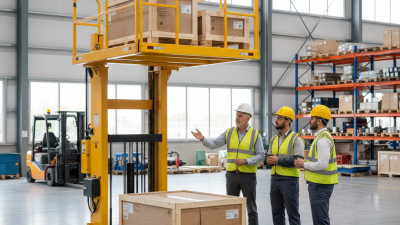
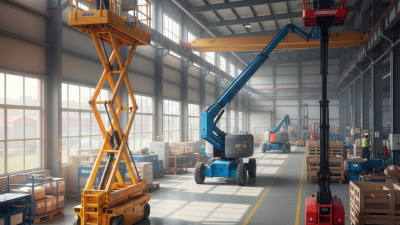
When choosing a hydraulic cargo lift, understanding the types available is essential. Hydraulic lifts generally fall into categories based on their application and design. For instance, scissor lifts are common in warehouses, providing a compact, stable solution for lifting heavy loads. They can reach heights of up to 40 feet and support weights between 3,000 and 10,000 pounds, making them versatile for different tasks.

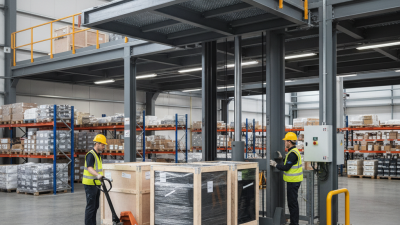
Another type is the vertical platform lift, ideal for transporting goods between floors. They offer a unique design that can save space, but their capacity often varies. Some platforms can hold weights from 1,000 to 5,000 pounds. According to industry reports, demand for vertical lifts has risen by 15% over the past five years, reflecting their growing popularity in logistics. However, these lifts may require specific installation conditions, which can lead to complications.

While hydraulic lifts provide significant advantages, acknowledging their limitations is important. Maintenance can be an ongoing issue, with reports indicating that over 30% of hydraulic system failures stem from inadequate upkeep. Also, safety protocols must be strictly followed. Any oversight in maintenance could lead to costly downtime, impacting operations. Making an informed choice requires weighing these factors carefully.

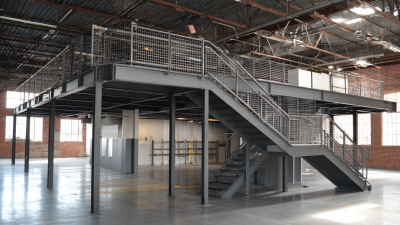
Key Specifications to Consider: Load Capacity, Lift Height, and Speed

Choosing the right hydraulic cargo lift for your needs is essential. Consider key specifications: load capacity, lift height, and speed. These factors directly affect efficiency and safety.

Load capacity is crucial. It determines how much weight the lift can handle. This varies based on the types of materials you plan to move. For instance, moving heavy machinery requires a higher capacity. Always think about future needs. What if you expand operations?

Lift height also plays a vital role. Assess where you will be using and what the maximum height required is. A lower lift might suffice for storage in a warehouse. However, if you work in multi-story buildings, a higher lift is necessary. It's important to measure the space accurately.

Speed can impact operations greatly. A faster lift can enhance productivity. However, be cautious. Too high a speed may compromise safety. Always factor in how many trips you'll make in a day.

Tip: Always consult with professionals before purchase. They can help identify what specifications suit your needs best.

Tip: Don't forget maintenance requirements. Some lifts may need more frequent upkeep than others.

Think about your long-term needs. Evaluating the specifications thoroughly can prevent future issues.

How to Choose the Right Hydraulic Cargo Lift for Your Needs?

Specification Option 1 Option 2 Option 3
Load Capacity 1,000 kg 2,500 kg 5,000 kg
Lift Height 3 m 6 m 9 m
Speed 0.2 m/s 0.4 m/s 0.6 m/s
Platform Size 1.5 m x 2.0 m 2.0 m x 3.0 m 2.5 m x 4.0 m
Power Supply 220 V 380 V 480 V

Evaluating Safety Features: Overload Protection and Emergency Systems

When choosing a hydraulic cargo lift, safety features are crucial. Overload protection is a fundamental aspect. It prevents the lift from operating beyond its weight capacity. A malfunction can lead to accidents and damage. Many systems include sensors to detect excess weight. This technology can stop the lift before any harm occurs.

Emergency systems are equally important. Operators should know how to respond in emergencies. Some lifts have emergency stop buttons within easy reach. Others feature alarms to alert personnel of issues. Regular maintenance checks ensure these systems function correctly. Operators need to reflect on their training in handling these emergencies. It's vital to prepare for unexpected situations.

Choosing the right lift involves considering these safety features seriously. Assess the risks associated with your specific operations. The wrong choice might lead to serious incidents. It’s essential to evaluate what might not be perfect in each model. Safety should never be an afterthought in your decision-making process.

Evaluating Safety Features of Hydraulic Cargo Lifts

Assessing Space Requirements and Installation Constraints for Your Lift

When selecting a hydraulic cargo lift, your space requirements are crucial. Measure the height, width, and depth of the area where the lift will be installed. Ensure there’s enough clearance above and below to avoid obstacles. A common mistake is underestimating the lift's footprint. Always draw a plan to visualize its fitting in your space.

Consider the installation constraints as well. Check for any structural limitations in your building. Additionally, look into local regulations concerning lift installations. You might need permits or specific safety features. On-site challenges can arise unexpectedly, such as uneven flooring or ceiling beams. Addressing these issues early on can save time.

Reflect on your future needs, too. Will your cargo volume increase? A lift that fits well now may not suit your business later. Overlooking this can lead to costly upgrades down the line. So, assess thoroughly before making a decision. Ensure your choice aligns with both current and future space requirements.

Maintenance Guidelines: Ensuring Longevity and Optimal Performance of Lifts

Maintaining a hydraulic cargo lift is crucial for its longevity and performance. Regular inspections can help spot potential issues early. Look for leaks, unusual noises, or irregular movements. These signs often indicate that something needs attention. Small problems can escalate into costly repairs if ignored.

Cleaning is just as important. Dust and debris can interfere with the lift's operation. Make a routine of cleaning around the lift. Check the hydraulic fluid levels periodically. Low fluid can lead to inefficient performance. Proper lubrication prevents wear and tear on moving parts.

Don’t overlook the importance of training staff. Everyone using the lift should know its operating procedures. Misuse can lead to accidents and equipment damage. Training sessions can also cover basic maintenance tasks. Encourage a culture where safety and maintenance are priorities. Addressing issues promptly is key to keeping the lift in good working order. A well-maintained lift sets the foundation for smooth operations.