How to Choose the Best Movable Hydraulic Lift for Your Needs?
When it comes to lifting heavy loads, a Movable Hydraulic Lift is an invaluable tool. Choosing the right one can be daunting. Various factors determine the best lift for your specific needs. Whether for industrial use or home projects, understanding your requirements is crucial.
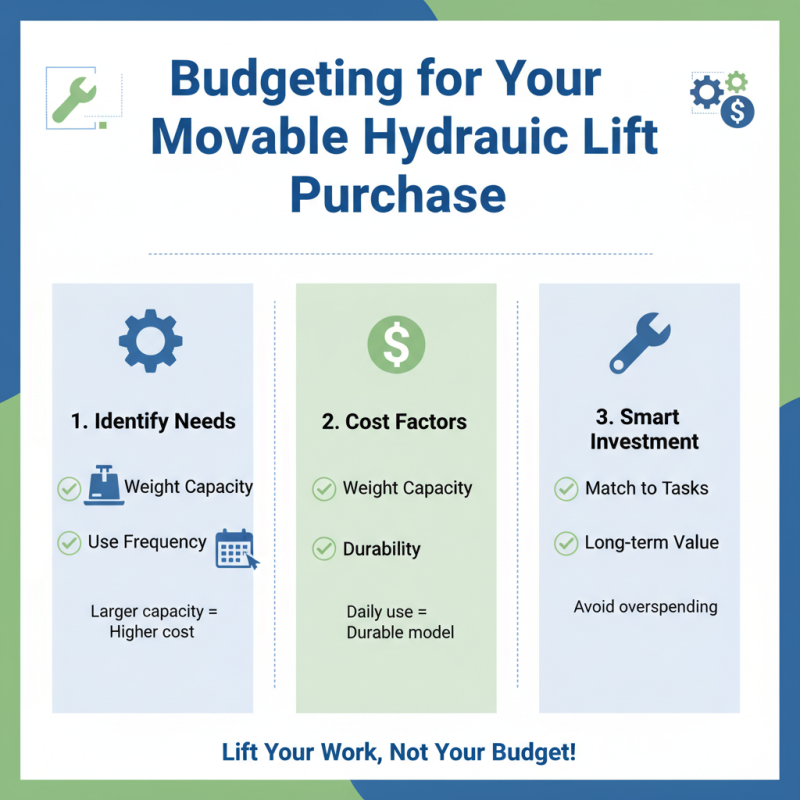
Consider the weight capacity you require. Lifts come in various sizes and capabilities. Some models handle light materials, while others can lift much heavier items. Budget is another important factor. Higher quality often means a higher price, but investing in the right equipment is essential for safety and efficiency.
Safety features should not be overlooked. A reliable hydraulic lift should include safety locks and sturdy construction. Reflect on what tasks you'll perform the most. This will guide your selection process. Ultimately, selecting the right Movable Hydraulic Lift demands research and thoughtful consideration. It's not just about function; it's about creating a safer and more productive work environment.
Factors to Consider When Selecting a Movable Hydraulic Lift
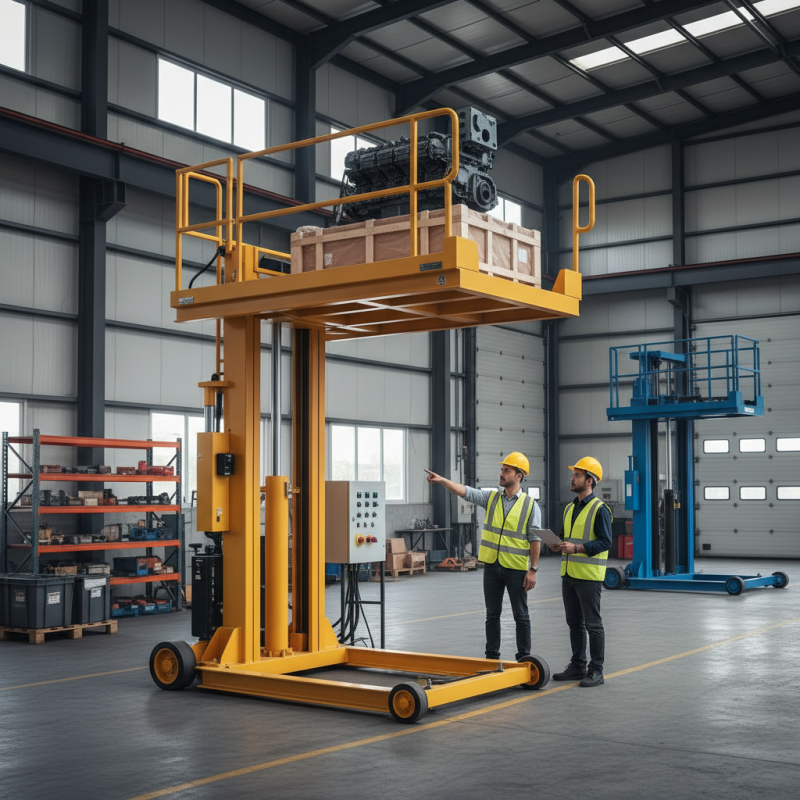
When selecting a movable hydraulic lift, several critical factors must be considered. The lift's weight capacity is paramount. A typical lift can support anywhere from 500 to 5,000 pounds. This range affects not only the type of tasks you can accomplish but also ensures safety for users. Data from industry reports show that improper capacity choices lead to 20% of operational accidents.
Height adjustment is another vital factor. Many lifts offer a range from 30 inches to over 60 inches in height. This flexibility allows you to perform tasks efficiently. However, consider your workspace height limitations. A lift that is too high may cause issues in tight spaces. Inadequate dimensions can affect maneuverability and accessibility.
Durability and material quality should not be overlooked. Stainless steel models are known for their longevity but can be heavier. Aluminum lifts are lighter but may lack the same robustness. A report from the Material Handling Industry indicates that maintenance costs rise with the use of lower-quality materials. Frequent repairs can hinder productivity and lead to increased expenses. Think about the long-term demands of your work when choosing your lift. These reflections can help in making a well-informed decision.
How to Choose the Best Movable Hydraulic Lift for Your Needs?
| Feature |
Description |
Importance Level (1-5) |
| Load Capacity |
Maximum weight the lift can safely handle. |
5 |
| Height Range |
The minimum and maximum height the lift can reach. |
4 |
| Mobility |
Ease of moving the lift to different locations. |
5 |
| Safety Features |
Features that enhance user safety, like brakes and guards. |
5 |
| Ease of Use |
How intuitive it is to operate the lift. |
4 |
| Maintenance Requirements |
How often the lift needs maintenance and its complexity. |
3 |
| Cost |
Total price of the lift and associated costs. |
4 |
| Portability |
Weight and design which affect how easily the lift can be transported. |
4 |
Types of Movable Hydraulic Lifts and Their Applications
Movable hydraulic lifts come in various types, each tailored for specific applications.
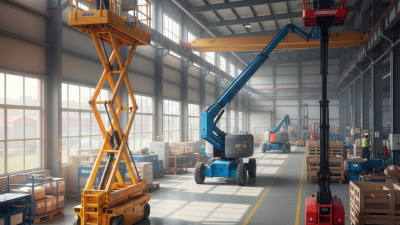
Scissor lifts are versatile and commonly used in construction.
They can extend vertically to reach high areas. This makes them ideal for maintenance tasks and roof repairs.
Another type, aerial lifts, provide more flexibility in movement.
They are perfect for outdoor use, allowing easy access to hard-to-reach places.
Tips:
When choosing a lift, consider the weight capacity needed. Assess the work environment, too.
Make sure the lift can handle uneven surfaces.
Additionally, reach out to professionals for installation guidance. This can prevent safety risks later on.
Forklift lifts are essential for material handling.
They can move heavy items easily. These lifts often extend horizontally, allowing workers to transport goods effectively.
However, they require proper training. Inadequate training can lead to accidents, making it crucial to ensure all operators are certified.
Tips: Regular inspections are key.
Check hydraulic fluid levels and ensure there are no leaks. These practices enhance lift safety and longevity.
Always follow safety protocols to protect workers and equipment.
Evaluating the Weight Capacity of Hydraulic Lifts
When evaluating a movable hydraulic lift, weight capacity is critical. Different lifts support varying loads. Understanding your specific needs can prevent accidents or equipment failure. Consider the heaviest items you will lift and add a safety margin to avoid overloading.
Hydraulic lifts often offer weight ratings that might seem adequate but can quickly become insufficient. Frequent use with heavy loads may weaken the lift over time. Regular maintenance is necessary to ensure safety and longevity. Materials used in the construction affect capacity. Steel may provide more durability compared to lighter materials.
Another important factor is the distribution of the weight. A lift may handle a certain weight, but uneven distribution can lead to instability. Take time to assess the lift's design and structure. Reflect on how it fits within your workspace.
A mismatched lift could disrupt workflow and increase risk. Making an informed choice requires careful consideration of weight capacity and design suitability.
Safety Features to Look for in a Hydraulic Lift
When selecting a movable hydraulic lift, safety features play a crucial role. According to the Occupational Safety and Health Administration (OSHA), approximately 50% of workplace injuries involve lifting equipment. Elevating platforms must be equipped with reliable safety mechanisms. Look for features like overload protection, which prevents excessive weight from being lifted. This can help avoid accidents that may lead to injuries.
Emergency stop buttons are essential as well. These buttons allow operators to quickly halt operations in case of unexpected events. A report published by the National Institute for Occupational Safety and Health (NIOSH) states that 30% of lift-related accidents occur due to equipment malfunction or operator error. Therefore, incorporating a safety system that includes anti-slip surfaces can also minimize fall hazards.
Regular maintenance checks are vital to ensure that safety features function properly. However, many facilities neglect routine inspections. According to recent studies, a significant percentage of incidents arise from poorly maintained lifts. Investing in a lift with robust safety technology can safeguard employees. True, some systems may seem overly cautious, but it's better to have extra safety devices than to risk safety. When evaluating lifts, remember to assess both functionality and the strength of their safety features carefully.