Choosing the right Movable Hydraulic Lift can significantly enhance your operational efficiency. Many industries rely on hydraulic lifts for transporting heavy loads safely. However, selecting one that meets your specific needs is crucial.
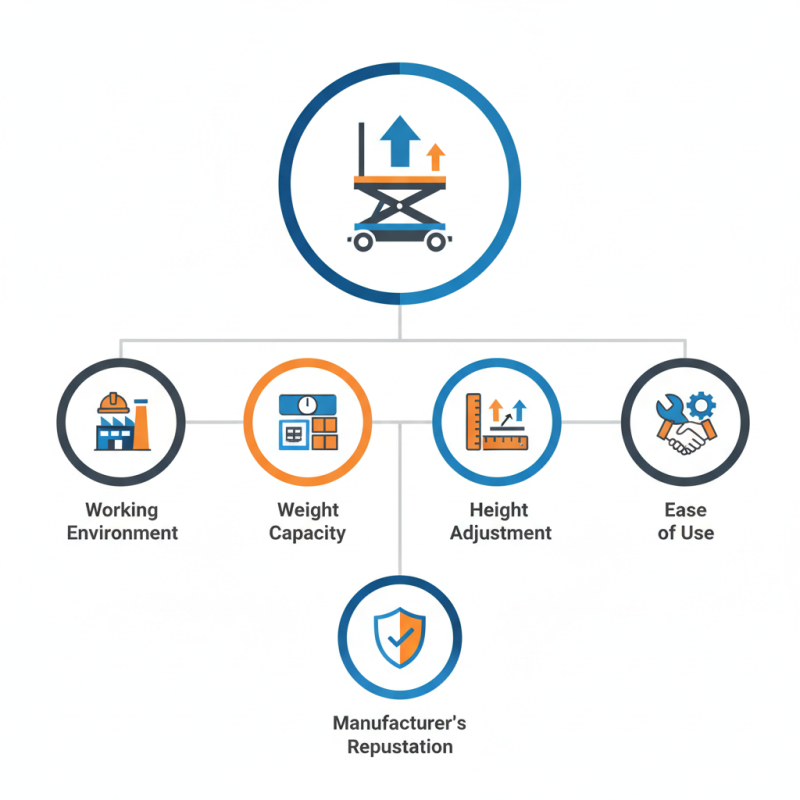
Consider your working environment. Various models serve different purposes, from warehouses to construction sites. Assess the weight capacity you require. Not all lifts handle the same load. Pay attention to height adjustments as well. Some tasks demand a greater lifting range, while others require straightforward functionality.
Another critical factor is ease of use. Determine if you or your team will frequently operate the lift. User-friendly features can save time and reduce accidents. It is also wise to evaluate the manufacturer's reputation. A trusted brand often provides reliable products and support. Reflect on these aspects carefully to make the best choice.
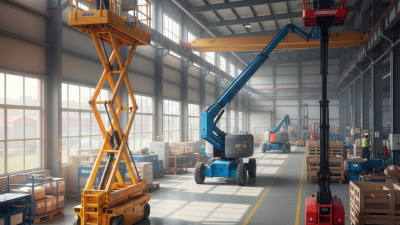
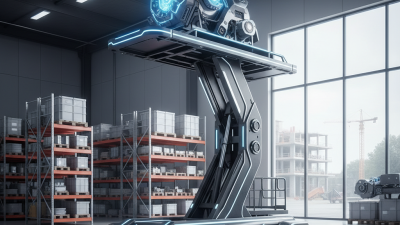
Movable hydraulic lifts are vital tools in various industries. They come in several types, each designed for specific tasks. Some lifts are compact and easy to maneuver. Others can handle heavier loads but may be bulkier. Understanding these types is crucial before making a decision.
The mechanisms behind movable hydraulic lifts are fascinating. They typically use hydraulic fluid to create lift. This fluid moves through cylinders, generating the force needed to elevate loads. Regular maintenance is essential for optimal performance. Dirty hydraulic fluid can impair function or even cause accidents.
Choosing the right lift involves examining your specific needs. Think about the weight to be lifted and the space available. Many users overlook safety features. Always check the lift's weight capacity and any necessary certifications. By doing your research, you can select a reliable and efficient hydraulic lift.
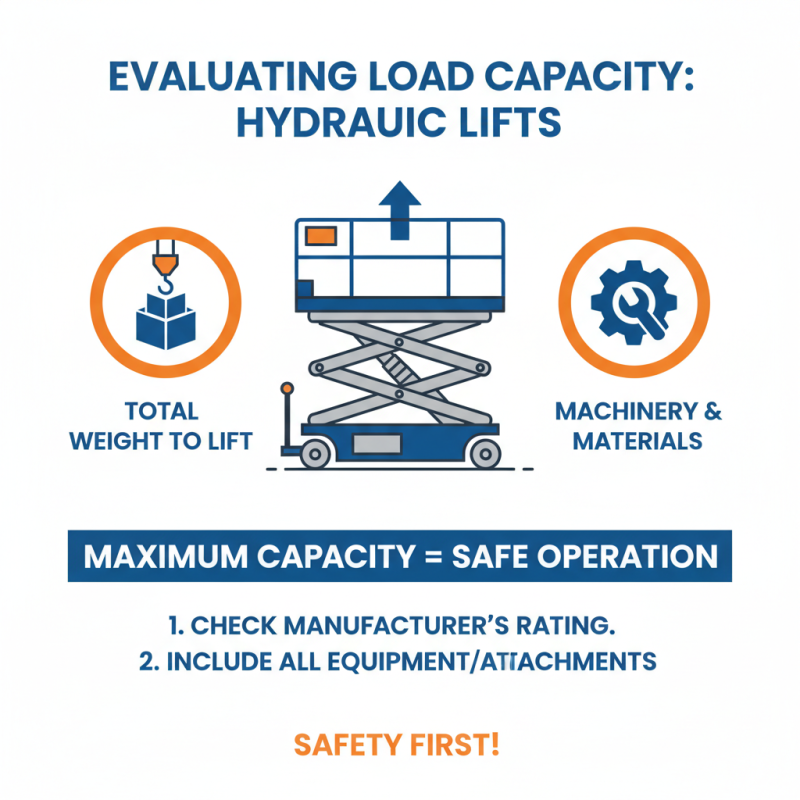
When choosing a movable hydraulic lift, evaluating its load capacity is crucial. The lift's weight limit determines what you can lift safely. A well-rated lift will specify its maximum capacity, ensuring safe operations. This is essential for transporting heavy items like machinery or materials. Always consider the total weight you plan to lift, including any equipment or attachments.
Another aspect is the lift's design. A wider base often offers more stability, which matters when lifting heavy loads. Lifts with a narrow base might struggle under heavy weights and could pose safety risks. It's vital to reflect on how you’ll use the lift. If you frequently move heavy equipment, opt for a lift designed for higher loads. Understand your specific needs, and ensure that the lift matches your environment and tasks.
Moreover, don't ignore the potential for overloading. Many users underestimate the weight of their materials or equipment. This can lead to equipment failure or accidents. Regularly reassess your lifting needs. As your tasks change, so should your choice in equipment. Always aim for reliability, safety, and efficiency in your lifting operations.
Choosing the right lift height is crucial for maximizing the efficiency of any movable hydraulic lift. Assessing your specific application’s requirements will determine the optimal reach. A lift with a height of 10 feet is generally suitable for most warehouse tasks. However, industrial settings may require lifts reaching up to 20 feet.
According to a report by the Material Handling Industry of America, 75% of all workplace injuries arise from improper lifting techniques and equipment. Selecting a lift that accommodates your needs can greatly reduce injury risks. If your tasks frequently require higher access points, investing in a higher reach lift is essential. Conversely, a lift that is too tall for your workspace can hinder maneuverability and efficiency.
It’s essential to consider the overall dimensions of your workspace. A commonly overlooked factor is the lift's weight capacity, which should match your lifting requirements. Many lifts offer a capacity ranging from 500 to 3000 pounds, depending on their design. A mismatch between lift height and capacity may lead to unsafe practices, such as overloading. Always calculate the intended load and height to enhance safety and performance.
This chart compares the lifting capacity of various hydraulic lifts based on their height. As height increases, the capacity may vary due to structural limitations and design specifications.
When selecting a movable hydraulic lift, safety features should be top of mind. Key specifications to consider include load capacity and stability. A lift must hold the intended weight without risk. Excessive load can lead to accidents, so always check the manufacturer's limits.
Next, inspect the design for safety measures. Look for features such as automatic locking mechanisms and emergency stop buttons. These elements enhance safety during operation. Non-slip surfaces are also crucial, as they prevent accidents caused by slips. Regular inspections can help maintain these features in good condition.
Furthermore, consider the lift’s mobility. It should easily navigate your workspace without compromising safety. Lifts that are difficult to maneuver could lead to improper use. Always reflect on how often you will move the lift and the surface conditions in your environment. Each detail matters in ensuring both safety and functionality.
When choosing a movable hydraulic lift, budget considerations are crucial. The initial purchase price can vary greatly. You might think that a lower upfront cost is a great deal. However, hidden expenses can quickly accumulate. Maintenance costs are a significant factor. Regular inspection and servicing are necessary to ensure safety and efficiency.
Keep in mind that repairs may arise unexpectedly. It’s wise to set aside funds for any unforeseen issues. Tips for budgeting include getting quotes from several sources and including all possible fees. Sometimes, the cheapest option can lead to higher long-term costs. Remember, investing in quality often pays off in reliability.
Think about the operating costs too. This includes energy consumption and parts replacement. An energy-efficient model may have a higher initial cost but save money later. Balance your budget with your specific needs. Every decision should align with your operational goals. Striking this balance is essential. Always reflect on these factors before making a commitment.
| Lift Type | Initial Cost ($) | Average Maintenance Cost/year ($) | Max Load Capacity (lbs) | Mobility Features |
|---|---|---|---|---|
| Scissor Lift | 3,500 | 300 | 1,000 | Foldable, Easy to Transport |
| Articulating Boom Lift | 7,000 | 500 | 1,200 | Multi-Directional Reach |
| Telehandler | 6,000 | 450 | 2,000 | Versatile Attachments, Off-Road Capability |
| Portable Aerial Work Platform | 2,400 | 200 | 500 | Compact Size, Lightweight |
| Lifting Table | 1,800 | 150 | 600 | Electric, Fixed Position |