How to Choose the Best Trolley Crane for Your Needs?
Choosing the right trolley crane can be a daunting task. It involves understanding your specific needs and evaluating various options available in the market. John Miller, a well-regarded expert in the crane industry, once stated, “The best trolley crane is the one that fits your unique requirements.” This highlights the importance of personalization in making a selection.
When considering a trolley crane, factors like load capacity, travel distance, and power source are crucial. Each project demands different specifications. For instance, heavy-duty operations require robust equipment, while lighter tasks may not. It's essential to balance quality with budget constraints, which can often lead to hard choices.
Potential buyers must also think about long-term usage. Will the chosen trolley crane meet future demands? Overlooking this could lead to regret. Ensure to consider maintenance and support offered by manufacturers. A reliable brand can make all the difference in your experience, ensuring that your investment is sound and beneficial.
Understanding the Basic Types of Trolley Cranes Available in the Market
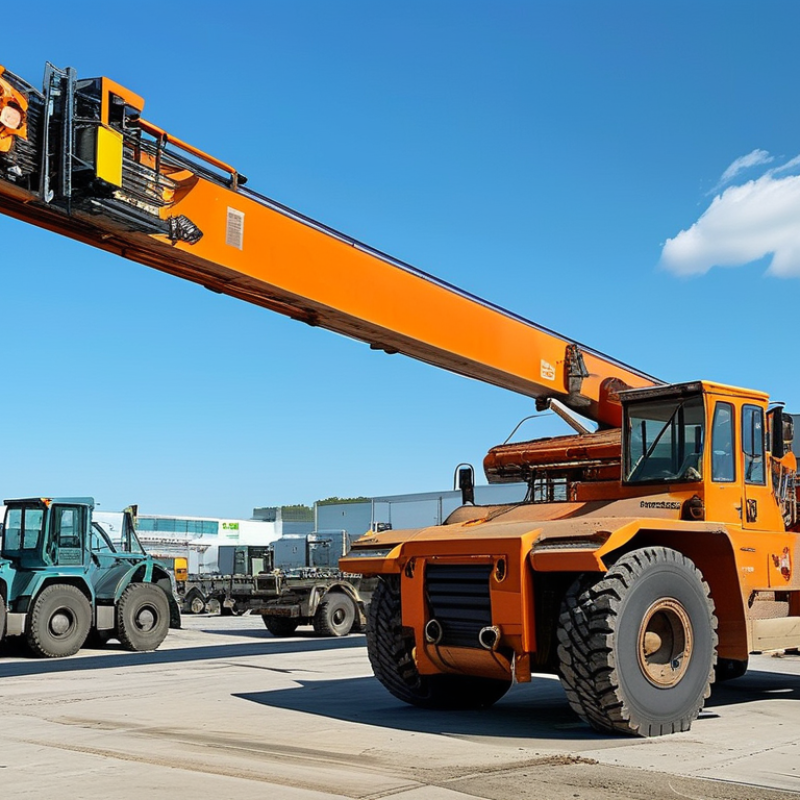
When considering the right trolley crane for your specific needs, it’s essential to understand the basic types available in the market. The three primary types are gantry cranes, overhead cranes, and portable cranes. Each type serves distinct purposes and operational environments. According to industry reports, overhead cranes are preferred in large manufacturing facilities, accounting for over 48% of total crane usage in North America. Their ability to lift heavy loads with precision makes them ideal for such environments.
Gantry cranes, on the other hand, are more versatile and often used for outdoor applications. They can easily move across a large area, handling loads effectively. Reports indicate that their usage has risen by 30% in construction sites due to their adaptability and ease of setup. Portable cranes are compact and designed for smaller tasks, often not exceeding 2 tons in lifting capacity. Their growing popularity is reflected in a 20% market increase over recent years, mainly among DIY enthusiasts and small businesses.
Each type presents unique benefits and shortcomings. Overhead cranes require extensive installation, which can be costly. Gantry cranes, while flexible, may not be suitable for tight spaces. Portable cranes are limited in capacity and may lack stability. Evaluating the specific needs of your operations is crucial to make an informed decision. It’s important to balance your load requirements and the pros and cons of each crane type before investing.
Comparison of Trolley Crane Types
This bar chart compares different types of trolley cranes based on their weight capacity. Electric trolley cranes have a capacity of 10 tons, manual types have 5 tons, pneumatic types can hold up to 8 tons, while hydraulic trolley cranes boast a higher capacity of 15 tons.
Key Factors to Consider When Selecting a Trolley Crane for Your Application
Choosing the right trolley crane requires careful consideration of various factors. Start with assessing the load capacity needed for your specific tasks. Evaluate the weights of the objects you’ll handle. Selecting a crane that can comfortably manage heavier loads can prevent potential accidents. Overestimating your needs is safer than underestimating.
Another key factor is the operating environment. Consider the working space available. If it’s too cramped, a compact model may be necessary. Additionally, think about the power source. Electric cranes are suitable for indoor use, while diesel may suit outdoor tasks. Also, reflect on the maneuverability of the crane. A more mobile crane may enhance productivity but could sacrifice stability.
Don’t forget the ease of maintenance. A crane that requires frequent repairs can quickly become a liability. Look for models that streamline maintenance. Regular checks will extend lifespan and performance. Always consult technical experts or user manuals for insights on the best options for your situation. Making informed decisions can lead to better outcomes but requires a continuous evaluation of your operational needs.
Evaluating Load Capacity and Safety Features of Trolley Cranes
When evaluating trolley cranes, load capacity is a key consideration. It's crucial to assess the maximum weight the crane can lift. Consider your specific needs and the types of loads you'll handle. Trolley cranes vary widely in capacity. Some can lift a few tons, while others can manage loads exceeding fifty tons. Understanding your load requirements ensures you select a model fit for your projects.
Safety features play a significant role in your decision. Check for overload protection systems and emergency stop functions. Look for cranes equipped with reliable braking systems and limit switches. These features help prevent accidents and ensure safe operation. Regular maintenance checks should be factored into your decisions, too. Even a crane with top specs may perform poorly if not well maintained.
The choice of a trolley crane is not just about load capacity. Consider the operational environment and potential hazards. Reflect on the training needed for users. All these elements contribute to successful crane operation. It’s about finding balance, not just specs.
Assessing the Space and Environment Requirements for Trolley Crane Use
When selecting a trolley crane, it's essential to evaluate the workspace and environmental conditions where it will operate. Understanding your environment can significantly impact performance and safety. For instance, the availability of overhead space, floor conditions, and load capacity are crucial factors. Reports indicate that about 30% of workplace injuries in lifting operations stem from inadequate crane clearance. A crane without enough vertical space can lead to accidents and equipment damage.
Consider the weight distribution in your workspace. Uneven surfaces can adversely affect stability and increase the risk of tipping over. Approximately 40% of crane-related incidents occur due to improper load management on uneven terrain. Therefore, assessing the ground's integrity and ensuring it's appropriate for heavy equipment is vital.
Evaluate the surrounding areas too. Obstacles such as beams, ducts, or power lines can hinder crane movement. Ensure safe distance protocols are followed. Regular inspections and maintenance of the crane environment are necessary, as neglected spaces can lead to deterioration and compromise functionality.
Reflect on future needs as well. A growing business might require a crane capable of handling heavier loads or larger spans. Making an informed choice can lead to efficient operations and enhanced safety. Always review site requirements prior to making a final decision.
Maintenance and Durability Considerations for Long-Term Trolley Crane Use
When selecting a trolley crane, maintenance and durability are critical factors. Regular inspections and proper upkeep can extend the lifespan of the crane. Often, users overlook small wear and tear signs, which can lead to bigger issues later on. Establishing a routine maintenance schedule can help catch these early warnings.
Conducting daily checks on cables and hoists ensures safe operations. Look for frayed wires or connections that may need replacement. Scheduling professional servicing periodically can also give you peace of mind. A capable technician can identify potential risks that users may not recognize.
Durability is not just about materials. It’s also about the crane's design and how it fits your specific tasks. Trolley cranes should operate smoothly under your typical loads. Consider if the components can handle the frequency of use. Relying solely on the manufacturer's claims can be risky. Evaluate real-world performance reviews and user feedback instead. Make sure you are well-informed before making a decision. Ultimately, a focus on maintenance and realistic expectations can enhance operational efficiency.