How to Choose the Right Industrial Hydraulic Lift for Your Business?
Choosing the right Industrial Hydraulic Lift is crucial for your business operations. The global hydraulic lift market is projected to reach $3.38 billion by 2026, according to a recent report by MarketsandMarkets. This growth indicates the increasing reliance on hydraulic lifts across various industries. Selecting the appropriate lift can enhance productivity and safety.
When considering an Industrial Hydraulic Lift, think about the specific needs of your business. Factors like load capacity, lift height, and workspace dimensions play significant roles. A lift that is too small or inefficient can lead to delays and safety hazards. Proper selection minimizes risks and enhances workflow efficiency.
Many businesses overlook the importance of maintenance and training. Regular service is necessary to ensure safe operation and longevity of your equipment. Inadequate training can lead to catastrophic accidents. It’s essential to invest time in evaluating your options thoroughly.
Assessing Your Business Needs for a Hydraulic Lift
When assessing your business needs for a hydraulic lift, consider factors like load capacity and application. According to industry reports, 60% of businesses underestimate the importance of choosing the correct lift. This can lead to inefficiencies and increased costs. Lifts are critical in warehouses, factories, and construction sites.
Evaluate your specific requirements. How heavy are your loads? A standard lift may not suffice in all cases. For instance, a construction site may need a lift that supports 5,000 pounds, while a small warehouse may only need one for 2,000 pounds. Organizations often make mistakes by prioritizing price over capacity and durability, resulting in unexpected expenses.
Don't forget about space and height requirements too. Many companies fail to account for the physical space the lift will take up. A compact design may seem appealing, but if it can't reach the necessary height, it won't serve its intended purpose. Industry analysis indicates that up to 30% of businesses face operational delays due to inadequate equipment. This reflects the need for careful planning and assessment.
Understanding Different Types of Hydraulic Lifts Available
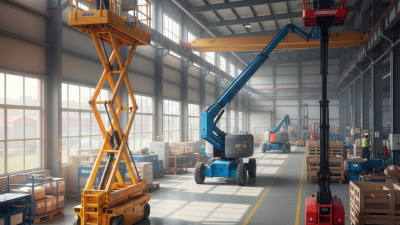
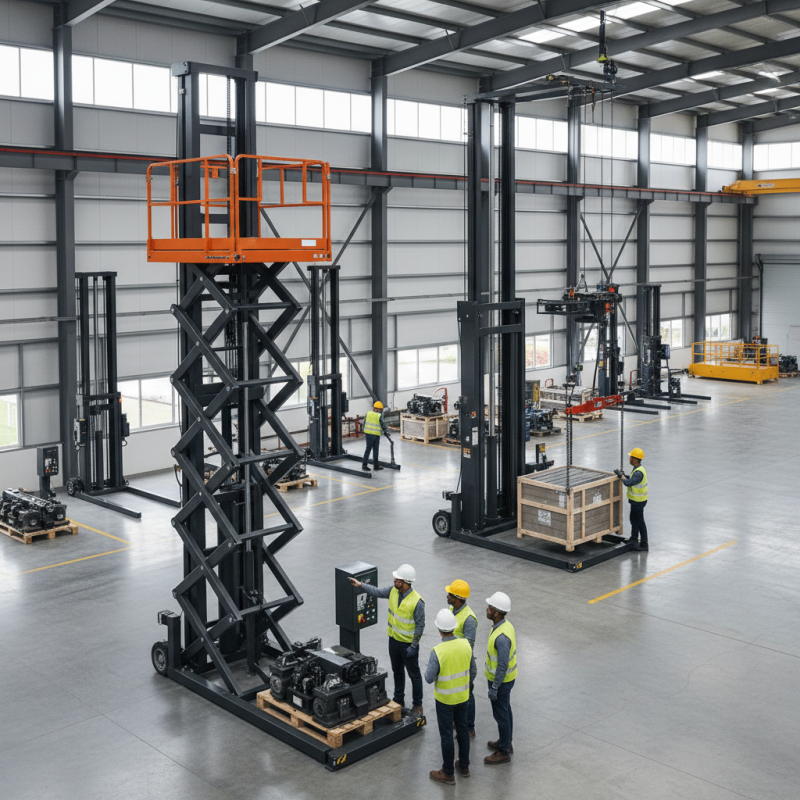
When choosing an industrial hydraulic lift, understanding the types available is crucial. There are several types to consider. Some common types include scissor lifts, boom lifts, and vertical mast lifts. Each type has unique features suited for different tasks. For instance, scissor lifts are ideal for horizontal work, while boom lifts excel in reaching high places.
According to industry reports, approximately 70% of businesses benefit from using hydraulic lifts for material handling. They enhance efficiency and safety. Scissor lifts can raise loads up to 60 feet. Boom lifts, on the other hand, offer versatility with articulating arms to reach inaccessible areas. However, these lifts require enough space for operation, often a challenge in crowded environments.
Choosing the right lift means balancing capacity and space. Industry data shows that improper selection can lead to increased downtime and operational costs. In manufacturing, optimal lift performance can decrease labor costs by 20% to 30%. Yet, the wrong choice can result in injuries or equipment damage. Reflecting on these factors helps ensure a better fit for your specific needs.
How to Choose the Right Industrial Hydraulic Lift for Your Business? - Understanding Different Types of Hydraulic Lifts Available
| Lift Type |
Max Load Capacity |
Lift Height |
Power Source |
Best Use Cases |
| Scissor Lift |
1000 - 6000 lbs |
10 - 50 ft |
Electric/Diesel |
Construction, Warehousing |
| Forklift |
3000 - 12000 lbs |
Varies |
Electric/LPG/Diesel |
Material Handling, Shipping |
| Platform Lift |
500 - 2000 lbs |
3 - 12 ft |
Electric |
Retail, Workshops |
| Pallet Jack |
2000 - 4000 lbs |
Varies (low elevation) |
Electric/Manual |
Warehousing, Small Operations |
| Articulating Lift |
1000 - 5000 lbs |
20 - 50 ft |
Electric/Diesel |
Maintenance, Outdoor Tasks |
Evaluating Weight Capacity and Lift Height Requirements
When selecting an industrial hydraulic lift, evaluating weight capacity and lift height is crucial. For instance, a survey by the Material Handling Industry (MHI) indicates that 60% of lifting accidents are linked to capacity issues. Therefore, understanding your load requirements is vital. A platform designed for 2,000 pounds won't serve a requirement for 5,000 pounds. This discrepancy can lead to serious safety hazards.
Lift height is equally important. Most operations require lifts ranging from 8 to 16 feet. However, some industries, like warehousing, may need heights beyond 20 feet. According to industry standards, as per OSHA regulations, lifting devices must meet specific height capabilities to ensure safe operations. A lift that doesn’t reach the required height may force workers to use unsafe ladders or platforms.
Choosing between these specifications can be challenging. Many employers underestimate their needs. They may prioritize one feature over another. This oversight can lead to increased costs, accidents, and inefficiencies. Assessing both weight and height requirements helps avoid these pitfalls and results in a safer work environment.
Considering Safety Features and Compliance Standards
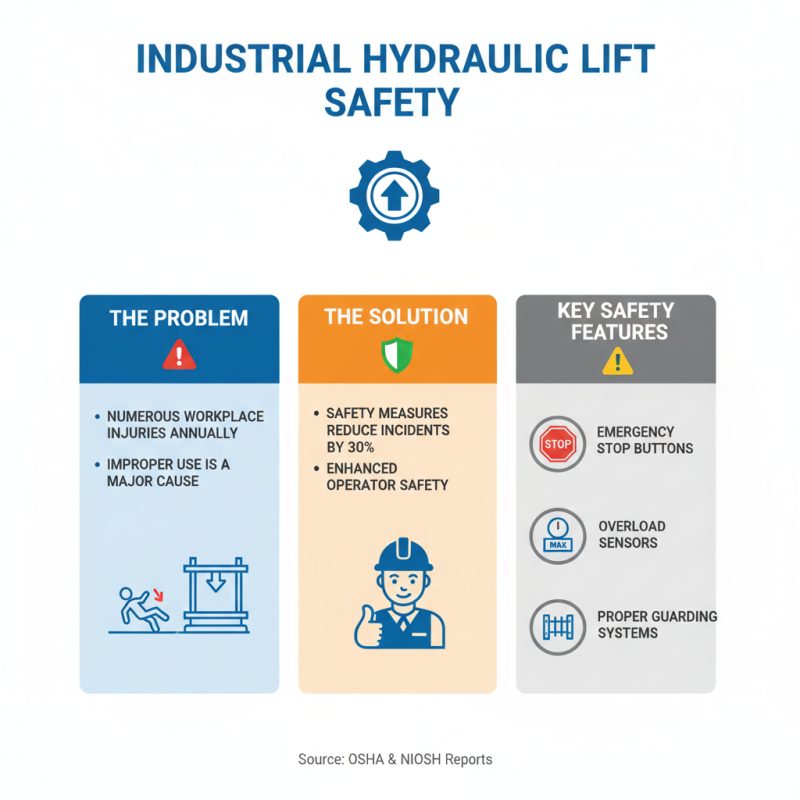
When choosing an industrial hydraulic lift, safety features are paramount. According to the Occupational Safety and Health Administration (OSHA), improper use of hydraulic lifts accounts for numerous workplace injuries annually. A report from the National Institute for Occupational Safety and Health (NIOSH) states that safety measures can reduce these incidents by 30%. It is crucial to select lifts with features like emergency stop buttons, overload sensors, and proper guarding systems. These elements enhance operator safety and can prevent accidents.
Compliance with safety standards such as ANSI/ASME B30.1 is essential. This ensures lifts have been evaluated for safety and performance. It’s important to regularly review these standards, as regulations may change frequently. Many companies overlook the need for regular maintenance or updates to their equipment, which can lead to compliance issues. The American Society of Mechanical Engineers (ASME) also emphasizes the importance of training operators on safety protocols. A lack of training can result in significant risks.
Consideration should be given to the environment where the lift will operate. Indoor lifts may require different safety features compared to outdoor models. Dust and moisture can affect the lift's performance and safety features. Regular inspections are often missed, leading to potential failures. Ultimately, understanding and implementing the right safety features can significantly enhance the operational safety of your hydraulic lift.
Budgeting for Purchase and Maintenance Costs of Hydraulic Lifts
When budgeting for hydraulic lifts, understanding purchase and maintenance costs is crucial. The initial expense of a hydraulic lift can be significant. Prices vary depending on the lift's capacity, type, and features. Smaller lifts may cost less, but they might not meet your future needs. Often, businesses underestimate costs after the initial purchase.
Maintenance is another vital consideration. Regular servicing is necessary to keep lifts in working order. Repairs can be costly if you neglect this. Setting aside a portion of your budget for unexpected repairs is wise. Scheduled maintenance might seem like an added cost. However, it often prevents larger expenses down the line.
Consider usage patterns when budgeting. If your lift will see heavy use, factor in the increased wear and tear. In this case, you might need to invest in higher-quality components. Reflecting on how frequently the lift will be used and how it fits into your operations is essential. Businesses sometimes overlook these details, leading to unexpected financial burdens.