Inquiry
Form loading...

10 Effective Tips for Using a Manual Chain Hoist Safely and Efficiently

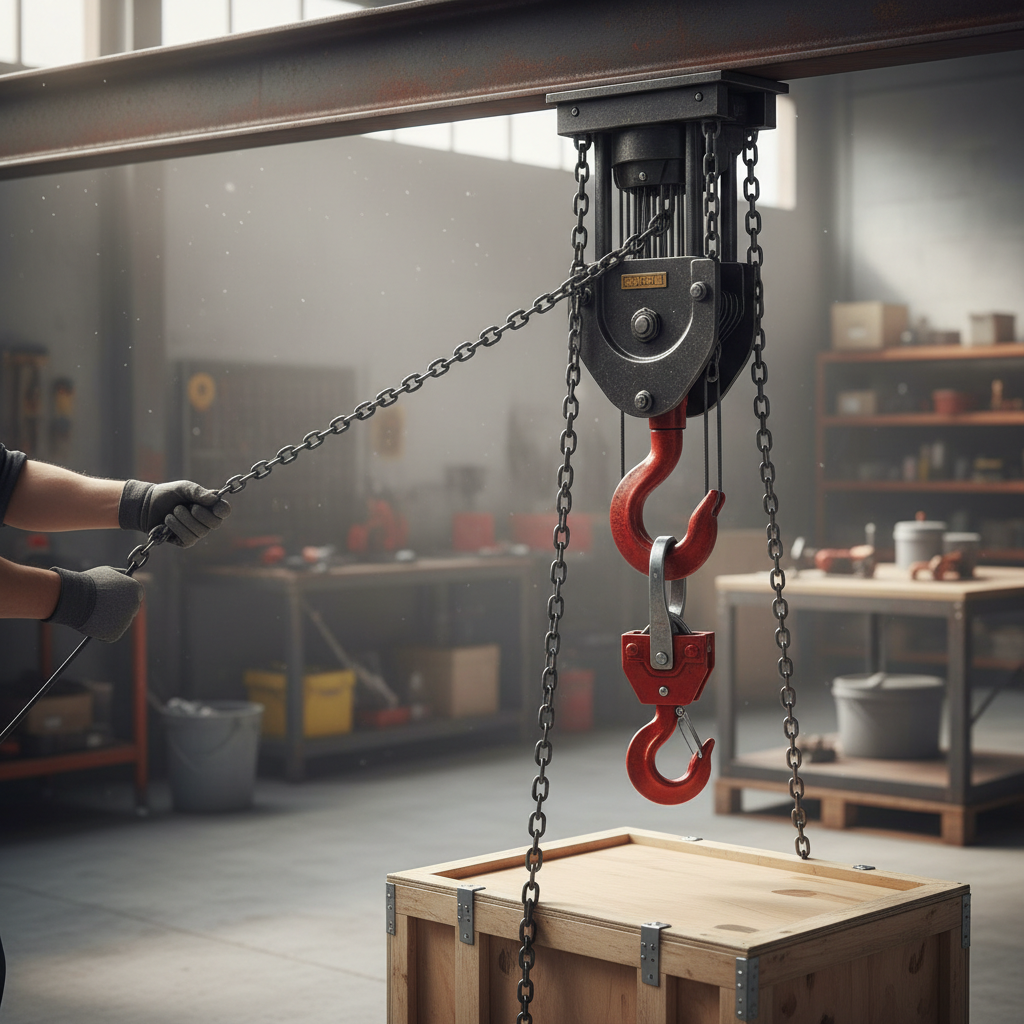
In the fast-paced world of heavy lifting, ensuring the safe and efficient use of a Manual Chain Hoist is paramount. Industry reports indicate that approximately 30% of workplace injuries are associated with improper lifting techniques and equipment misuse, underscoring the necessity for proper training and adherence to safety protocols. Manual chain hoists are widely recognized for their reliability and affordability, but the lack of awareness regarding their safe operation can lead to severe accidents.

As John A. Smith, a leading expert in lifting equipment safety, aptly states, "The importance of understanding and following the guidelines for using a Manual Chain Hoist cannot be overstated; one small oversight can result in substantial harm." With the right knowledge and practices, such as regular inspections and operator training, the efficiency of the Manual Chain Hoist can be maximized while minimizing risks. This article presents ten effective tips aimed at enhancing the safety and efficiency of manual chain hoist operations, promoting a culture of safety in the workplace.
10 Effective Tips for Using a Manual Chain Hoist Safely and Efficiently

Understanding Working Load Limits (WLL) for Manual Chain Hoists: A Critical Factor

Understanding Working Load Limits (WLL) is crucial for ensuring the safety and efficiency of manual chain hoists. The WLL represents the maximum load that a hoist can lift without the risk of failure or accidents. This limit is typically indicated by the manufacturer and takes into consideration factors such as the hoist’s design and material integrity.

Failure to adhere to these limits not only jeopardizes their effectiveness but also poses significant safety risks to personnel and equipment.

When using a manual chain hoist, it is essential to regularly check the WLL label and understand how it relates to the specific loads being handled. Overloading a hoist can lead to mechanical breakdowns or even catastrophic failures. Operators should also consider the dynamic loading effects that can occur during lifting, which may temporarily increase the effective load.

By maintaining strict adherence to the WLL, users can enhance operational safety and prolong the life of the hoist, ultimately leading to more efficient lifting solutions in various applications.
Proper Inspection Techniques: Ensuring Safety Before Each Use of Chain Hoists

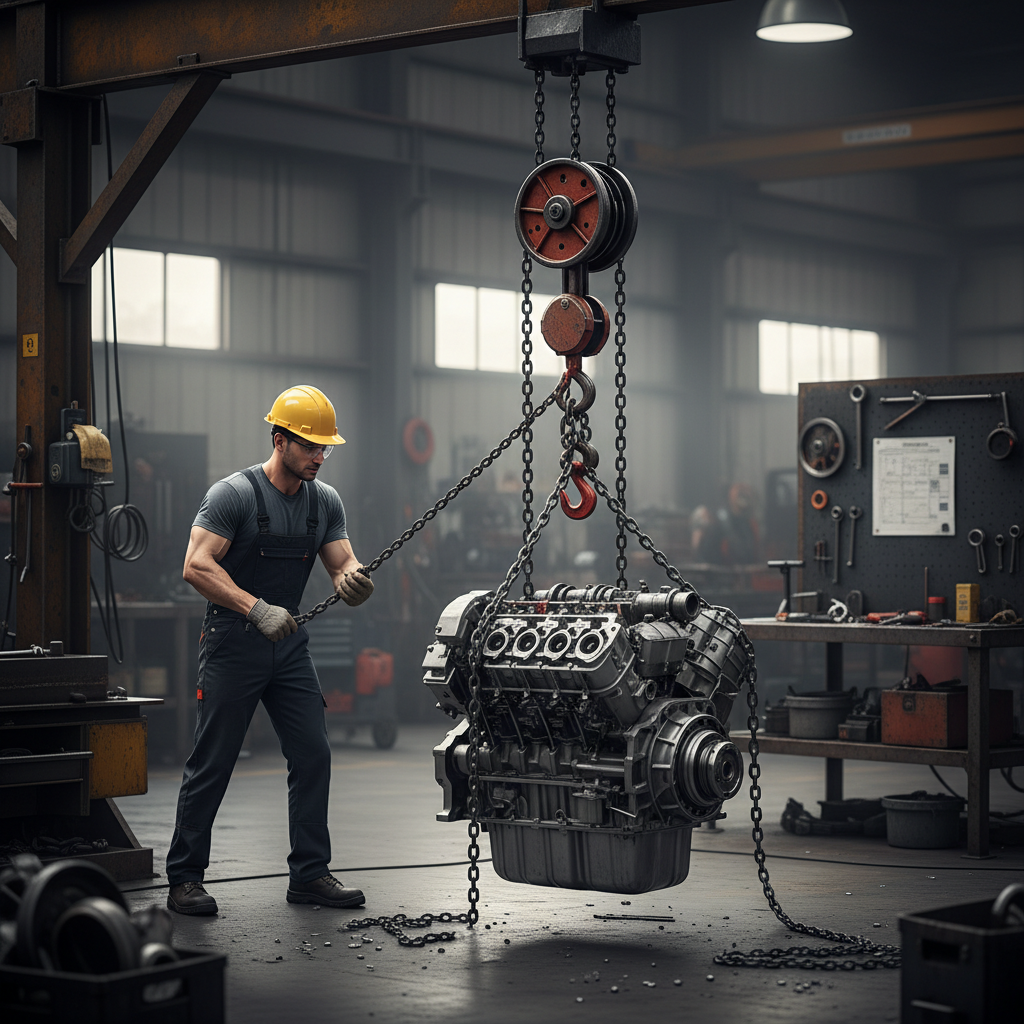
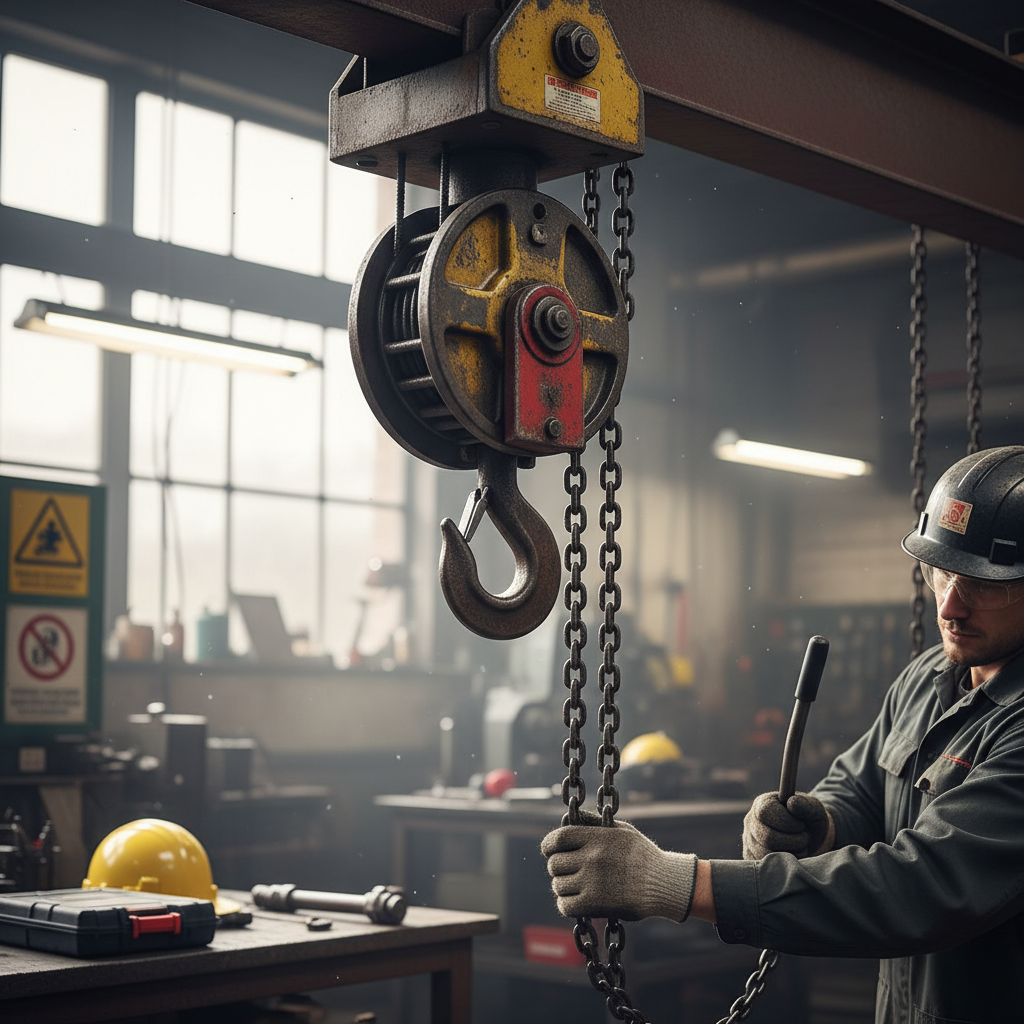
When using a manual chain hoist, one of the most crucial aspects of ensuring safety is conducting proper inspection techniques before each use. Regular inspection is vital to identifying any wear and tear or potential issues that could compromise the hoist's integrity during operation. This includes checking the hoist's chains for frays, the hooks for bending or cracking, and ensuring that the locking mechanisms function correctly. Operators should also inspect the surrounding area for overhead hazards that could cause accidents. By ensuring that the chain hoist is in optimal condition, users can significantly reduce the risk of injuries, accidents, or equipment failure.

In addition to thorough inspections, operators should familiarize themselves with the specific operating instructions provided by the manufacturer. This knowledge, coupled with periodic training on safe operating practices, can greatly enhance the efficiency and safety of using manual chain hoists. It is also advisable to engage in regular maintenance to address any identified issues promptly. By prioritizing proper inspection and maintenance techniques, operators can ensure that they are working efficiently while safeguarding themselves and their coworkers from potential risks associated with manual lifting operations.

10 Effective Tips for Using a Manual Chain Hoist Safely and Efficiently

Ergonomic Practices for Efficient Operation: Reducing Worker Fatigue and Injury Risk

When operating a manual chain hoist, ensuring ergonomic practices is essential for reducing worker fatigue and minimizing injury risk. According to the U.S. Occupational Safety and Health Administration (OSHA), overexertion and repetitive motion are among the leading causes of workplace injuries, accounting for 33% of all worker injuries in various sectors. By implementing ergonomic techniques, such as proper lifting postures and regular breaks, operators can significantly mitigate these risks. Studies suggest that workers who utilize ergonomic tools and practices report a 20% reduction in musculoskeletal disorders, emphasizing the importance of a thoughtful approach to manual handling.

Additionally, the National Institute for Occupational Safety and Health (NIOSH) recommends regular training on the correct use of manual chain hoists to enhance skills and awareness. Proper training not only improves efficiency but also fosters a safer working environment. By teaching workers to maintain a neutral body position while operating the hoist, and to engage their legs rather than their backs when lifting, companies can create a culture of safety that ultimately leads to higher productivity and lower injury rates. Prioritizing ergonomic practices in the operation of chain hoists is not merely a compliance issue; it is an investment in the health and longevity of the workforce.

10 Effective Tips for Using a Manual Chain Hoist Safely and Efficiently

Tip Description Benefits Frequency
Inspect Equipment Regularly check for any signs of wear or damage. Prevents accidents and breakdowns. Daily
Train Operators Ensure all users are certified and understand the operation. Enhances safety and efficiency. Before use
Use Proper Hand Positioning Keep hands clear of pinch points and in a safe position. Reduces risk of injury. Always
Maintain Load Stability Ensure loads are balanced and secure. Prevents tipping and loss of load. Always
Plan Lifting Procedures Assess the lifting task before starting. Improves efficiency and safety. Before each lift
Use Personal Protective Equipment (PPE) Wear appropriate safety gear such as gloves and helmets. Enhances personal safety. Always
Regular Breaks Take breaks to prevent fatigue. Reduces risk of accidents related to fatigue. Hourly
Use Proper Posture Maintain good posture when operating the hoist. Minimizes strain and injury. Always
Communicate Clearly Use signals or radios to communicate with team members. Enhances teamwork and safety. Always
Follow Manufacturer's Guidelines Adhere to the specific guidelines provided by the manufacturer. Ensures optimal and safe operation. Always

Utilizing the Right Chain Hoist Type for Specific Lifting Needs: Enhancing Performance and Safety

When it comes to lifting heavy loads, selecting the appropriate manual chain hoist type is crucial for both performance and safety. Different hoists are designed for specific applications, meaning that understanding your lifting needs is essential in making the right choice. For instance, if you're handling loads in tight spaces, a compact model with a low headroom can significantly enhance maneuverability and safety.

Moreover, considering the load capacity and the environment where the hoist will be used can further optimize its effectiveness. Stronger hoists are better suited for heavy-duty applications, while lighter models are ideal for routine tasks. Additionally, materials used in the construction of the chain hoist, such as corrosion-resistant components for outdoor use, can prolong the tool's lifespan and ensure reliability. By matching the right hoist with your specific lifting requirements, not only do you improve operational efficiency, but you also enhance safety for everyone involved in the lifting process.

Training and Certification: Key Components for Reducing Accidents in Manual Hoist Operations

Training and certification are crucial in minimizing accidents when operating manual chain hoists. A report from the Occupational Safety and Health Administration (OSHA) indicates that proper training can reduce workplace accidents by up to 29%. When operators are well-versed in the specific mechanics and safety protocols associated with manual hoists, they are more likely to recognize potential hazards and avoid unsafe practices. Moreover, organizations that invest in certification programs not only comply with safety regulations but also foster a culture of safety among employees.

10 Effective Tips for Using a Manual Chain Hoist Safely and Efficiently

To enhance safety and efficiency, operators should always undergo thorough training that covers the fundamental aspects of safe hoist operation. For instance, one effective tip is to understand the hoist’s weight capacity and ensure that loads do not exceed it. Doing so can prevent equipment failure and potential injuries. Additionally, regular maintenance and inspections are essential; operators should visually inspect the hoist before each use and report any signs of wear or damage. Following these guidelines, along with proper training, will significantly reduce risks associated with manual chain hoists.