Choosing the right Monorail Trolley Hoist can greatly impact efficiency and safety in any workspace. Industry expert John Carter states, “The right hoist can transform your operational capabilities.” His insight underscores the importance of making an informed decision.
When selecting a Monorail Trolley Hoist, consider the weight capacity, operation ease, and compatibility with existing systems. It's crucial to match the hoist with the specific needs of your applications. Failing to do so can lead to inefficiencies and safety hazards.
Take time to evaluate your options carefully. Some hoists may seem appealing based on price or brand. However, long-term performance matters more. A well-chosen Monorail Trolley Hoist ensures durability and reliability. Reflect on these aspects to empower your decision-making process.
When selecting a monorail trolley hoist, understanding the types and specifications is crucial. Monorail hoists come in various configurations, including manual and electric. For instance, electric hoists often provide higher lifting capacities and efficiencies, making them suitable for heavy industrial applications. In fact, according to industry reports, electric hoists can lift loads ranging from 500 to 5,000 pounds, depending on the model and design.
Choosing the right hoist involves evaluating factors like lifting speed, load capacity, and safety features. Consider the environment where the hoist will be used. If the workspace has limited headroom, a low-profile hoist might be necessary. Examine technical specifications thoroughly; certain models offer benefits like reduced noise and energy-efficient motors.
Tip: Always check for compliance with safety standards. A hoist that meets industry regulations ensures better safety for operators and surrounding workers. Understand the specific needs of your operation. An inappropriate choice may lead to productivity loss or even accidents. Learning and adapting to the nuances of your selection process can substantially enhance outcome reliability. It's always worthwhile to reassess your requirements as business needs evolve.
| Tip | Description | Considerations | Specifications |
|---|---|---|---|
| 1. Determine Load Capacity | Assess the maximum load that the hoist will need to lift. | Choose a hoist that exceeds your required capacity for safety. | Load capacity can range from 1 ton to over 20 tons. |
| 2. Evaluate Hoist Type | Select between electric, pneumatic, or manual hoists based on your application. | Consider ease of use and power source availability. | Electric hoists are generally more efficient but require power. |
| 3. Review Lift Speed | Check the speed at which the hoist can lift objects. | Higher speeds can increase productivity but may require more careful handling. | Lift speeds typically range from 10 to 30 meters per minute. |
| 4. Consider Duty Cycle | Understand how often the hoist will be used and its operational load. | A higher duty cycle means the hoist can be used more frequently without overheating. | Typical classes include moderate, heavy, and continuous duty. |
| 5. Inspect Safety Features | Look for features like overload protection and emergency stop buttons. | Safety should be a priority in any lifting equipment. | Common safety features include limit switches and emergency brakes. |
| 6. Assess Environmental Conditions | Consider the operating environment, whether indoors or outdoors. | Corrosive environments may necessitate special materials. | Look for hoists rated for outdoor use or with protective coatings. |
| 7. Check for Maintenance Requirements | Understand how much maintenance is required for optimal performance. | Regular maintenance can extend the life of the hoist. | Refer to the manufacturer’s guidelines for maintenance intervals. |
| 8. Look at Drive Mechanism | Choose between chain drive, wire rope, or belt drive systems. | Different mechanisms offer varying levels of durability and efficiency. | Chain drives are popular for their strength; belt drives for quiet operation. |
| 9. Verify Size and Weight | Ensure the hoist dimensions fit within your working space. | Consider ceiling height and available clearance. | Sizes vary based on load capacity and type. |
| 10. Compare Costs | Evaluate pricing against features, durability, and warranty. | Higher initial costs may result in savings due to durability. | Ensure you understand total cost of ownership, including maintenance. |
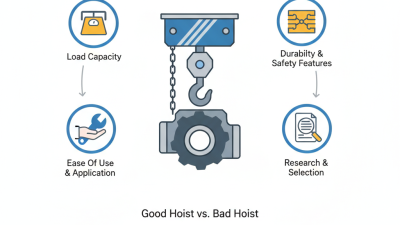
Choosing the right monorail trolley hoist involves careful consideration of load capacity and safety features. Load capacity is critical; it defines how much weight the hoist can lift. Always check the manufacturer’s specifications. Underestimating this can lead to accidents. Overloading can damage equipment and cause injury.
When evaluating safety features, look for emergency stop functions and overload protection. These features can prevent accidents during operation. A hoist with high-quality safety standards can save lives. Consider the materials used in the hoist's construction. Strong, durable materials ensure reliability over time.
Additionally, inspect the hoist’s design. A good design will allow easy operation and visibility during lifting. Ergonomic controls can reduce operator fatigue. Regular maintenance is essential. Even the best hoists require upkeep to ensure they function correctly. Inadequate care can lead to unexpected failures. Determining the right hoist may take time, but it’s worth the effort for safety and efficiency.
When selecting a monorail trolley hoist, it’s crucial to assess the power source and operation mechanisms. A reliable power source determines the efficiency and safety of your lifting operations. Electric hoists offer convenience and consistent power. They are great for various environments. However, they require access to electricity, which might not always be available. Consider battery-operated options if mobility is paramount. Their portability can significantly enhance operations in remote areas.
Operation mechanisms are equally vital. Look for hoists with smooth gear systems that minimize friction and wear. This ensures the durability of the equipment over time. Yet, sometimes, mechanisms can become complex, leading to potential difficulties in maintenance. Simpler designs may lack some advanced features but are often easier to repair. It’s important to weigh the benefits of sophistication against ease of use and maintenance.
Don’t overlook the training required for operators. Even the best-designed hoists can cause accidents if not handled properly. Investing in operator training can mitigate risks. Evaluate your team’s expertise when choosing a hoist. Finding the perfect balance between power source, mechanism complexity, and operator skill can be challenging. Always be prepared to reassess your choice as your operational needs evolve.
This chart shows the efficiency ratings of different power sources used in monorail trolley hoists. Understanding these ratings can help you make a more informed decision when selecting a hoist that meets your operational needs.
When choosing the right monorail trolley hoist, installation requirements and space constraints are crucial factors. A clear understanding of your workspace can guide you in selecting an appropriate hoist. Measure your ceiling height and width carefully. This will ensure that the hoist fits without obstructing other equipment. It’s essential to consider the pathway of the trolley. A tight space can limit accessibility. Assessing your area before making a decision can save time and minimize headaches.
Another aspect to keep in mind is load capacity. Ensure that the hoist can handle the weight of your materials. Too much weight can strain the hoist and lead to dangerous situations. You should also think about future needs. Your requirements might change over time. Opting for versatile models can be a wise decision. However, it’s easy to overlook these factors when focused on immediate tasks. Balancing current requirements with long-term needs might require thoughtful reflection. Achieving this balance can enhance efficiency and safety.
When selecting a monorail trolley hoist, understanding the manufacturer’s reputation is crucial. Reliable manufacturers often have a track record of producing durable, safe, and efficient hoisting equipment. According to industry surveys, over 70% of buyers prioritize manufacturer reputation when making purchasing decisions. This reflects a clear trend: trust drives sales. A company’s history, customer feedback, and long-term operations contribute significantly to this trust.
Warranty options act as a safety net for your investment. A robust warranty typically indicates a manufacturer's confidence in their product. Data from industry reports show that hoists with long warranty periods often outperform their counterparts in durability and reliability. However, remember that not all warranties are created equal. Some may exclude essential components or have limitations that could leave you vulnerable. Assessing the fine print is essential, as you don’t want to discover exclusions during a crucial repair.
Reputation and warranty options are intertwined. Companies with stronger reputations generally offer better warranty terms. Peer reviews from various industries suggest that buyers feel more secure when manufacturers are transparent about both their product quality and coverage. Balancing these elements can help you make an informed decision when purchasing a monorail trolley hoist.