2026 How to Choose the Best Forklift Hydraulic Scale?
Choosing the right Forklift Hydraulic Scale is crucial for efficient warehouse operations. This device not only improves accuracy but also enhances productivity. A reliable scale can optimize your load management, reduce errors, and minimize downtime.
When selecting a Forklift Hydraulic Scale, consider specific features. Pay attention to weight capacity, durability, and ease of use. Brands differ significantly in quality and reliability. Researching customer reviews can provide insights into performance and lifespan.
It's important to avoid making hasty decisions. Evaluate whether the scale meets your unique needs. Assessing the balance between cost and functionality is vital. Ultimately, the right choice can lead to significant long-term savings. A thoughtful selection process is key to avoiding issues later.
Understanding Forklift Hydraulic Scales and Their Applications
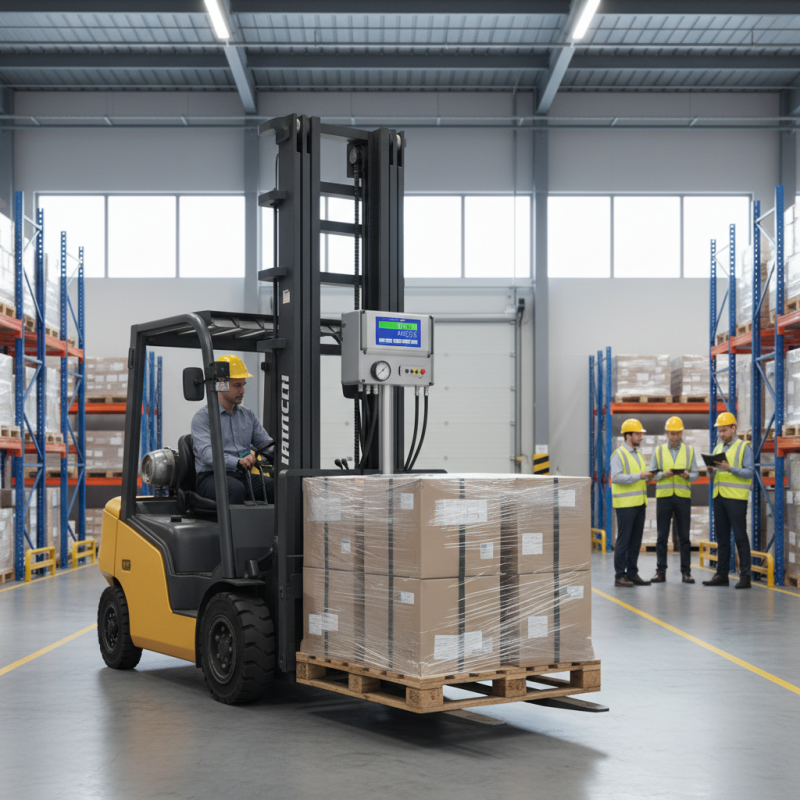
Forklift hydraulic scales are essential tools in various industries. They provide accurate weight measurements directly on the forklift. This convenience eliminates the need for separate weighing stations. Knowing the weight of loads can enhance safety and efficiency.
Understanding how these scales work is vital. They typically feature a hydraulic system that measures the pressure applied when lifting a load. This pressure correlates to weight, giving real-time data. However, accuracy can vary based on calibration and maintenance. Regular checks are necessary to ensure reliable readings.
Applications of forklift hydraulic scales range from warehouses to construction sites. They help in inventory management by tracking material weight. Yet, not all scales are suitable for every environment. It’s crucial to match the scale with specific needs. Reflecting on these factors will lead to better decision-making when selecting the right hydraulic scale.
2026 Forklift Hydraulic Scale Load Capacity Comparison
Key Features to Consider When Selecting a Hydraulic Scale
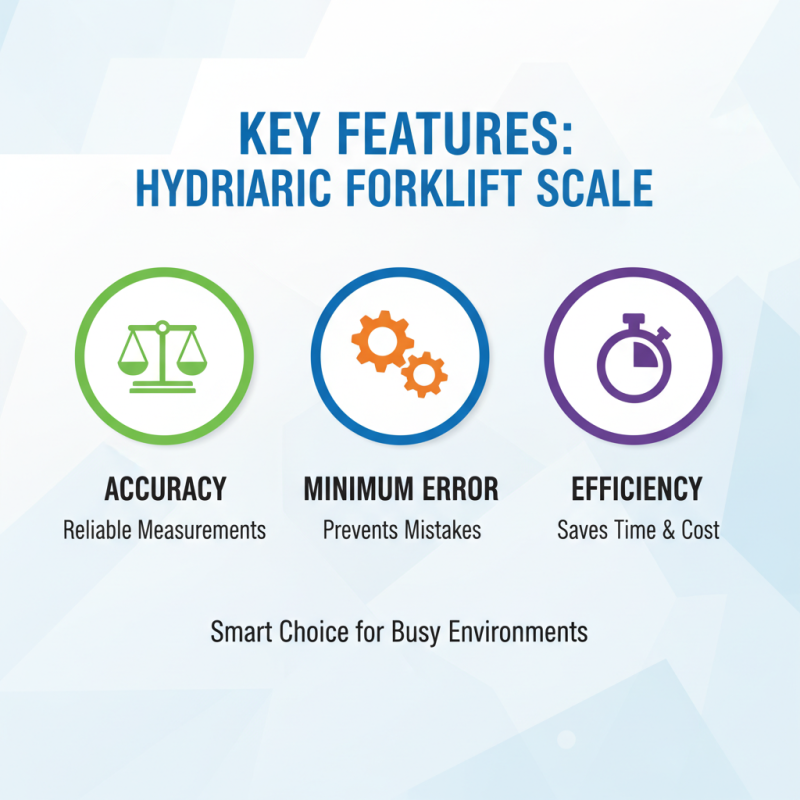
When selecting a forklift hydraulic scale, consider its accuracy. A precise scale ensures reliable weight measurements. In busy environments, high accuracy can prevent costly mistakes. Look for models with a minimum error margin.
Durability is another essential feature. A hydraulic scale must withstand daily wear and tear. Robust materials protect against harsh working conditions. Ensure that the scale has a sturdy frame. This addition extends its lifespan and boosts reliability.
User-friendliness also matters. A complicated interface can slow down operations. Choose a scale with simple controls and clear displays. This design helps operators work efficiently. Reflect on the ease of maintenance, too. Regular upkeep should be straightforward. Overall, the right hydraulic scale balances accuracy, durability, and usability for optimal performance.
Evaluating the Weight Capacity and Accuracy of Forklift Scales
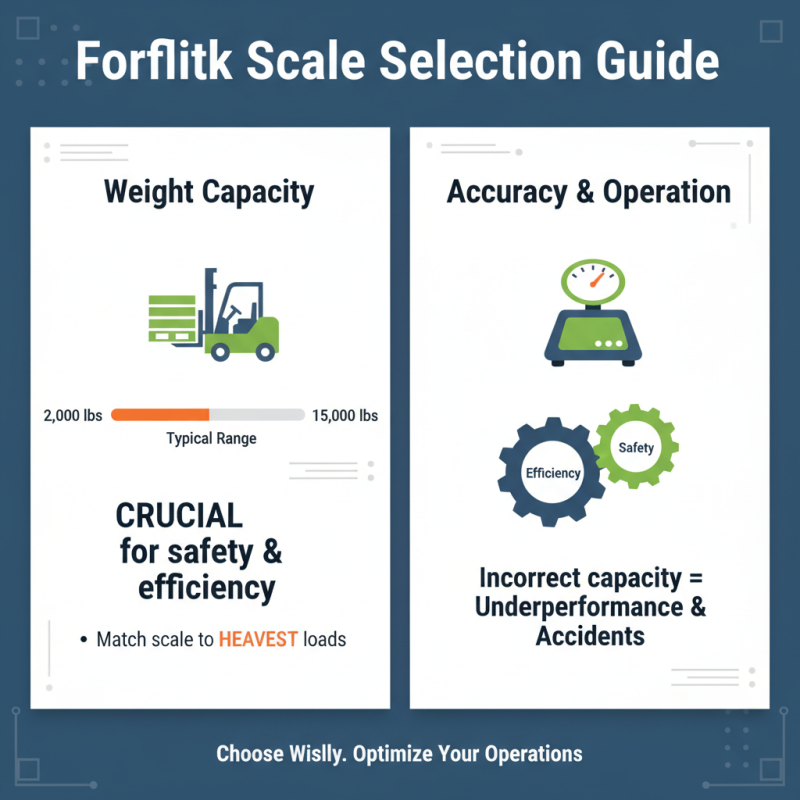
When selecting a forklift hydraulic scale, assessing weight capacity is crucial. Forklift scales typically range from 2,000 to 15,000 pounds in capacity. Depending on your operational needs, choosing the right scale can significantly impact efficiency and safety. A scale that cannot handle your heaviest loads can lead to underperformance and potential accidents.
Accuracy is another vital factor. Industry reports indicate that scales can vary in precision, with some displaying discrepancies of up to 2%. Accurate weight readings are essential for inventory management and ensuring compliance with regulations. An inaccurate scale can lead to financial losses and legal issues.
Tips: Always test scales before purchasing. Check their calibration and evaluate their performance with known weights. Paying attention to service history is key. Scales that require frequent repairs might not be reliable. Regular maintenance ensures long-term accuracy.
When evaluating options, consider durability as well. Scales should withstand harsh warehouse conditions. Operators’ feedback on ease of use can also guide your decision. Gather insights from trusted sources and user reviews to make an informed choice.
Comparing Different Brands and Models of Hydraulic Scales
When it comes to choosing a forklift hydraulic scale, several factors come into play. Different brands and models offer unique features and capabilities. Understanding these can help you make an informed decision. Weight capacity, accuracy, and ease of use are vital aspects. Some scales provide precise readings for heavy loads, while others may fall short, impacting efficiency.
In addition to features, consider the build quality and service support from the manufacturer. A robust scale can withstand the rigors of a warehouse environment, but not all scales meet this standard. Checking reviews and seeking recommendations is crucial. Some models might have excellent features but lack reliability over time, causing frustration and costly downtime.
Price is another critical element to analyze. High costs do not always mean high quality. There are affordable models that perform well, but they might require more maintenance. It's essential to weigh the initial investment against long-term reliability. With careful research, you can find a hydraulic scale that perfectly fits your operational needs.
Maintenance Tips for Optimal Performance of Forklift Hydraulic Scales
When it comes to maintaining forklift hydraulic scales, several practical tips can help ensure optimal performance.
Regular inspections are crucial. Check for any signs of wear or damage. Inspect hoses and seals frequently.
Look for leaks, which can indicate a problem. They often lead to inaccurate readings. Addressing these issues quickly can save time and money.
Another important aspect is cleaning. Dust and debris can accumulate on the scale’s sensors. Keep them clean to maintain precise measurements.
Use a damp cloth for the exterior but avoid harsh chemicals. They could damage sensitive components.
Additionally, ensure that the scale is calibrated regularly. This process should ideally occur before heavy use or after any significant shifts in the operational environment.
Given the intricate nature of hydraulic systems, be mindful of potential pitfalls. Overloading a forklift can strain the scale. It can lead to performance issues over time.
Education on proper loading techniques is vital. Training your staff can help mitigate these risks. Frequent maintenance checks and operator training create a reliable operation.
Celebrate improvements, but always remain vigilant to enhance performance continually.