Manual Winch Buying Guide with Essential Tips for Success
Choosing the right Manual Winch can be a complex task. It's crucial to consider various factors before making a purchase. Whether you need it for lifting or pulling, understanding the features and specifications is vital. A quality Manual Winch can make your projects easier and safer.
Many users overlook important details when selecting a Manual Winch. Failing to assess the weight capacity or gear ratio can lead to problems. It’s important to match your winch to the intended task. Don't just go for the cheapest option. A reliable winch often means investing in quality.
Take time to research brands and read user reviews. Learning from the experiences of others can offer insights into performance. Remember, a Manual Winch is an investment in your efficiency and safety. Understanding your needs will ultimately lead to a smarter purchase.
Manual Winch Types and Their Applications
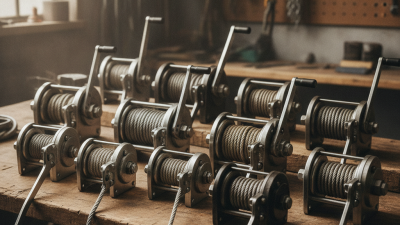
When considering manual winches, understanding the types available is essential. These winches serve various applications. The most common types include hand crank winches, strap winches, and block and tackle winches. Each type has unique features tailored to specific jobs.
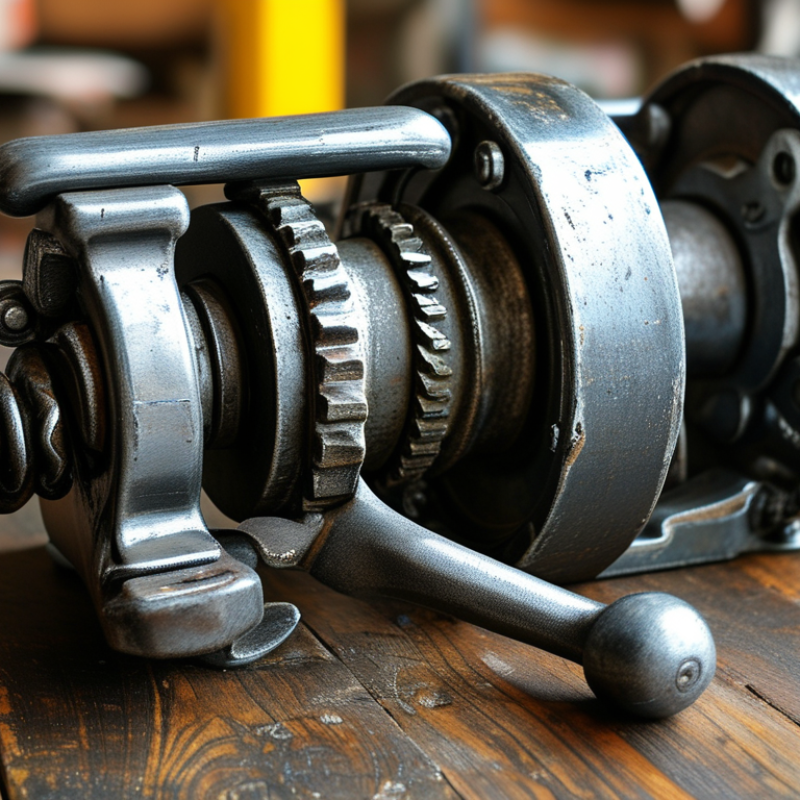
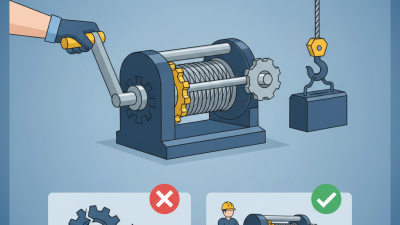
Hand crank winches are versatile and user-friendly. They are often used for lifting or pulling loads in construction and boating. Their simple design requires no electricity, making them reliable in remote areas. However, they may not handle heavy loads efficiently. It's crucial to assess the weight capacity before use.
Strap winches are designed for secure holding. They are useful in trailer applications or when transporting vehicles. Their design allows for quick adjustments and tight holds. On the other hand, users need to ensure proper strap alignment to avoid slippage. Block and tackle winches provide mechanical advantage for heavy lifting tasks. They require setup knowledge and can be complex, but they are effective when properly utilized. Familiarity with each winch type can lead to successful and safe operations.
Key Factors to Consider When Buying a Manual Winch
Selecting the right manual winch involves understanding several key factors. Capacity is paramount. Determine the weight you'll typically lift. A winch with insufficient capacity can lead to accidents. Always check the specifications. Additionally, consider the gear ratio. A higher ratio means less effort is needed to lift heavy loads. However, this may also slow down the lifting speed. Balance the need for speed and power based on your usage.
Material is another aspect to ponder. Look for durable materials like steel or aluminum. They provide better longevity and strength, especially for outdoor conditions. Corrosion resistance is vital if you plan to use the winch in damp environments. A winch that rusts easily will not be reliable after a few uses.
Finally, pay attention to the mounting options. Some winches require specific installation setups. Ensure compatibility with your existing equipment. Evaluate your skills and resources. Some setups might be challenging without professional help. It's essential to reflect on whether you can handle this process. Each choice contributes to the overall performance and success of your operations.
Essential Features for Efficient Manual Winch Operation
Choosing a manual winch involves understanding essential features for effective operation. Key aspects include the winch’s loading capacity, gear ratio, and construction material. The loading capacity determines how much weight the winch can handle. A higher capacity indicates more strength, but also more weight. Seek a balance between your needs and the winch weight.
The gear ratio impacts how easily the winch operates. A lower ratio provides more power, ideal for heavy loads. However, it may require more effort to turn. Consider your physical capability when selecting a winch with an appropriate gear ratio. Finally, the material is crucial for durability. Steel and high-quality synthetic materials offer resistance to rust and wear.
It’s vital to reflect on your usage. A winch suited for occasional use may differ from one required for frequent heavy lifting. Some users overlook the importance of ease of installation and portability. Ensure your choice allows for quick setup, especially in emergency situations. Assessing these features thoughtfully can greatly enhance your manual winch experience.
Safety Tips and Best Practices for Using Manual Winches
When using manual winches, safety should be your top priority. According to a report by the Occupational Safety and Health Administration (OSHA), improper winch usage can lead to serious injuries. Over 1,000 accidents are reported annually related to winching activities. This emphasizes the need for proper training and adherence to safety guidelines.
Always inspect your winch before use. Check for wear, frayed cables, or rust. The National Safety Council recommends inspecting equipment regularly to prevent accidents. Additionally, ensure that all operators are familiar with the winch's operation. Clear communication among team members can reduce risks during lifting tasks.
Load limits are crucial. Exceeding the specified limit can cause equipment failure. A study showed that overloading contributes to 50% of winch-related injuries. Users should be fully aware of their winch's capacity. If an operator feels unsure, reevaluate the load. Remember, rushing can lead to mistakes. Take the time to do it properly.
Manual Winch Buying Guide with Essential Tips for Success
| Feature |
Description |
Safety Tips |
Best Practices |
| Load Capacity |
Choose a winch that can handle the maximum load you expect to lift or pull. |
Always inspect the winch and load before use. |
Use the winch on level ground to maintain stability. |
| Gear Ratio |
Higher ratios provide more mechanical advantage but require more effort to operate. |
Ensure the gear mechanism is free of debris. |
Always follow the manufacturer’s instructions for operation. |
| Material Quality |
Durable materials prevent wear and ensure safety. |
Check for wear and tear on all components regularly. |
Keep the winch lubricated to ensure smooth operation. |
| Drum Size |
Larger drums can handle more rope and provide better wrapping. |
Secure the load properly before winching. |
Avoid overloading the winch to extend its lifespan. |
| Handle Length |
Longer handles provide better leverage for easier operation. |
Wear appropriate personal protective equipment. |
Have a spotter to ensure safe operation. |
Maintenance and Care for Longevity of Your Manual Winch
Maintaining your manual winch is crucial for its longevity and performance. Regular care prevents wear and tear.
According to industry reports, proper maintenance can extend a winch's life by up to 40%.
Users often overlook the importance of lubrication. A well-lubricated winch operates more efficiently and withstands tough conditions.
Tips:
Inspect your winch frequently for rust and corrosion.
Clean it after each use. A simple wipe-down can prevent buildup. Additionally, ensure all parts are functioning correctly,
including the brake and handle. If you notice any unusual sounds, address them immediately.
Storing your winch correctly also matters. Keep it in a dry, cool place to avoid moisture damage.
Using a protective cover can shield it from dust and debris. Remember, neglecting these aspects may lead to significant repairs.
A documented study showed that 60% of winch failures could be traced back to poor maintenance practices. Staying proactive is key.