What is a Power Chain Hoist and How Does it Work?
Power Chain Hoists are critical tools in various industries. They excel in lifting heavy loads efficiently and safely. According to the latest industry reports, the global electric hoist market is valued at around $2.3 billion, projected to grow by 6.5% annually. This highlights the increasing reliance on advanced lifting technologies.
A Power Chain Hoist employs a motor to drive a chain mechanism, enabling smooth lifting operations. These devices are not only powerful but also compact, making them versatile for different settings. In factories and construction sites, they enhance productivity significantly. However, choosing the right hoist can be challenging due to varying requirements.
While Power Chain Hoists offer numerous benefits, users must be cautious. Overloading can lead to equipment failure or accidents. Regular maintenance is essential for optimal performance. Investing in training for operators can mitigate risks and enhance efficiency. Understanding these factors helps ensure safe and reliable operations in the workplace.
Definition and Basic Principles of a Power Chain Hoist
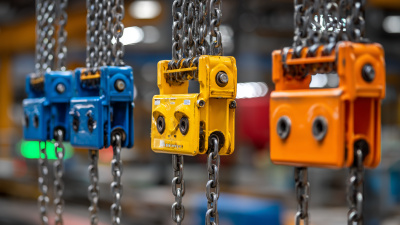
A power chain hoist is a vital tool in lifting heavy loads. It utilizes a chain as its main lifting mechanism, making it effective for various applications. These hoists are commonly found in warehouses, construction sites, and theaters. Their design allows for a compact form factor, enabling ease of use in tight spaces.
The basic principle of a power chain hoist is straightforward. An electric motor drives the hoist, which pulls the chain and lifts the load. The chain typically runs over a set of gears and pulleys, distributing the weight evenly. Operators should ensure the hoist is rated for the load they intend to lift. Miscalculating the weight can lead to equipment failure, posing risks to safety.
While power chain hoists are reliable, they require regular maintenance. Over time, chains can wear, and gears may deteriorate. It’s important to inspect these components frequently. Ensuring that every part functions properly guarantees safety and efficiency. Familiarizing yourself with the hoist's operational and safety guidelines can mitigate risks. There's always room for improvement in handling heavy loads effectively.
What is a Power Chain Hoist and How Does it Work? - Definition and Basic Principles of a Power Chain Hoist
| Feature |
Description |
Advantages |
Applications |
| Power Source |
Electric motors provide the lifting power by driving a chain mechanism. |
Efficient lifting capabilities and reduced manual labor. |
Manufacturing, Construction, Warehousing. |
| Lifting Mechanism |
Utilizes chains and gears to lift heavy loads with precision. |
High load capacity and stable operation. |
Shipyards, Factories, Construction sites. |
| Control System |
Includes wired or wireless remote controls for easy operation. |
Enhanced safety and operator convenience. |
Assembly lines, Indoor lifting tasks. |
| Safety Features |
Equipped with overload protection and emergency stop functions. |
Minimizes risk of accidents and equipment damage. |
Heavy machinery handling, Event rigging. |
Components of a Power Chain Hoist and Their Functions
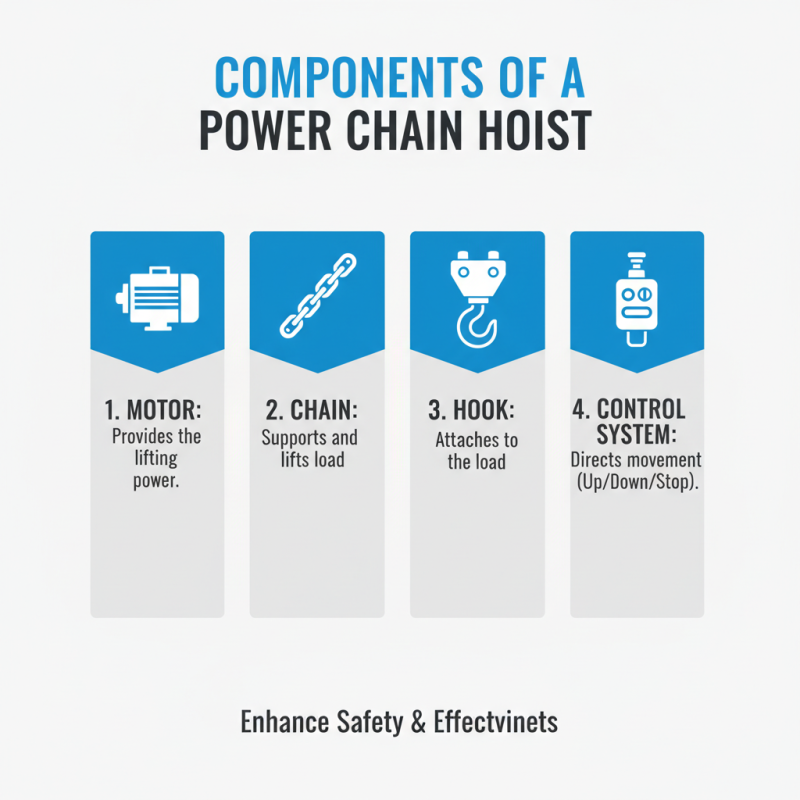
Power chain hoists are vital tools in various industries for lifting heavy loads. Understanding their components can enhance safety and effectiveness. A typical power chain hoist consists of several key parts: the motor, chain, hook, and control system. Each component plays a crucial role in the hoisting process.
The motor drives the lifting mechanism. It converts electrical energy into mechanical energy, providing the power needed to lift loads. Most power chain hoists use robust electric motors that can handle significant weight. The chain, made from high-strength steel, ensures durability and safety during operation. Chains are often rated for specific weight limits, affecting the hoist's overall capacity.
The hook is another critical part, designed to securely hold loads. It must meet safety standards to prevent accidents. Finally, the control system allows operators to manage the hoist's movements precisely. Operators should be well-trained, as improper use can lead to safety hazards.
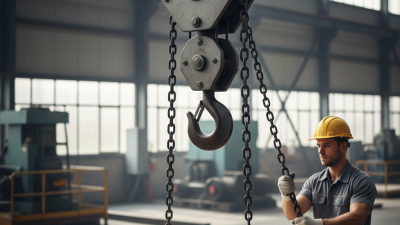
Tips: Regular maintenance is essential. Inspect the chain for wear and tear. Ensure the hook is not bent or damaged. Always comply with weight limits to avoid overloading. A slight oversight can lead to serious consequences. Operators should receive ongoing training in safety protocols. Proper training can greatly reduce the risk of accidents.
How Power Chain Hoists Are Operated and Controlled
Power chain hoists are essential tools in various industries, offering efficient solutions for lifting and moving heavy loads. These hoists are controlled using a combination of manual and electrical methods, providing users with flexibility in operation. Typically, they are equipped with a power source such as an electric motor, which drives the lifting mechanism. According to recent industry data, the market for electric hoists is expected to grow by 4.5% annually, reflecting their increasing importance in modern operations.
Controlling a power chain hoist involves a user-friendly interface. Operators can use a handheld remote or a control panel, enabling precise lifting and lowering of loads. Many hoists include safety features such as overload protection and limit switches. A report by Allied Market Research indicates that nearly 30% of hoist accidents stem from operator error, emphasizing the need for proper training. This highlights an area for improvement in operating procedures to enhance safety.
Moreover, power chain hoists can be integrated into automated systems. For instance, in warehouses, they can work alongside conveyor belts and automated guided vehicles. This integration can streamline processes significantly. However, operators must account for potential disruptions, such as power failures. These interruptions can lead to delays, prompting users to evaluate their backup systems. Adapting to these challenges is crucial for maintaining efficiency and safety in lifting operations.
Applications of Power Chain Hoists in Various Industries
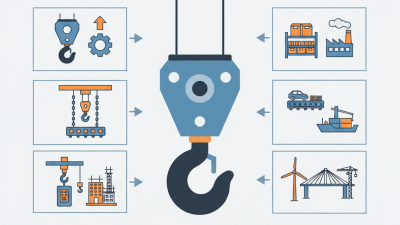
Power chain hoists are versatile tools used across various industries. They provide efficient lifting solutions in manufacturing, construction, and entertainment sectors. These devices can lift heavy loads with ease. Their design allows for smooth and controlled lifting, essential for safety and precision.
In construction, power chain hoists are invaluable for moving materials. They help lift heavy beams and machinery to elevated levels. Their capability to handle substantial weight reduces the risk of accidents. In manufacturing, they improve productivity by streamlining assembly processes. Workers can focus on their tasks while the hoist manages heavy lifting. The entertainment industry, too, relies on these hoists. They are often used in stage setups, allowing for quick changes in scenery.
Despite their utility, power chain hoists require regular maintenance. Neglecting upkeep can lead to breakdowns, risking both safety and efficiency. Operators must be trained properly. Incorrect usage can result in accidents or equipment damage. Awareness of potential risks is vital. Proper training and maintenance can enhance reliability and functionality. This balance between effectiveness and caution defines the efficient use of power chain hoists across industries.
Applications of Power Chain Hoists in Various Industries
Safety Considerations and Maintenance for Power Chain Hoists
When working with power chain hoists, safety should always be a priority. Regular inspection is crucial for ensuring these devices operate reliably. Look for signs of wear and tear, such as frayed chains or damaged hooks. Any irregularity can lead to serious accidents.
Tips: Always follow the manufacturer's guidelines for maintenance schedules. Keeping a checklist can help streamline this process.
Operational safety extends to the user's environment. Keep the area around the hoist clear of obstacles. Sudden movements or obstructions can lead to losses, both in terms of time and resources.
Tips: Invest in proper training for operators. Understanding the hoist’s capabilities and limits is essential for safe usage. Regular training sessions help reinforce safety protocols.
In addition, consider the load being lifted. Overloading is a common mistake that can result in failure. Always adhere to weight limits and ensure the load is balanced appropriately. Reflecting on past experiences can help identify patterns that lead to risks.