Top Tips for Choosing the Best Movable Hydraulic Lift?
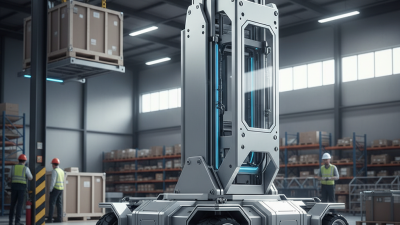
When selecting a movable hydraulic lift, various factors must be considered to ensure optimal performance and safety. According to industry reports, the global market for hydraulic lifts is expected to reach over $20 billion by 2026, reflecting a growing demand. This growth emphasizes the importance of making informed choices in selecting the right model.
Movable hydraulic lifts offer flexibility and efficiency in material handling across industries. Their design allows for easy maneuverability in tight spaces. However, not all lifts are created equal. Some models may lack adequate safety features, leading to potential hazards. It's crucial to evaluate specifications and consult experts in the field to avoid costly mistakes.
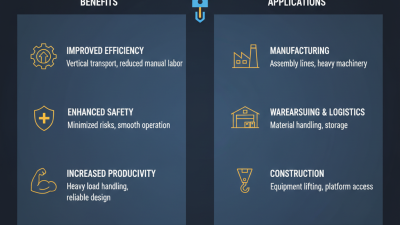
Additionally, consider the demands of your specific operations. What works for a warehouse may not suit a construction site. Each application requires tailored solutions. Take the time to analyze your needs, looking beyond the surface. Only then can you confidently choose the best movable hydraulic lift for your enterprise.
Understanding Different Types of Movable Hydraulic Lifts
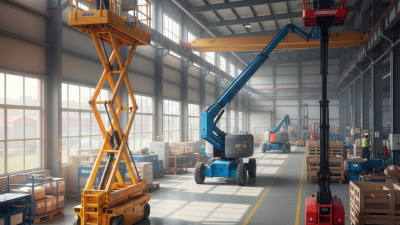
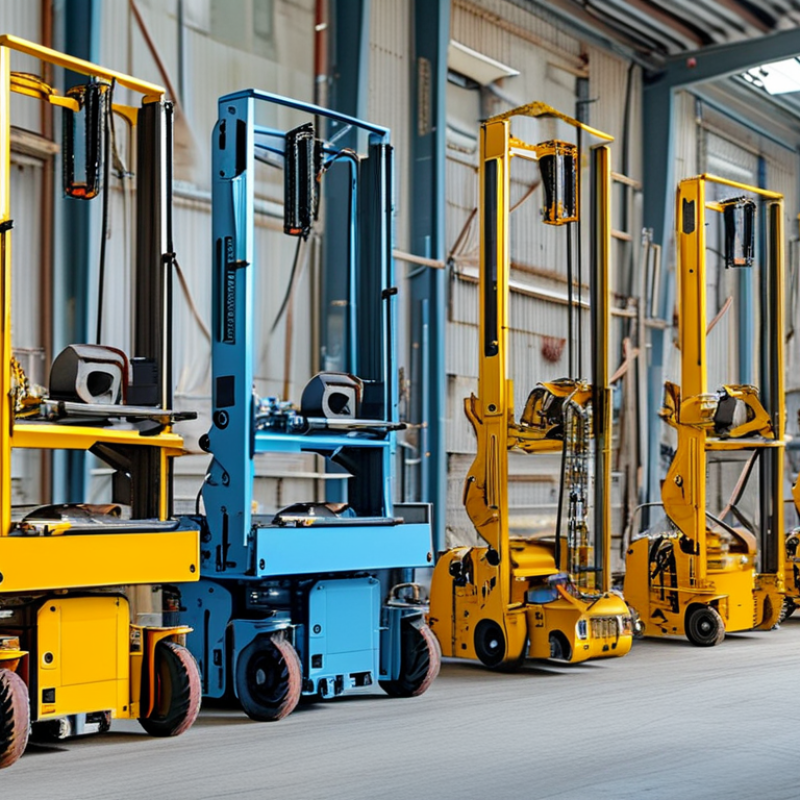
When selecting a movable hydraulic lift, it's essential to understand the various types available. There are scissor lifts, boom lifts, and aerial lifts. Each serves a different purpose and excels in specific environments. Scissor lifts, for instance, are great for straightforward vertical lifting. They provide a stable platform for tasks like maintaining ceilings or changing light bulbs.
Boom lifts are more versatile. They can reach high places while offering horizontal reach as well. These lifts are ideal for construction sites or outdoor maintenance work. They may require more space to maneuver, which could limit their use in tighter areas. Aerial lifts, on the other hand, are often compact and easier to navigate. They provide excellent stability but may only reach moderate heights.
While considering your options, reflect on your specific needs. Assess the weight capacity and the height you’ll need to reach. Don't overlook the terrain where the lift will operate. Some lifts perform better on uneven ground, while others are best suited for paved surfaces. Each type has its own advantages and limitations, making it crucial to understand what fits your project most effectively.
Top Tips for Choosing the Best Movable Hydraulic Lift
Understanding Different Types of Movable Hydraulic Lifts and their Capacities
Key Specifications to Consider When Selecting a Hydraulic Lift
When selecting a movable hydraulic lift, several key specifications require attention. Load capacity is paramount. Most hydraulic lifts can handle between 1,000 and 10,000 pounds. Industry reports suggest a growing demand for lifts that can accommodate heavier loads, particularly in construction and manufacturing sectors. This trend emphasizes the importance of matching the lift's capacity to your operational needs.
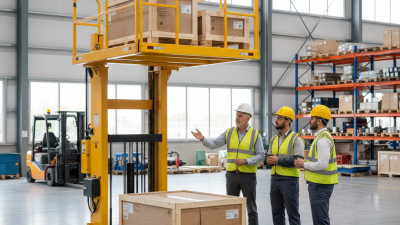
Another critical aspect is lift height. Common models provide lifting heights ranging from 3 to 10 feet. Depending on your workspace, consider whether you need the lift to reach high shelving or if a lower reach is sufficient. Ensuring the lift meets your height requirements enhances safety and efficiency.
Tips for selecting the perfect hydraulic lift include evaluating the height required for your operations. Also, check for portability features. A lift with easy maneuverability saves time and prevents workplace accidents. Pay attention to the quality of hydraulic fluid used, as it can impact performance.
Always review safety certifications on the equipment. Non-compliance with safety standards can lead to major mishaps. Lastly, consider the weight of the lift itself. Heavier models might offer stability but can be cumbersome. Striking a balance between weight and functionality is essential for long-term use and convenience in any operational scenario.
Top Tips for Choosing the Best Movable Hydraulic Lift
| Specification |
Description |
| Load Capacity |
The maximum weight the hydraulic lift can safely handle, typically ranging from 500 to 5000 lbs. |
| Lift Height |
The maximum height the lift can reach, usually between 3 to 12 feet. |
| Platform Size |
The dimensions of the lift platform, affecting stability and workspace, often measuring from 24"x24" to 48"x72". |
| Weight of Lift |
The total weight of the lift itself, which can impact mobility; generally between 100 to 800 lbs. |
| Power Source |
Indicates whether the lift is powered by electric, battery, or manual options. |
| Safety Features |
Includes features such as guardrails, emergency stops, and overload protection. |
| Mobility |
Assessment of how easily the lift can be moved around, often indicated by wheel size and type. |
| Price Range |
The cost of hydraulic lifts can range from $300 to $3000 depending on specifications and features. |
Evaluating Safety Features for Movable Hydraulic Lifts
When selecting a movable hydraulic lift, evaluating safety features is paramount. Start by examining the lift's weight capacity. It's crucial to choose a model that meets your specific lifting needs. Overloading can lead to malfunctions, posing risks to operators and equipment. Always refer to the manufacturer's guidelines here.
Check the stability of the lift. Look for models with a wide base or stabilizers. A wider stance often prevents tipping or swaying during operation. Safety locks are another essential feature. They should engage automatically when the lift is raised, ensuring the platform stays in place.
Consider additional safety mechanisms, like emergency stop buttons. These features can halt all operations instantly, preventing potential accidents. Also, take a look at the lifting speed. A lift that moves too quickly can increase the risk of accidents. Familiarize yourself with how to operate the lift properly. Providing adequate training for users can help avoid careless mistakes.
Assessing Load Capacity and Stability Requirements
When selecting a movable hydraulic lift, understanding load capacity is essential. Each lift has a specific maximum weight it can handle. Overloading the lift can have disastrous consequences. It's crucial to closely examine the weight of the items you need to lift. Compare this weight against the lift’s specifications. Be wary of fluctuating weights due to additional tools or materials.
Stability is another critical factor to consider. A lift must maintain balance under heavy loads. Look for features like a wider base or built-in stabilizers. These elements enhance safety. It's important to avoid lifts that feel wobbly or unstable, even when empty. Stability can safeguard against accidents that cause injury or damage to equipment.
Reflect on your lifting needs thoroughly. Analyze how often and where you will use the lift. Will you maneuver it through tight spaces? Or will you frequently transport heavy loads over longer distances? Ensure that the lift can comfortably function in your specific environment. Balancing load capacity with stability will enhance safe and effective lifting.
Exploring Maintenance and Support Options for Hydraulic Lifts
When selecting a movable hydraulic lift,
maintenance and support are crucial aspects to consider. Regular upkeep can significantly
extend the lifespan of hydraulic lifts. According to industry reports, neglected maintenance
can lead to a 20% increase in operational failures. Routine checks, including hydraulic
fluid levels and seal integrity, can prevent costly breakdowns.
Choosing a vendor with robust support options
is equally important. Look for companies that offer comprehensive service packages. Access to trained
technicians can make a difference. A study highlighted that facilities with immediate access to
maintenance support experience 25% fewer downtimes. Additionally,
online resources, such as video tutorials and manuals, can enhance user knowledge about lift operation
and maintenance.
Despite advancements, reliance on technology can introduce challenges. For example, some operators
may struggle with complex diagnostic tools. It’s essential to ensure your team is adequately trained.
A gap in knowledge could lead to improper use, potentially causing safety hazards. Balancing technology and hands-on training is key to effective lift operation.