10 Essential Tips for Choosing the Right Movable Hydraulic Lift for Your Business Needs
In the ever-evolving landscape of warehousing and logistics, the efficiency of operations is paramount to maintaining competitive advantage. A report from the British Industrial Truck Association (BITA) highlights that businesses utilizing advanced lifting equipment such as movable hydraulic lifts can enhance their operational productivity by up to 30%. With increasing demands for flexibility in handling a variety of materials across different environments, the choice of the right movable hydraulic lift becomes crucial for optimizing workflows and ensuring worker safety.
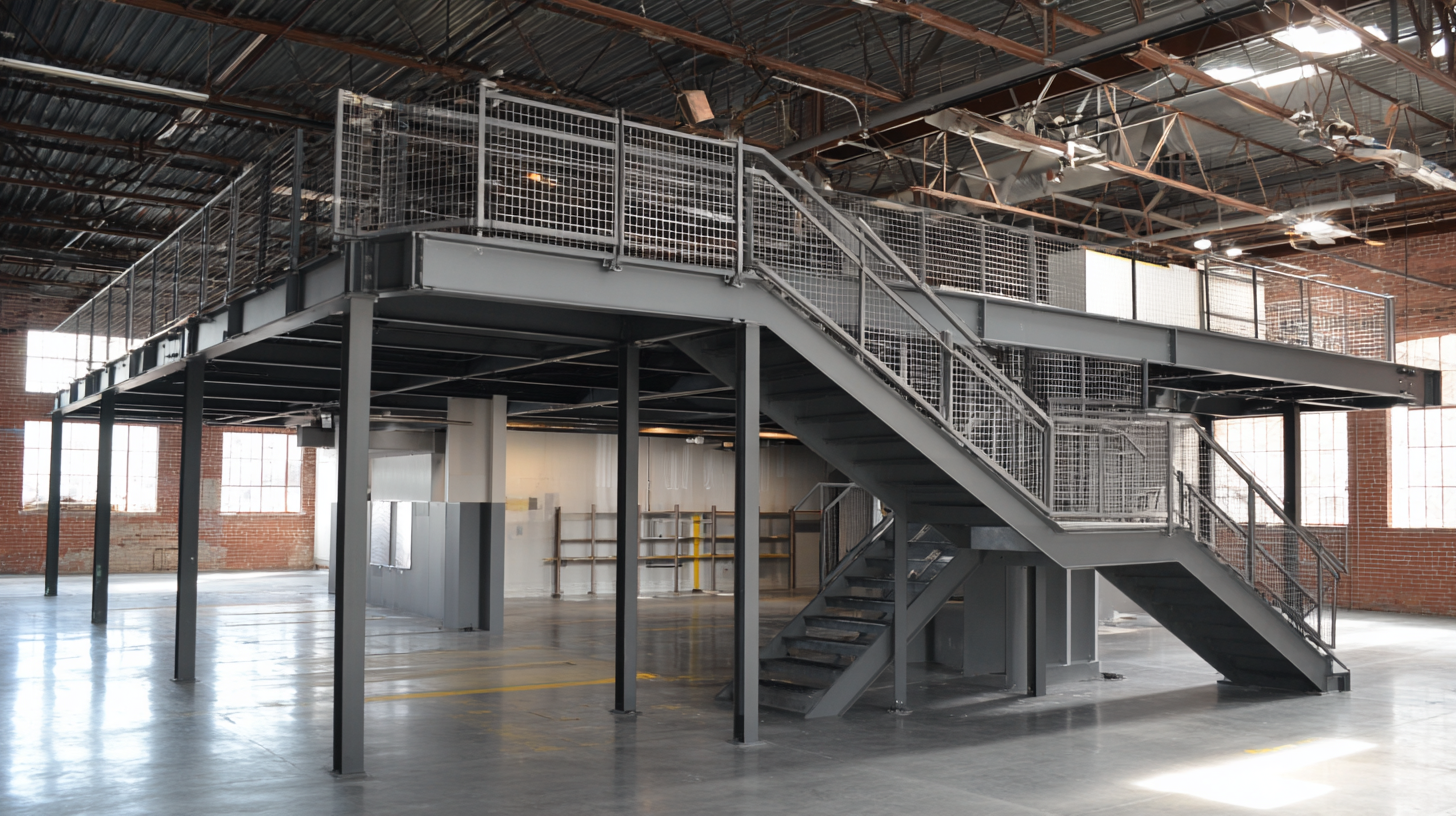
As we approach 2025, industry experts predict a growing trend toward automation and ergonomic solutions within material handling. The adoption of movable hydraulic lifts is expected to rise significantly, with the global hydraulic lift market projected to reach USD 12.5 billion by 2026, growing at a CAGR of 4.8% from 2021. Selecting the appropriate movable hydraulic lift not only impacts efficiency but also influences maintenance costs, worker ergonomics, and compliance with safety standards. Therefore, understanding the key factors involved in making an informed decision is essential for businesses looking to invest in this vital equipment.
Understanding Load Capacities: Selecting a Hydraulic Lift That Meets Industry Standards
When selecting a movable hydraulic lift for your business, understanding load capacities is crucial. Each lift is engineered to handle specific weight ranges, and it’s imperative to choose one that not only meets but exceeds your operational requirements. Ensure you thoroughly assess the maximum weight you intend to lift, factoring in any potential increase in loads over time. Using a lift that does not accommodate your needs can lead to operational inefficiencies and safety risks.
Additionally, industry standards dictate certain requirements for hydraulic lifts, particularly regarding safety and performance. Familiarize yourself with guidelines set by regulatory bodies to ensure compliance. This includes understanding factors such as the lift’s stability under load, emergency stop features, and the reliability of its hydraulic system. Investing in quality equipment that adheres to these standards will enhance your workplace safety and contribute to a more efficient workflow, ultimately benefiting your bottom line.
Evaluating Lift Height Requirements: How to Optimize Efficiency in Your Workspace
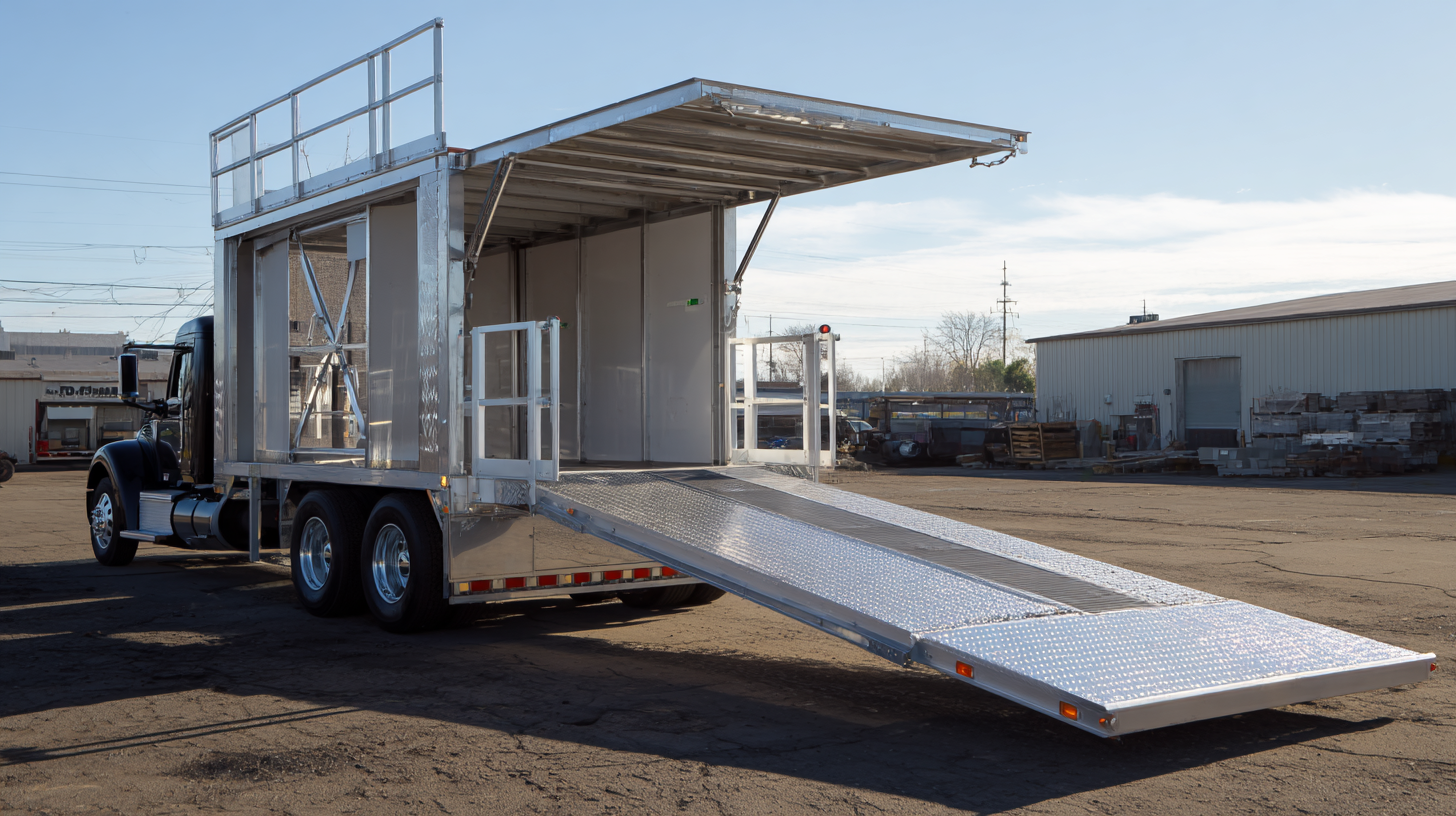
When selecting a movable hydraulic lift for your business, one of the most critical factors to consider is the lift height required for your operations. According to industry reports from the Material Handling Industry of America (MHIA), optimizing lift height can significantly reduce operational inefficiency, leading to a potential cost saving of 15-30% in labor expenses. Assess the maximum height needed for reaching shelves or platform areas; selecting a lift that accommodates these needs while ensuring safety and stability is essential.
Tip: Always measure your workspace's vertical limitations and the maximum height of the items you intend to lift. This not only prevents operational interruptions but also ensures that employees can work safely without the risk of equipment damage. Furthermore, consider lifts with adjustable height capabilities, increasing flexibility for various tasks.
Another important consideration is the frequency of use and load capacity. The Industrial Truck Association reports that lifts with higher load capacities often remain in service longer, providing better value for businesses with heavy lifting requirements. Be sure to match the lift's capabilities with your most demanding task to maximize efficiency and minimize downtime.
Tip: Consult with lift manufacturers to understand the performance ratings of different models, ensuring that you invest in a hydraulic lift that meets your specific operational demands effectively.
10 Essential Tips for Choosing the Right Movable Hydraulic Lift for Your Business Needs
Evaluating Lift Height Requirements: How to Optimize Efficiency in Your Workspace
| Lift Model |
Max Lift Height (ft) |
Load Capacity (lbs) |
Weight (lbs) |
Price ($) |
| Model A |
12 |
2500 |
700 |
1599 |
| Model B |
15 |
3000 |
850 |
1899 |
| Model C |
20 |
3500 |
900 |
2299 |
| Model D |
10 |
2000 |
600 |
1399 |
Assessing Mobility Features: The Importance of Maneuverability in Material Handling
When selecting a movable hydraulic lift for your business, assessing the mobility features is crucial. Maneuverability plays a significant role in how effectively material can be handled within various work environments. A lift that easily navigates through tight spaces or around obstacles can save time and reduce strain on employees. Look for models with features such as tight turning radii and adjustable base widths, which enhance their ability to operate efficiently in confined areas.
Additionally, the weight capacity and design of the lift can greatly impact its maneuverability. Lifts that are too heavy or bulky may struggle in dynamic environments, while lighter models can offer better agility without compromising on safety. Consider the terrain where the lift will be used; models with pneumatic tires or all-terrain capabilities can improve mobility on uneven surfaces, ensuring that your operations remain smooth and uninterrupted. Ultimately, the right choice in maneuverability can lead to increased productivity and safer working conditions in your facility.
Comparing Power Sources: Electric vs. Hydraulic Systems for Performance and Cost Efficiency
When choosing a movable hydraulic lift for your business, understanding the differences between power sources—specifically electric versus hydraulic systems—is crucial for optimal performance and cost efficiency.
Electric lifts are often favored for their lower upfront costs and ease of installation. They are typically quieter and can be operated in environments sensitive to noise, making them suitable for indoor use. Additionally, electric systems require less maintenance compared to hydraulic counterparts, as they have fewer moving parts that can wear out over time.
On the other hand, hydraulic lifts are renowned for their superior lifting capabilities and can handle heavier loads with greater stability. They excel in outdoor or rugged conditions where electric systems might face challenges, such as power supply issues or exposure to harsh weather. While they may have higher initial costs and maintenance needs, the long-term performance and reliability of hydraulic systems in demanding applications cannot be overlooked.
Ultimately, the choice between electric and hydraulic systems will depend on your specific business requirements, including the types of loads you'll be lifting and the operational environment your lift will face.
Budget Considerations: Analyzing Initial Investment vs. Long-Term Operational Costs in Hydraulic Lifts
When investing in a movable hydraulic lift for your business, understanding the budgetary implications is vital. The initial purchase price can vary significantly depending on the lift's specifications and capabilities. According to a report from the Material Handling Industry of America (MHIA), the average cost of a hydraulic lift ranges from $2,000 to $10,000, but more advanced systems can exceed $30,000. This initial investment is often just the tip of the iceberg, as long-term operational costs must be factored into your decision-making process.
On average, operational costs for hydraulic lifts, including maintenance, energy consumption, and labor, can amount to 15-30% of the lift's purchase price annually. A study by the Industrial Truck Association found that businesses typically under-budget for these expenses. For instance, a lift costing $10,000 could incur up to $3,000 in operational costs each year, potentially leading to budget overruns if not adequately planned for. Therefore, a thorough analysis of both upfront costs and long-term expenses is crucial to ensure that your lift not only meets immediate needs but also aligns with your financial strategy over its lifespan.