Top 10 Electric Hoist Scaffold Options for Global Buyers?
In the construction industry, efficiency and safety are crucial. Electric Hoist Scaffold systems play a vital role in improving both. These systems provide workers with reliable and effective solutions for lifting and positioning materials at various heights. Selecting the right electric hoist scaffold can significantly impact project timelines and overall productivity.
The market offers numerous options for global buyers, each with unique features and specifications. Understanding these differences is essential. Factors such as load capacity, height reach, and ease of installation should influence your choice. However, navigating these options can be challenging, especially for those new to electric hoist scaffold technology.
This article aims to identify the top 10 electric hoist scaffold options currently available. We will examine their strengths and potential drawbacks. By presenting detailed insights, we hope to guide buyers in making informed decisions. Choosing the right electric hoist scaffold is essential for not just efficiency, but also for ensuring worker safety on-site.
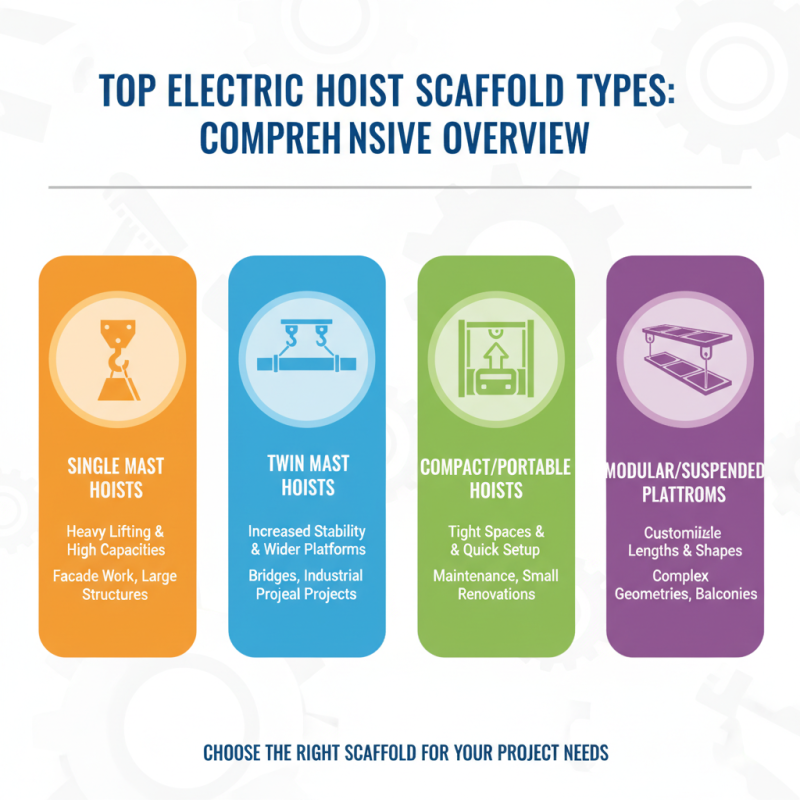
Top Electric Hoist Scaffold Types: A Comprehensive Overview
When choosing an electric hoist scaffold, understanding the types available is essential. Various design options cater to different construction needs. For example, some hoists are ideal for heavy lifting, while others excel in tight spaces. This diversity allows users to select a scaffold that meets specific project requirements.
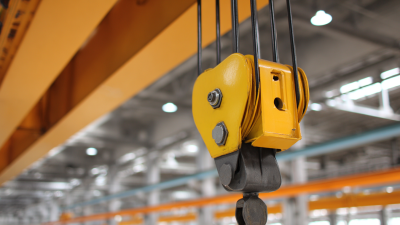
Electric hoists generally come in two main types: wire rope and chain hoists. Wire rope hoists often provide a smoother lifting experience and are suitable for long lifting heights. Their construction allows for durability and reliability under heavy loads. In contrast, chain hoists are typically more compact. They are easier to maintain and often have a lower price point, making them a user-friendly option.
However, not every electric hoist is perfect. Certain models can become overheated during extended use, which raises efficiency concerns. It's also worth noting that some hoists might not function well in harsh weather conditions. Buyers should assess the environment in which they plan to use the hoist. Evaluating each type's strengths and weaknesses helps ensure an optimal choice.
Key Features to Consider in Electric Hoist Scaffolds
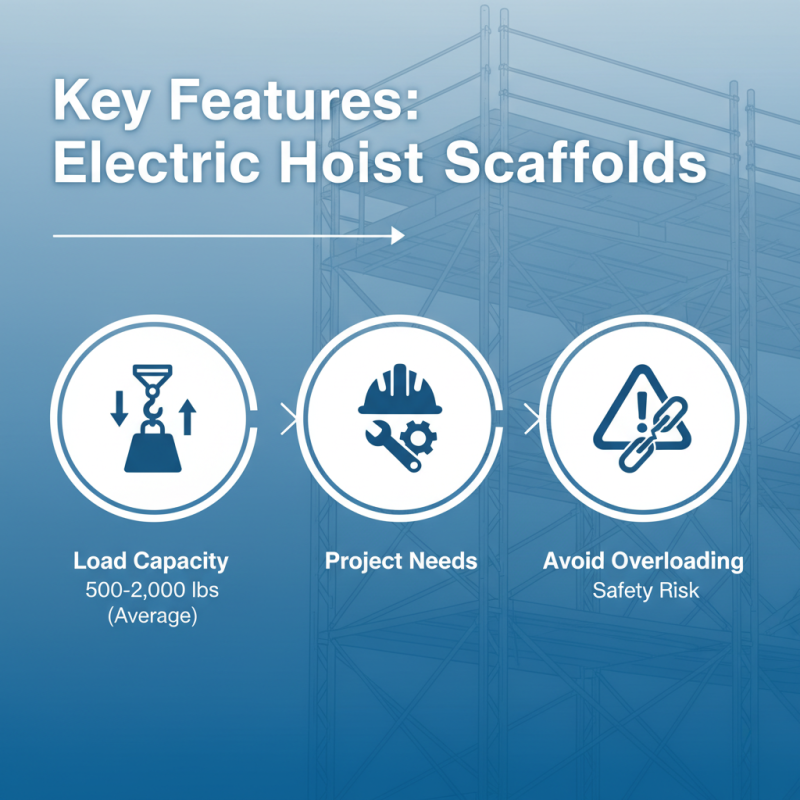
When considering electric hoist scaffolds, several key features stand out. Load capacity is critical. According to industry reports, the average hoist supports between 500 to 2,000 pounds. This makes it essential to assess your project's needs carefully. Overloading can lead to serious accidents.
Another vital aspect is the power source. Electric hoists typically use a 110V or 220V supply. Understanding the electrical requirements for your site helps ensure safe operation. Incompatible voltage can lead to equipment failure. Regular inspections of the wiring and connections are essential but often overlooked.
Safety features must not be ignored. Many hoists come with overload protection, emergency stop buttons, and non-slip controls. These features are crucial for preventing accidents. In fact, reports suggest that 30% of construction-related injuries are tied to equipment malfunction. Ensuring your equipment meets safety standards minimizes risks significantly. Always consult with experts to ensure compliance. Regular maintenance can also improve performance and lifespan, though often, companies neglect this aspect.
Market Trends: Global Demand for Electric Hoist Scaffolds
The global demand for electric hoist scaffolds is on the rise. Recent market research indicates that this sector is projected to grow at a compound annual growth rate (CAGR) of 7.5% from 2023 to 2030. This surge is driven by increased construction and maintenance activities, especially in urban areas. The versatility and efficiency of electric hoist scaffolds make them popular among contractors looking to optimize project timelines.
One crucial tip for buyers is to consider weight capacity and dimensions of the scaffold. Ensuring the right specifications can prevent safety issues. Another essential aspect is the power source. Electric hoists should be compatible with local electricity standards. Addressing these elements beforehand can save time and costs during projects.
Despite the growing popularity, it's vital to approach this market with caution. Some scaffolds may not meet safety standards in certain regions. Always verify certifications and compliance with local regulations. A mistake here can lead to serious liabilities. By thoughtfully evaluating options, buyers can make informed decisions that prioritize safety and efficiency.
Safety Standards and Regulations for Electric Hoists Worldwide
As the construction industry evolves, electric hoists have become more integral. Safety standards for these machines are critical for protecting workers. Different countries enforce unique regulations. The ISO 9927-1 standard is prominent globally. It outlines inspection and maintenance for lifting equipment.
Compliance with local regulations is vital. For example, in the U.S., OSHA mandates strict adherence to safety norms for electric hoists. According to the European Machinery Directive, all machines must undergo conformity assessments. This ensures they meet safety and performance requirements before reaching the market.
Data shows that inappropriate use remains a concern. Approximately 60% of electric hoist accidents result from operator error. Training programs are essential for improving safety. Regular audits help identify risk areas and enhance compliance. More focus is needed on education and practical training in various regions. Electric hoist safety is a shared responsibility. Manufacturers, operators, and regulators must work together to create a safer environment.
Top Manufacturers and Brands in the Electric Hoist Industry
In the electric hoist industry, various manufacturers excel in providing reliable and efficient solutions. Many companies focus on innovation and safety features. These elements are crucial for users who demand dependable equipment for construction and lifting tasks. The market is competitive, making it essential for buyers to understand different options.
A few key players prioritize user experience in their designs. They ensure easy operation and maintenance. The variety of models available caters to specific job site needs. However, not all products meet the same standards. Buyers may encounter discrepancies in quality. It’s vital to research before making a purchase. Checking user reviews can reveal real-world performance and potential drawbacks.
Customer service also plays a significant role. Some brands offer impressive support, while others fall short. A poorly handled inquiry can lead to frustration. Additionally, warranty terms vary greatly between manufacturers. Understanding these details will help in making a well-informed decision. Ultimately, users should consider both performance and the level of support they expect from their chosen manufacturer.