2026 Top Manual Chain Hoist Types for Global Buyers?
In 2026, global buyers face more choices when selecting equipment for lifting, positioning, and maintenance work. A Manual Chain hoist remains valuable because it works without electricity, compressed air, or complex controls. It can serve workshops, warehouses, construction sites, and remote service areas. Simple does not mean risk-free.
This guide examines common manual chain hoist types, including hand chain hoists, lever hoists, and trolley-mounted models. Each design answers a different need. A hand chain hoist suits controlled vertical lifting. A lever hoist supports pulling, tensioning, and short-distance positioning. A geared trolley adds horizontal movement along an overhead beam. The details matter.
Global buyers should compare rated capacity, lifting height, chain grade, brake performance, hook design, and spare-part access. A 2-ton hoist may look suitable, yet beam compatibility or limited headroom can make it impractical. Check the working load limit carefully. Never rely only on a product photograph or a low purchase price.
Reliable suppliers should provide test records, clear user instructions, traceable identification, and inspection guidance. Regional standards may differ, so buyers should verify applicable requirements before ordering. That step is often rushed. It should not be.
Real-world handling also matters. A muddy chain, damaged hook latch, or uneven load can change safe performance quickly. Regular inspection remains essential, even for lightly used equipment. No single type wins every application. That assumption can fail.
The following comparison helps purchasing teams connect hoist design with operating conditions, maintenance expectations, and long-term value. It also highlights practical limitations that polished catalog descriptions may overlook.
What Is a Manual Chain Hoist and How Does It Work?
A manual chain hoist lifts loads without electricity, using hand power and mechanical advantage. Its operation is simple, but correct selection requires practical judgment.
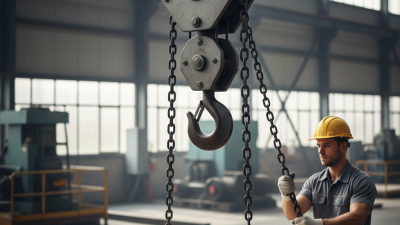
The operator pulls the hand chain around a pocket wheel. That wheel drives reduction gears inside the body. The gears multiply pulling force and rotate the load sprocket. The load chain then moves through the sprocket, raising or lowering the attached hook.
A friction brake holds the load when the operator releases the hand chain. It stops instantly. This brake is central to controlled lifting.
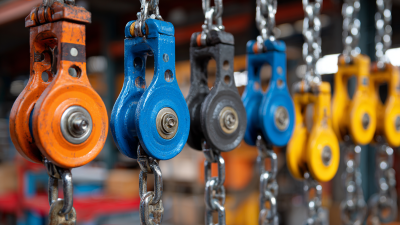
Common types include geared chain hoists, lever hoists, and trolley-mounted hoists. Geared models suit vertical lifting in workshops and maintenance areas.
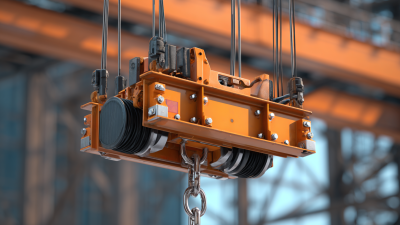
Lever hoists work well in tight spaces, especially for pulling or positioning loads. Trolley-mounted units travel along an overhead beam.
Grand View Research’s 2024 material-handling equipment report valued that global market at approximately USD 216.6 billion in 2023, reflecting strong demand for basic lifting equipment.
Buyers should compare rated capacity, lift height, chain grade, hook design, and brake performance. ASME B30.16 provides inspection and operating guidance for overhead manual hoists.
A 2-ton rating does not make every lift safe. Angled loading, shock loading, damaged hooks, and poor anchoring can change the risk quickly.
In real workshops, labels may fade, and operators may rush. That is where judgment sometimes fails. A pre-use inspection remains necessary.
Which Manual Chain Hoist Types Are Available in 2026?
In 2026, global buyers can choose several manual chain hoist types for lifting without electricity. The standard hand chain hoist remains common in workshops, warehouses, and construction areas. It uses a hand chain and reduction gears to lift controlled loads. Lever hoists suit pulling, positioning, and horizontal tensioning. Their short handles work well where vertical clearance is limited.
Low-headroom chain hoists help when beams, doorways, or machinery leave little space above the load. Some models combine a manual hoist with a geared trolley, allowing operators to lift and move loads along an I-beam. Fixed suspension models are simpler and often suit permanent lifting points. Stainless-steel or corrosion-resistant versions may support cleaner or damp environments, but buyers should verify material grades and sealing details.
Selection should begin with working load limit, lift height, beam width, and operating frequency. Check the load chain, hooks, brakes, and safety latches before use. A smooth hand-chain movement matters more than a polished appearance. I have seen buyers choose a compact hoist, then discover that its hook opening or headroom does not fit the site. That mistake is avoidable. Certification documents, inspection guidance, spare-part access, and clear operating instructions also deserve attention. Manual lifting is not automatically low risk. Planning remains essential.
How Do Manual Chain Hoist Types Differ in Capacity and Design?
Manual chain hoists differ mainly in lifting capacity, operating method, and body design.
Hand chain blocks commonly serve workshops, maintenance areas, and construction sites, with rated capacities often ranging from 0.5 to 20 tonnes. Lever hoists usually cover lighter, portable lifting and pulling work, often from 0.25 to 9 tonnes. According to the 2024 Global Material Handling Equipment Market report by Fortune Business Insights, demand continues moving toward compact equipment that improves workplace flexibility.
Capacity alone does not determine performance. A geared hand chain hoist uses a vertical load chain and a hand chain, allowing controlled lifting beside a beam. Its enclosed gears protect internal parts from dust and impact. A lever hoist uses a short operating lever, making it practical where overhead clearance is limited. It can pull sideways, but only when the load path and angle remain properly controlled. Small differences matter.
Low-headroom models place the load closer to the supporting structure. They suit crowded workshops and maintenance bays. However, compact housing may increase service complexity. ASME B30.21 emphasizes rated-load identification, inspection, and proper load control for lever hoists. The standard does not make poor rigging safe. That part is often underestimated. Buyers should compare chain grade, brake design, hook rotation, test documentation, and available headroom, not capacity figures alone.
What Factors Should Global Buyers Consider Before Purchasing?
Choosing among manual chain hoist types requires more than comparing rated capacity. Global buyers should match the hoist to real lifting conditions. A 1-ton unit may lift a 1-ton load, but frequent operation, angled pulling, shock loading, or outdoor exposure can reduce suitability. Check lifting height, hand-chain effort, load shape, brake design, and available headroom. Compact lever hoists suit restricted spaces, while geared chain hoists offer better control for repeated vertical lifting.
Safety documentation deserves equal attention. The WHO and ILO estimated 2.9 million work-related deaths annually, showing why lifting equipment decisions cannot rely on price alone. Ask for rated-load test records, material certificates, inspection guidance, and conformity documents for the destination market. Standards such as ASME B30.21, ASME B30.16, and EN 13157 can support technical comparisons, but local requirements still need verification. The paperwork may look excessive.
In field purchasing reviews, buyers often overlook corrosion protection and replacement-chain availability. That mistake becomes expensive near ports, construction sites, and cold storage facilities. Compare total ownership cost, not only the invoice: delivery, inspections, spare parts, operator training, and downtime all matter. A 2024 industry outlook from the Material Handling Industry association also emphasizes workforce capability and equipment reliability as continuing operational concerns. Buyers should request practical demonstrations under representative loads. I would also question optimistic service-life claims, because actual life depends heavily on maintenance, storage, and operator habits.
How Can Buyers Select, Operate, and Maintain the Right Hoist?
2026 Top Manual Chain Hoist Types for Global Buyers
Selecting a manual chain hoist starts with the working load, lift height, and site conditions. Buyers should match the rated capacity to the heaviest planned load, not an average load. Compact lever hoists suit pulling and horizontal positioning. Hand chain hoists work well for controlled vertical lifting. Confirm headroom before ordering. A low-clearance area may need a shorter body design. Check the hook opening, chain grade, brake system, and overload protection. These details affect daily control and operator safety. The hoist must also fit the supporting beam or trolley.
Operation requires trained workers and a clear lifting zone. Inspect the chain, hooks, latch, and brake before each shift. Never lift people or drag loads across the floor. Keep the load balanced and centered beneath the hoist. Stop immediately if the chain jumps, the brake slips, or unusual noise appears. A recurring field lesson is simple: rushed positioning causes many avoidable problems. The hardware may be strong. The setup may still be wrong.
Tips: Create a short inspection card with photographs. Record load tests, repairs, and lubrication dates. Clean the chain before applying suitable lubricant. Store the hoist indoors, away from moisture and chemicals. Follow local requirements and the manufacturer’s instructions. Do not improvise replacement parts. Perfect maintenance records are uncommon, but missing records deserve review. When uncertain, remove the hoist from service and ask a qualified inspector.
2026 Top Manual Chain Hoist Types for Global Buyers
Representative rated-capacity examples for selecting, operating, and maintaining manual chain hoists.
Compact portable hoists are commonly selected for lighter lifting and field work, while standard industrial and heavy-duty models are used for higher loads. Low-headroom designs are suited to restricted vertical space. The capacities shown are representative examples commonly available in the market, not universal limits; buyers should always confirm the nameplate, working load limit, lift height, headroom, duty cycle, and applicable local safety requirements before use.