Why Choose an Industrial Hydraulic Lift for Your Business?
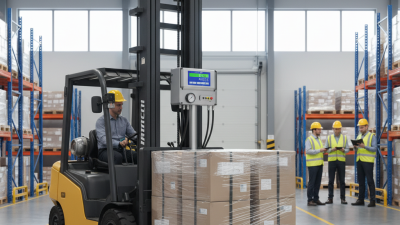
In today’s competitive market, choosing an Industrial Hydraulic Lift can significantly enhance operational efficiency. According to a recent report by the Material Handling Industry of America, the use of hydraulic lifts has increased by 25% in warehouses over the past five years. This growth highlights the need for businesses to adopt modern lifting solutions tailored to their operational needs.
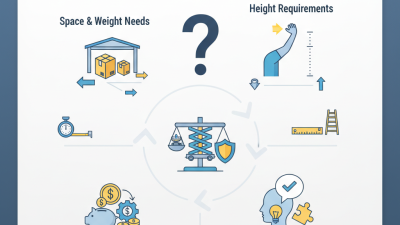
Industrial Hydraulic Lifts are versatile and can handle heavy loads with ease. They provide a safe method for transporting goods between different levels. Notably, a study by the Occupational Safety and Health Administration reveals that proper lifting equipment can reduce workplace accidents by over 30%. However, businesses must consider their specific requirements to select the right type of lift.
While the benefits are clear, some companies face challenges with initial costs and maintenance. Effective training and regular inspections are crucial. Investing in an Industrial Hydraulic Lift requires careful strategy and planning. It's essential to weigh cost against potential improvements in safety and productivity.
Understanding the Basics of Industrial Hydraulic Lifts in Business Operations
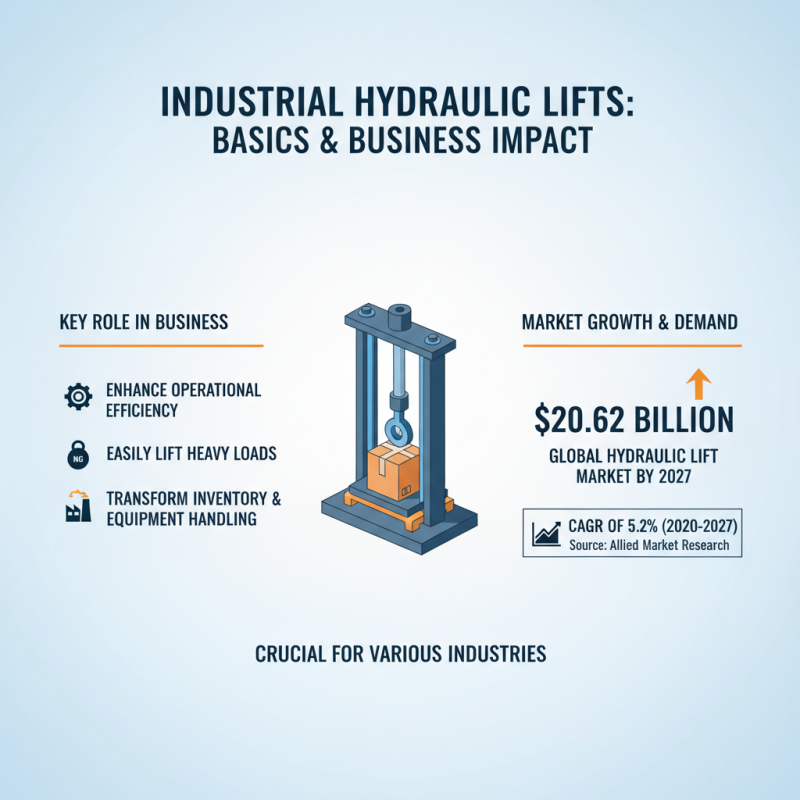
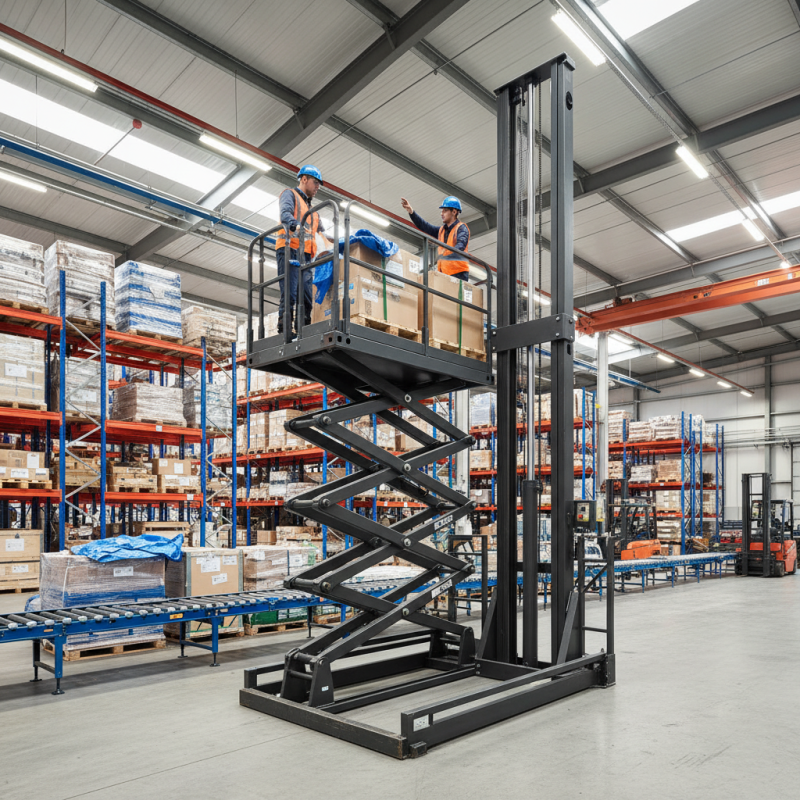
Industrial hydraulic lifts play a crucial role in enhancing operational efficiency. They are designed to lift heavy loads with ease, transforming how businesses handle inventory and equipment. According to a report by Allied Market Research, the global hydraulic lift market is expected to reach $20.62 billion by 2027, growing at a CAGR of 5.2% from 2020. This underscores the significant demand for these systems across various industries.
Implementing hydraulic lifts in warehouses or manufacturing plants can significantly reduce worker strain. Many companies report a 30% increase in productivity when utilizing hydraulic lifts. These systems offer safety features, minimizing the risk of accidents during heavy lifting. However, companies must regularly evaluate their lift systems. Maintenance can be overlooked, leading to increased operating costs and potential downtime.
Employees need proper training to operate hydraulic lifts safely. Lack of knowledge can lead to improper use, increasing risks. Thus, balancing efficiency with safety is key. Investing in hydraulic lifts may seem costly, but they can ultimately streamline operations and enhance productivity. Ensuring reliability and effectiveness in these systems is essential for long-term success.
Key Benefits of Using Hydraulic Lifts for Efficient Material Handling
Hydraulic lifts stand out in the world of material handling. They offer a range of benefits that enhance operational efficiency. One major advantage is their ability to handle heavy loads easily. These lifts use hydraulic power, making it simpler to raise or lower items. This can significantly reduce physical strain on workers.
Moreover, hydraulic lifts are highly versatile. They can be adapted to different types of materials and environments. From warehouses to manufacturing floors, they serve multiple purposes. Their design allows for smooth operation, minimizing the risk of accidents. However, it’s crucial to ensure regular maintenance. Neglecting upkeep can lead to inefficiencies or safety hazards.
Training staff on proper usage is also vital. Even with advanced technology, human error can lead to mistakes. A lack of experience can compromise safety. Thus, investing time in training is essential. In conclusion, while hydraulic lifts offer many benefits, responsible use is key. They require a balance of efficiency and safety for optimal functionality.
Comparative Analysis: Hydraulic Lifts vs. Traditional Lifting Equipment
When considering lifting equipment for industrial use, hydraulic lifts stand out against traditional options. Hydraulic lifts provide exceptional lifting power and efficiency. They operate using fluid under pressure, allowing them to lift heavy loads smoothly. In contrast, traditional equipment often relies on mechanical systems, which can wear out over time. This durability can save businesses money in maintenance.
Tips: Evaluate your load requirements. Understand the weight and size of materials you need to handle. Hydraulic lifts can handle substantial capacities effortlessly. Regular training for your team is crucial. Ensure operators are familiar with the lift’s features and safety precautions.
Safety is another vital aspect. Hydraulic lifts come with built-in safety features like auto-locking mechanisms. Traditional lifts may lack these modern safeguards, leading to potential hazards. Businesses should conduct regular inspections. Check for leaks or wear in hydraulic systems. Creating a maintenance schedule is essential for preventing unexpected downtime.
While hydraulic lifts offer many advantages, they can have a steeper initial cost. Businesses should weigh the long-term benefits against the upfront investment. Engaging with experts in the field can provide insights into the best options for your specific needs.
Why Choose an Industrial Hydraulic Lift for Your Business? - Comparative Analysis: Hydraulic Lifts vs. Traditional Lifting Equipment
| Feature |
Hydraulic Lifts |
Traditional Lifting Equipment |
| Load Capacity |
Up to 100,000 lbs |
Up to 25,000 lbs |
| Speed of Operation |
Rapid lifting and lowering |
Slower, manual operation |
| Energy Efficiency |
High (uses hydraulic fluid) |
Variable (depends on manual effort) |
| Maintenance Requirements |
Moderate (regular fluid checks) |
High (frequent repairs needed) |
| Safety Features |
Enhanced (multiple safety locks) |
Basic (limited safety precautions) |
| Cost of Ownership |
Higher initial cost, lower operational costs |
Lower initial cost, higher operational costs |
Industry Applications: Where Hydraulic Lifts Excel in Warehouse Settings
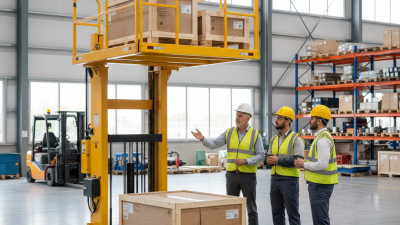
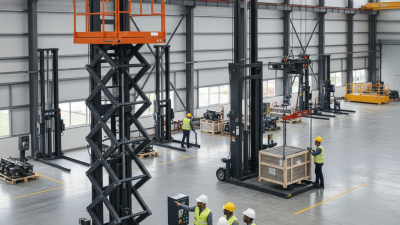
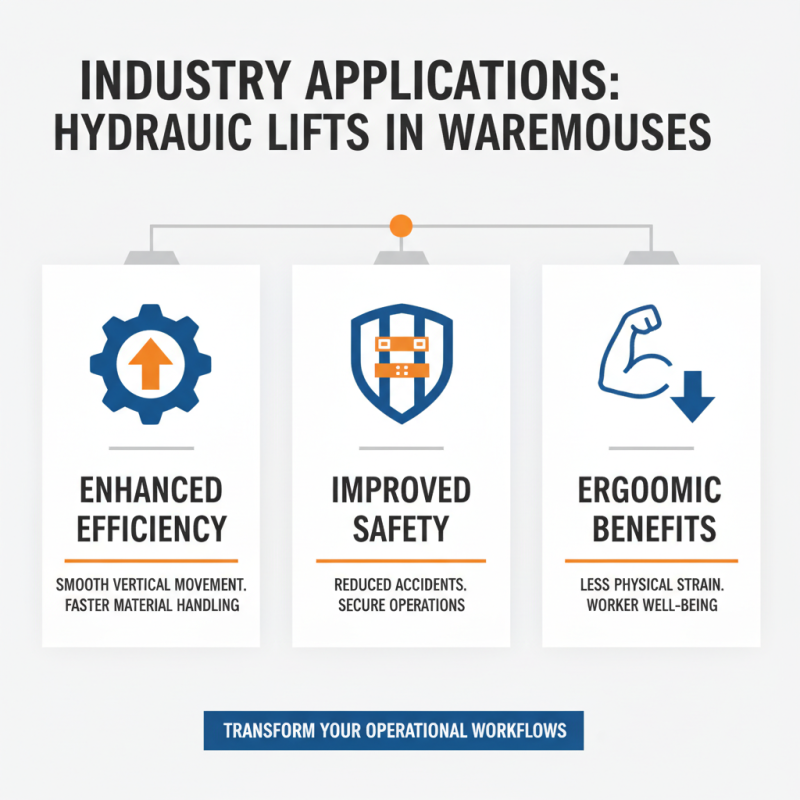
Hydraulic lifts are pivotal in warehouse settings. They enhance efficiency and safety during material handling. Their designs allow for smooth vertical movement, which mitigates accidents. In busy warehouses, workers benefit from these lifts, reducing physical strain. Choosing the right hydraulic lift can transform operational workflows.
Tips: Ensure to assess the weight capacity required for your operations. Consider the height range that best suits your storage layout. Regular maintenance checks can prevent unexpected downtimes and prolong the lift's lifespan.
Many industries leverage hydraulic lifts for loading, unloading, and transporting. Manufacturing plants use them for assembly lines. Retailers often rely on hydraulic lifts for stock replenishment. By providing seamless access to varying elevations, these lifts streamline various tasks. Their versatility is evident in diverse applications.
Tips: Train staff to use hydraulic lifts correctly. This can significantly lower the risk of workplace injuries. Involve employees in safety discussions to increase awareness and accountability.
Safety Standards and Compliance for Hydraulic Lifts in Commercial Use
When selecting an industrial hydraulic lift, understanding safety standards is crucial. According to OSHA, about 90% of workplace accidents are preventable. This includes incidents involving lifts. Compliance with safety regulations reduces risks significantly. Industries must adhere to standards set by organizations such as ASME. These standards ensure that lifts meet required safety measures.
Certified lifts often undergo rigorous testing. A report from the National Safety Council indicates that companies using compliant lifts reduce workplace injuries by 30%. Regular maintenance also plays a role in safety. Many businesses overlook the importance of routine checks, which can lead to failures. Without proper oversight, the risk of injury increases.
Training is another critical factor. Employees must understand how to operate lifts safely. Statistics show that inadequate training contributes to a large percentage of lift-related accidents. Investing in thorough training programs is essential. Companies often need to reflect on their safety practices to minimize risks. A proactive approach to lift safety may result in fewer incidents and a more productive work environment.