How to Choose the Best Trolley Crane Hoist for Your Needs?
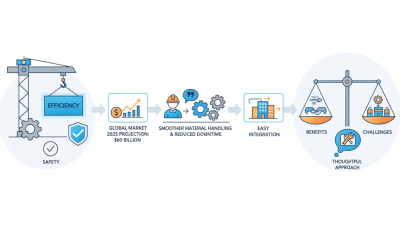
When selecting a Trolley Crane Hoist, understanding your specific needs is crucial. The global material handling equipment market is projected to reach $250 billion by 2027, with hoists playing a key role in this growth. Hoists improve efficiency and safety in various industries, including construction and manufacturing.
The right Trolley Crane Hoist can enhance productivity. Yet, many users find themselves uncertain about the choices available. Common issues arise when the hoist does not meet operational demands or safety standards. Recent studies show that equipment failures or mismatches can lead to significant financial losses.
Choosing the best Trolley Crane Hoist requires careful consideration. Manufacturers provide numerous options, each with unique specifications. Research indicates that understanding load capacities, lift heights, and control systems can significantly impact your decision. Making informed choices can boost both performance and safety.
Factors to Consider When Selecting a Trolley Crane Hoist
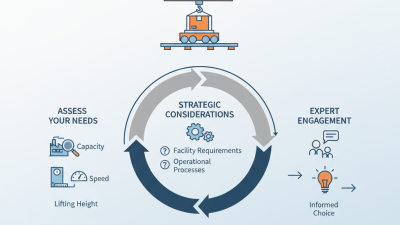
When choosing a trolley crane hoist, several factors are crucial. Load capacity is perhaps the most vital aspect. You need to assess the heaviest loads you will lift. Ensure the hoist can handle at least that weight, considering safety margins. An inadequate capacity can lead to dangerous situations.
Speed and control are important too. Some jobs require quick movements, while others need precision. Look for hoists with adjustable speeds. This feature allows you to adapt your performance based on the task at hand.
The environment where you will use the hoist matters as well. Outdoor conditions can expose machinery to elements like moisture and dust. Choosing a hoist with proper weatherproofing ensures durability. Reflecting on maintenance needs can also guide your choice. Regular upkeep is essential for safety and performance but can be overlooked. It’s worth considering how easily you can access parts for repairs.
Understanding Different Types of Trolley Crane Hoists Available
When selecting a trolley crane hoist, it is essential to understand the various types available in the market. These hoists typically fall into two main categories: electric and manual.
Electric trolley hoists are popular for their efficiency. According to industry reports, they can lift loads exceeding 2 tons with precision and speed. On the other hand, manual trolley hoists are valued for their simplicity and cost-effectiveness. They may not have the lifting capacity of electric models, but they require no power source, making them ideal for smaller operations.
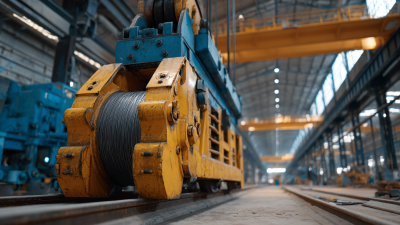
Another key consideration is the type of drive mechanism. Chain-driven hoists are robust and suitable for heavy-duty applications. In contrast, wire rope hoists are advantageous for lifting at significant heights. They are often used in construction and manufacturing sectors for their reliability.
It's noteworthy that around 25% of operational issues arise from the incorrect choice of hoist type. Selecting a hoist that matches the application can significantly reduce downtime and increase safety.
Additionally, the load capacity is a critical factor. It should exceed the maximum load to be lifted by at least 20%. This safety margin is crucial to prevent accidents. Data indicates that improper load management can lead to a 15% decrease in productivity.
Understanding different types of trolley crane hoists will enable users to choose the best one for their specific needs while ensuring effectiveness and safety.
Evaluating Load Capacity Requirements for Your Operations
When choosing a trolley crane hoist, evaluating load capacity is crucial for safe and efficient operations. The load capacity directly impacts the types of tasks you can perform. According to data from the American Society of Mechanical Engineers, overloading is a common cause of accidents in lifting operations, emphasizing the need for precise calculations.
Specific load requirements vary based on your industry. For instance, construction tasks often necessitate hoists with a capacity over 2 tons, while smaller applications may require only 500 kg. Understanding your needs, such as the heaviest load you expect to lift, helps in selecting the right hoist. Remember, selecting a hoist rated higher than your maximum requirement offers an added safety margin.
Careful analysis is necessary when assessing your capacity needs. Take time to consider factors like lifting height, frequency of use, and environment. Striking the right balance could enhance performance and longevity of your equipment. An incorrectly rated hoist can lead to inefficiencies and increased maintenance costs.
Heavy-duty operations may require more robust features. Look for hoists designed with durable components and safety mechanisms. Regularly consult industry safety standards and guidelines. They can provide insights on appropriate practices for your specific setting.
Load Capacity Requirements for Trolley Crane Hoists
Assessing Hook Height and Lift Speed for Optimal Performance
When selecting a trolley crane hoist, two critical factors must be considered: hook height and lift speed. The ideal hook height directly impacts how effectively materials can be lifted and maneuvered. According to industry standards, a hook height that allows for a minimum of 2.5 meters from the ground can enhance safety and operational efficiency. Insufficient height can lead to accidents or hinder workflow.
Lift speed is equally essential for ensuring optimal performance. A hoist with a speed of 2 to 10 meters per minute is often ideal for balancing efficiency with safety. However, the speed should match the application type. For heavy lifting, slower speeds ensure stability, while faster speeds are suitable for light, repetitive tasks. A report by the Material Handling Industry indicates that adjusting lift speed can improve productivity by up to 25% in certain environments. However, it’s important to reassess these specifications regularly. Factors like load weight and operational frequency can affect performance outcomes.
Maintaining flexibility in your choices is vital. The specifications that seem perfect today may not hold for future needs. Regular evaluations and adjustments can allow for better alignment with operational demands. This approach not only enhances performance but also prolongs the equipment’s lifespan, ensuring you make the most of your investment.
How to Choose the Best Trolley Crane Hoist for Your Needs?
| Type of Hoist |
Hook Height (meters) |
Lift Speed (m/min) |
Load Capacity (kg) |
Power Supply (V) |
| Electric Chain Hoist |
3 |
8 |
500 |
220 |
| Manual Chain Hoist |
2.5 |
N/A |
1000 |
N/A |
| Electric Wire Rope Hoist |
4 |
10 |
2000 |
380 |
| Air Hoist |
3.5 |
12 |
750 |
Pneumatic |
| Portable Electric Hoist |
2 |
16 |
300 |
220 |
Analyzing Safety Features and Compliance Standards in Hoists
When selecting a trolley crane hoist, safety features and compliance standards are essential. It's vital to consider what standards apply to your workspace. Understanding these regulations helps ensure that you meet safety requirements. The compliance standards can vary by region and industry. Always check local guidelines to understand what applies to your specific needs.
Key safety features include overload protection, emergency stop buttons, and safety locks. These mechanisms prevent accidents and protect workers. Regular maintenance of these safety features is crucial. A neglected hoist can lead to dangerous situations. Consider scheduling routine checks, even if the hoist seems to function well.
Watch for warning signals and indicator lights. They serve as vital communication tools for operator awareness. Nonetheless, operators should never rely solely on technology. Training and experience play a significant role in safe operation. Understanding how to respond to alerts is just as important as the equipment itself. Take time to train all operators on safety procedures, emphasizing the critical nature of compliance standards.