How to Choose the Best Hydraulic Cargo Lift for Your Business?
Choosing the right Hydraulic Cargo Lift for your business is crucial for operational efficiency. According to a recent report by Grand View Research, the global hydraulic cargo lift market is expected to reach $6.5 billion by 2026. This growth reflects the increasing demand for safer and more efficient ways to transport goods vertically within various industries.
Industry expert John Smith, a renowned consultant in material handling, states, "Investing in the right Hydraulic Cargo Lift can significantly enhance productivity." His insights emphasize the importance of selecting equipment that meets your specific needs. Factors such as load capacity, speed, and maintenance are essential to consider. Many businesses overlook these aspects, leading to potential inefficiencies and safety risks.
Selecting a Hydraulic Cargo Lift is not just about choosing the cheapest option. It requires careful assessment and planning. Businesses often underestimate the complexities involved. A thorough understanding of your operational requirements will lead to better long-term decisions. Balancing cost with quality and functionality is key. Making the right choice can profoundly impact your overall success and safety standards.
Understanding the Different Types of Hydraulic Cargo Lifts Available
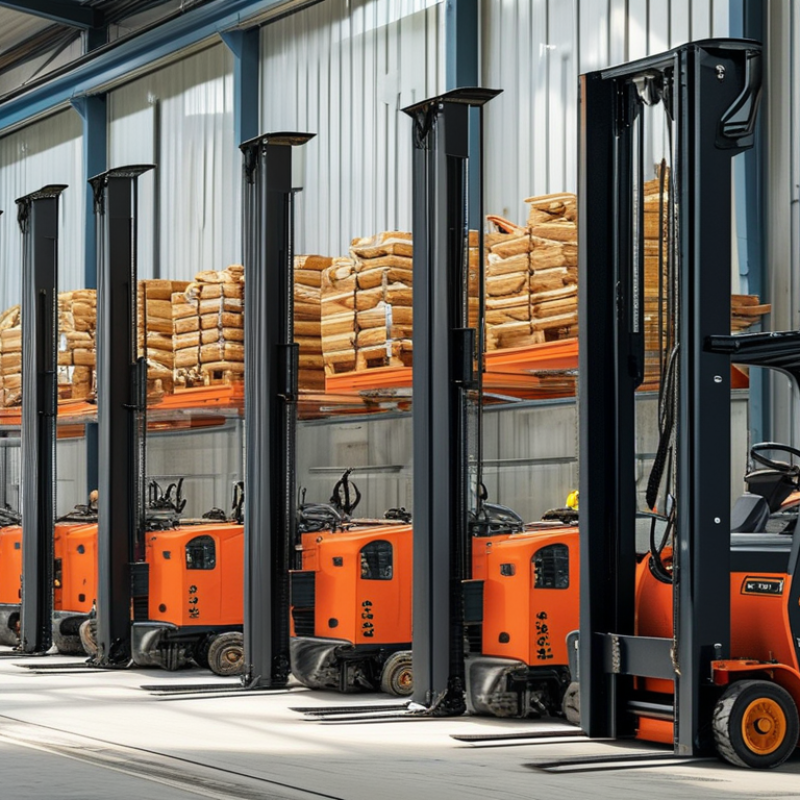
When selecting a hydraulic cargo lift, it’s crucial to understand the various types available. Different businesses have unique needs. Some may require a lift that operates indoors, while others need one for outdoor use. Consider the weight capacity and size of the lift. Heavy-duty models can handle significant loads, but smaller lifts may suffice for light tasks.
Another aspect to ponder is the mechanism of the hydraulic lift. Common types include scissor lifts and vertical lifts. Scissor lifts offer greater stability for heavier items, while vertical lifts are designed for straightforward vertical movement. Assess the space available for installation. Some lifts require more room for operation, which might limit your options.
Also, analyze safety features. Reliable lifts have safety guards and emergency stop buttons. Often, businesses overlook the maintenance required for these hydraulic systems. Regular check-ups can prevent accidents but can be hard to fit into a busy schedule. Reflecting on these factors can help ensure the lift chosen meets your operational demands effectively.
Key Factors to Consider When Choosing a Hydraulic Cargo Lift
When selecting a hydraulic cargo lift, several key factors come into play. One crucial aspect is the lift's load capacity. According to industry data, choosing a lift with adequate capacity is vital. It should not only meet your current needs but also accommodate potential future demands. Many businesses underestimate their growth potential, leading to capacity issues down the line.
Safety should never be compromised. Ensure that the hydraulic lift adheres to safety regulations and features like emergency stop buttons and overload sensors. A report from the Occupational Safety and Health Administration indicates that equipment compliance significantly reduces workplace accidents. A safe lift enhances employee confidence and efficiency.
Tip: Always conduct a thorough assessment of your loading area. Measure the lift’s dimensions carefully to avoid installation issues.
Energy efficiency is another vital consideration. Hydraulic lifts can consume considerable power, impacting operating costs. Look for energy-efficient models that provide significant long-term savings. Investing in technology that optimizes energy use can yield returns over time.
Tip: Regular maintenance is essential for reliability. Schedule routine checks to keep your lift in top condition. This small step often prevents larger, costly issues.
Choosing the right hydraulic cargo lift involves careful thought and planning. Balancing load capacity, safety, and energy efficiency will support your operations effectively.
Evaluating Load Capacity and Lift Height for Your Business Needs
When selecting a hydraulic cargo lift, load capacity and lift height are vital considerations. The lift must accommodate your heaviest items. Assess what products will be transferred. For example, a lift rated at 5,000 lbs might be perfect for heavy machinery, while lighter items could require less. Understanding the weight limits helps avoid operational risks and equipment failure.
Lift height is equally crucial. Evaluate your warehouse or business layout. Does your space have high ceilings? A taller lift may maximize efficiency, allowing for better vertical storage solutions. If the height is too low, it could hinder movement. A lift with 10 feet of elevation can make a difference in optimizing your operations.
Consider future growth. Your needs may change as your business expands. A lift that fits current demands could soon become inadequate. Don't rush this decision. Take time to analyze your specific needs. Seek advice from industry experts to ensure you choose wisely. Investing in the right hydraulic lift pays off in the long run, supporting safe and efficient operations.
Load Capacity and Lift Height Evaluation for Hydraulic Cargo Lifts
Assessing Safety Features and Compliance Standards for Cargo Lifts
When selecting a hydraulic cargo lift, safety features and compliance with industry standards are paramount. Research indicates that over 25% of workplace injuries are related to manual material handling. Therefore, investing in lifts with advanced safety mechanisms can significantly reduce risk. Modern hydraulic lifts should include features such as overload sensors, automatic shut-off systems, and emergency lowering controls. These components are essential for ensuring safe operations.
Compliance with recognized standards is crucial. Organizations often follow guidelines set by the Occupational Safety and Health Administration (OSHA) and the American National Standards Institute (ANSI). For instance, ANSI A17.1 covers safety requirements for elevators and escalators, which applies to hydraulic lifts. Ensuring that your lift meets these standards can not only protect employees but also enhance your business's reputation.
However, achieving full compliance can be challenging. Many businesses overlook crucial elements that might lead to non-compliance, such as regular maintenance checks and staff training on safety protocols. It's essential to remain vigilant. Failing to implement comprehensive safety programs could expose your business to liability problems and operational disruptions.
Maintenance and Warranty Considerations for Hydraulic Cargo Lifts
When selecting a hydraulic cargo lift, maintenance and warranty considerations are essential. Regular maintenance helps ensure safe and efficient operation. Proper upkeep can extend the lifespan of your lift, ultimately saving costs over time. It's crucial to follow the manufacturer’s guidelines on service intervals and inspections.
Tips: Schedule maintenance checks quarterly. This proactive approach can catch potential issues early. Consider training staff on basic upkeep. Small tasks, like cleaning and lubrication, make a significant difference.
Warranty terms can vary significantly. A good warranty offers coverage for parts and labor. It’s vital to read through the warranty details. Pay close attention to what is included and excluded. Some manufacturers may require specific maintenance to keep the warranty valid.
Tips: Keep detailed records of all maintenance. This documentation is handy if warranty claims arise. Also, gauge the response time for service calls. Reliable support can minimize downtime. Avoiding prolonged equipment failure is crucial for productivity.