How to Choose the Best Scaffold Hoists for Your Projects?
Choosing the best scaffold hoists for your projects is crucial for efficiency and safety. The global scaffold hoist market is expected to grow significantly, with a projected compound annual growth rate (CAGR) of 5.2% through 2026, according to industry reports. This growth indicates a rising demand for high-quality scaffold hoists in construction and maintenance sectors.
Selecting the right scaffold hoist involves considering various factors. These include weight capacity, lift speed, and ease of installation. A hoist that can handle the specific loads is essential. Furthermore, looking at user reviews and expert recommendations can provide insights into reliability and performance. The wrong choice may lead to inefficiencies or safety risks.
While many brands offer a range of options, not all meet high industry standards. It’s important to assess certifications and manufacturer reputation. Engaging with industry professionals can also enhance your understanding of what features matter most. A thoughtful approach will help in making informed decisions.
Understanding Different Types of Scaffold Hoists and Their Applications
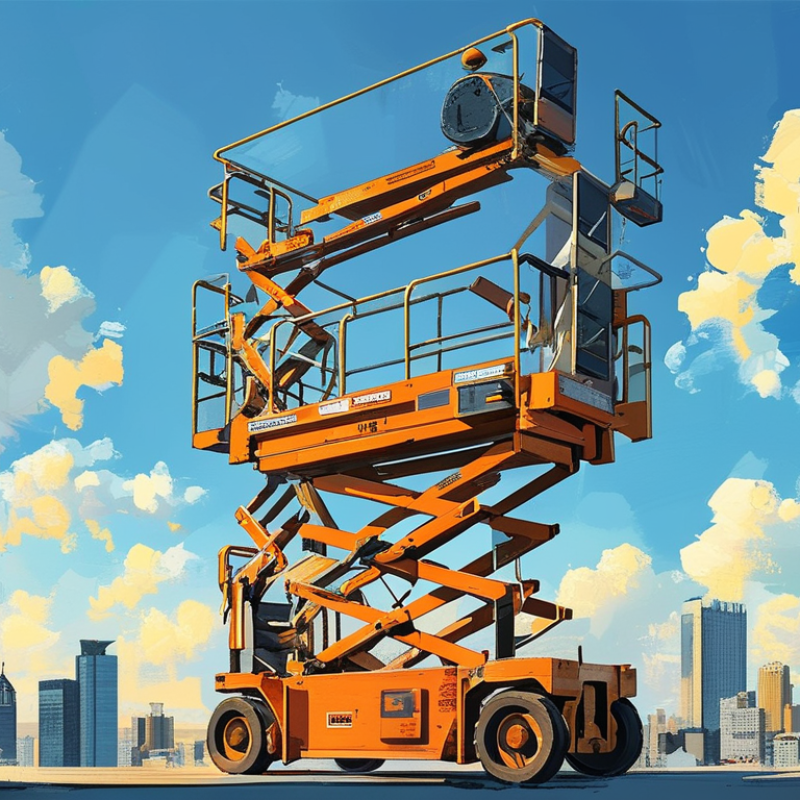
When choosing scaffold hoists, understanding their types is crucial. There are various types available, each designed for specific tasks. Electric hoists are popular for heavy lifting. They save time and reduce physical strain on workers. Manual hoists, on the other hand, are often lighter and more portable. These are useful in tight spaces where power access is limited.
Consider the workspace and the weight of materials. This directly affects which hoist is suitable. For instance, a construction site with a significant height may require a more robust, powered hoist. Safety features are vital too. Look for models with locking mechanisms or overload protection. These aspects ensure the workforce remains safe while operating the equipment.
Reflecting on selection criteria, every project is different. A hoist that works perfectly in one scenario may fall short in another. Test various models before making a decision if possible. Consult with experts when unsure. This collaborative approach enhances reliability and expert knowledge in hoisting applications.
How to Choose the Best Scaffold Hoists for Your Projects?
| Type of Scaffold Hoist |
Lifting Capacity |
Height Reach |
Power Source |
Typical Applications |
| Electric Scaffold Hoist |
500 kg |
30 m |
Electric Motor |
Construction, Renovation |
| Manual Scaffold Hoist |
250 kg |
15 m |
Manual Crank |
Light-duty tasks, Home Projects |
| Petrol Scaffold Hoist |
600 kg |
40 m |
Petrol Engine |
Heavy-duty applications, Industrial Sites |
| Wire Rope Hoist |
800 kg |
50 m |
Electric Motor |
Construction cranes, Large projects |
| Gear Rack Hoist |
400 kg |
25 m |
Electric Motor |
Façade work, Maintenance |
Key Factors to Consider When Selecting Scaffold Hoists for Projects
When selecting scaffold hoists for projects, several key factors must be considered. Load capacity is crucial. Knowing how much weight the hoist can handle is vital. Reports indicate that overloading is a common cause of accidents, making this a top priority. Typically, hoists can lift between 500 to 2,000 pounds. Choose one that fits your specific project needs without risking safety.
Another factor is the height of your worksite. Different hoists offer varied lifting heights. Some models reach up to 350 feet. Remember that taller jobs may require upgraded hoist models. The compatibility of the hoist with your scaffolding system is also essential. Ensure the hoist can be properly mounted and secured, as inadequate mounting can cause instability.
Consider the power source as well. Electric hoists need proximity to power outlets. In contrast, battery-operated and manual hoists provide more flexibility but may have limited lifting capabilities. Research shows that projects employing electric hoists often increase efficiency and reduce labor costs by up to 25%. It's important to weigh these benefits against potential drawbacks, such as dependence on weather conditions for battery-operated systems.
Comparing Load Capacities: What You Need to Know for Safety Standards
When selecting scaffold hoists, understanding load capacities is crucial. A reliable hoist must meet safety standards to protect workers. According to industry reports, the maximum load capacity for scaffold hoists usually ranges from 1,000 to 2,000 pounds. Choosing a hoist with a capacity below your project's requirements can risk failures and accidents.
Load testing should be a priority. Some studies indicate that nearly 20% of lifting failures occur due to inadequate understanding of load limits. Keep in mind that the effective capacity can be affected by environmental conditions. High winds or uneven surfaces may significantly reduce performance. Adjusting your hoist selection based on these considerations is essential.
Consider future project demands as well. Investing in a hoist with a higher load capacity can save costs down the line. With advancements in materials and technology, newer models offer enhanced safety features. However, always check for compliance with national safety regulations. The construction sector sees regular updates in these regulations, impacting hoist designs and safety standards. Being proactive in adapting to these changes can improve overall project safety.
Load Capacities of Scaffold Hoists
Evaluating Power Sources: Electric vs. Manual Scaffold Hoists
When choosing scaffold hoists, evaluating the power source is crucial.
Electric scaffold hoists are popular for their efficiency and ease of use. They typically lift heavier loads,
making them suitable for larger projects. For example, electric models can handle loads up to 1,500 pounds, significantly reducing manual labor.
On the other hand, manual scaffold hoists are simpler and less expensive. They rely on human strength, which can be a limitation for heavy tasks.
Statistics show that manual hoisting can slow down productivity by up to 40% compared to electric hoists.
However, they fit perfectly into smaller jobs where power sources are not available.
It’s important to consider the specific needs of your project. Electric hoists require a reliable power source and maintenance.
Yet, in remote areas, manual options remain versatile. Assessing the site and workload is essential for efficiency.
Ultimately, balance the costs and benefits of each power source based on your unique requirements.
Analyzing Cost vs. Performance for Optimal Scaffold Hoist Investment
When selecting scaffold hoists, balancing cost and performance is critical for project success. Research shows that investing in high-quality hoists can reduce operational downtime by up to 25%. This statistic highlights the importance of efficient machinery. However, cheap hoist options may seem attractive, often leading to higher maintenance costs. A report by the American Institute of Construction indicates that low-quality equipment can increase accident rates, which translates to increased expenses and potential legal issues.
Understanding the specifications of each hoist type is essential. For instance, a hoist with a higher load capacity may cost more initially but offers better long-term value. Data suggests that professional-grade hoists can lift loads up to 1,500 pounds with ease, while basic models might struggle at half that weight. Selecting reliable models often results in fewer breakdowns. This can save both time and money, proving that investing in quality is worthwhile, especially in professional settings.
Reflecting on the choice of scaffold hoists, one must question if lower initial costs compromise safety and efficiency. While budget constraints are real, the implications of subpar equipment can lead to unforeseen consequences. Investing wisely means analyzing the balance between upfront costs and long-term benefits, ensuring a safer and more efficient work environment.