What is a Micro Electric Hoist and How Does it Work?
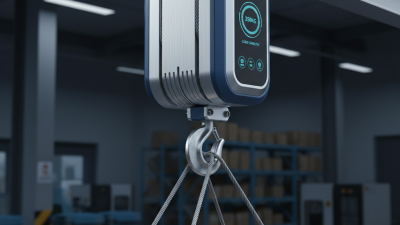
A Micro Electric Hoist is a powerful tool designed for lifting and moving heavy objects with ease. It operates using electric power, converting electrical energy into mechanical energy to raise or lower items. John Smith, an industry expert at Lift Solutions, once said, “Micro Electric Hoists are revolutionizing how we handle weight.” His insight emphasizes the efficiency they bring to various sectors.
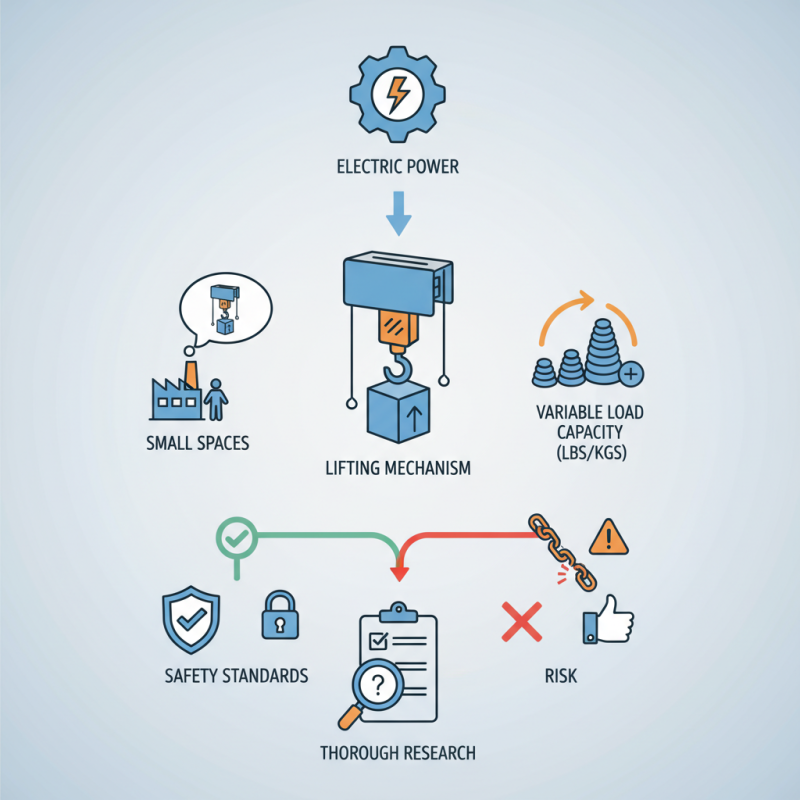
These hoists are compact and user-friendly. They are ideal for small spaces where traditional lifting systems cannot operate. Typically, they lift loads from a few pounds to several hundred, depending on the model. However, the market is crowded. Choosing the right hoist can be daunting for users.
While the technology has advanced, not every hoist meets safety standards. There are critical factors to consider, such as weight capacity and control systems. A poorly chosen hoist can lead to accidents. Therefore, conducting thorough research is essential. In the ever-evolving landscape of lifting solutions, the Micro Electric Hoist stands out, yet caution remains paramount.
What is a Micro Electric Hoist? Definition and Overview
A micro electric hoist is a compact lifting device designed for various applications. It is particularly useful for lifting heavy objects in tight spaces. These hoists often have load capacities ranging from 100 to 1000 pounds, making them versatile tools in both industrial and residential settings. They are powered by electric motors, allowing for smooth and controlled lifting.
Installation and operation are straightforward. Users can mount these hoists on beams, ceilings, or walls, depending on their needs. An important factor to consider is the hoist's weight and lifting speed. Typical speeds range from 10 to 30 feet per minute. These specifications can impact project timelines and efficiency. According to recent industry reports, the market for electric hoists is projected to grow by 5% annually due to their increasing popularity.
**Tip:** Consider the power source available at your location. If electricity is limited, a battery-operated micro electric hoist might be a better choice.
Maintenance is key for optimal performance. Regularly inspect the lifting cables and the motor's functionality. Signs of wear can lead to safety hazards. Note that while micro electric hoists offer efficiency, they can be less suitable for extremely heavy loads. This is where careful assessment of capacities becomes important.
**Tip:** Always consider your load requirements thoroughly. Exceeding the manufacturer's specifications can lead to damage or accidents.
Micro Electric Hoist Lift Capacity Comparison
This chart represents the lift capacity of micro electric hoists with varying weight limits, showcasing their effectiveness in diverse lifting applications. The data illustrates the gradual increase in lift capacity against the specified weights.
Key Components of Micro Electric Hoists: Design and Mechanics
Micro electric hoists are compact devices designed for lifting and moving lightweight materials. Their design is crucial for efficiency and safety. The key components include the motor, lifting mechanism, and control system. The motor typically runs on electricity, providing power to lift items smoothly.
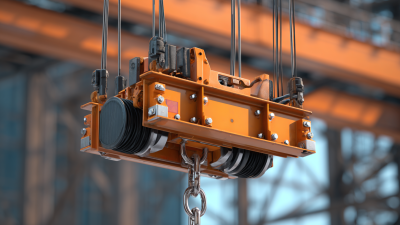
The lifting mechanism often consists of a durable rope or chain that wraps around a drum. When the motor activates, this drum turns, facilitating the elevation of the load. The control system, typically a remote or wired switch, allows users to maneuver the hoist from a safe distance. However, the interface can sometimes be confusing or less intuitive, creating challenges for operators.
Stability is vital, yet many users overlook the need for proper mounting. A well-anchored hoist reduces the risk of tipping during operation. Regular maintenance is necessary; neglect can lead to decreased performance or safety risks. Understanding the design and mechanics of these hoists can improve user experience and ensure safer operations.
What is a Micro Electric Hoist and How Does it Work? - Key Components of Micro Electric Hoists: Design and Mechanics
| Component |
Description |
Function |
| Motor |
Electric motor that provides the power for lifting |
Drives the hoist mechanism for lifting and lowering loads |
| Control System |
Integrated control unit for operation |
Allows user to operate the hoist safely and efficiently |
| Pulley |
Treaded wheel that supports the rope or chain |
Reduces friction and aids in lifting motion |
| Rope/Chain |
Flexible line or loop for lifting |
Transmits hoisting power from motor to the load |
| Frame |
Structural component supporting the hoist |
Provides stability and structural integrity during operations |
| Limit Switch |
Safety device that stops the motor |
Prevents overloading and damage to hoist and load |
How Micro Electric Hoists Operate: Motor and Control Systems
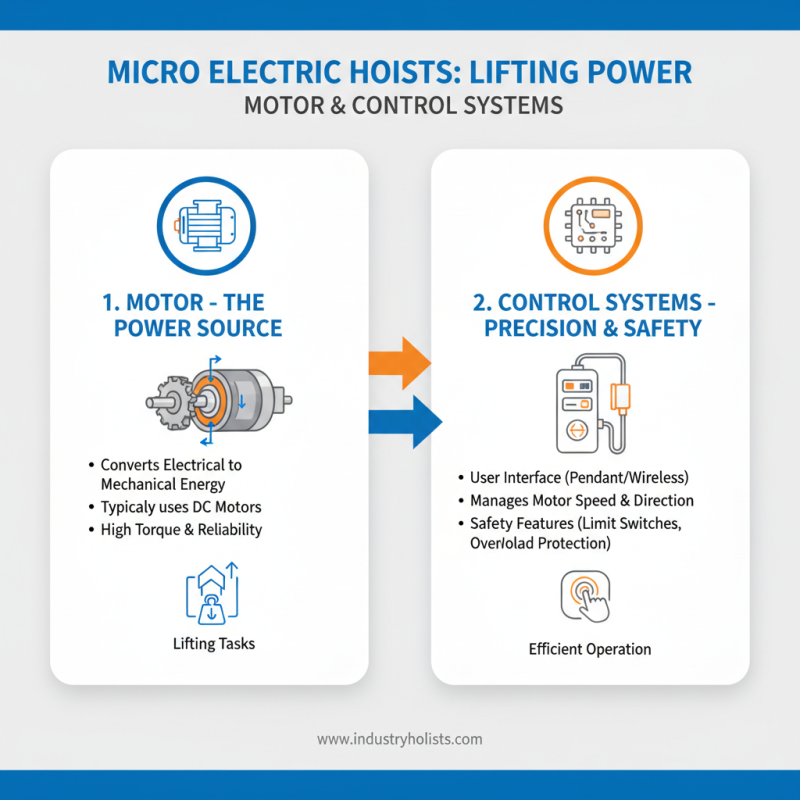
Micro electric hoists are essential tools in various industries, offering efficient lifting solutions. Their operation hinges on two central components: the motor and control systems. The motor serves as the power source, converting electrical energy into mechanical energy. Typically, these hoists use direct current (DC) motors, well-known for their torque and reliability in lifting tasks.
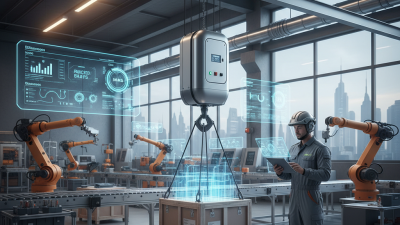
Control systems play a crucial role in the functionality of micro electric hoists. They ensure precise movements and safety during operations. Many models incorporate variable frequency drives (VFDs), enabling operators to adjust lifting speeds based on the load. According to a recent industry report, this flexibility has increased the appeal of micro electric hoists in manufacturing settings by nearly 25% over the past five years.
However, there are areas of improvement. Some control systems can be overly complex, leading to potential user errors. A study noted that nearly 15% of workplace accidents involving hoists are due to improper controls. This highlights the need for ongoing training and simplified interfaces. Users must stay vigilant and proactive in optimizing both motor efficiency and control clarity to enhance safety and productivity.
Applications of Micro Electric Hoists in Various Industries
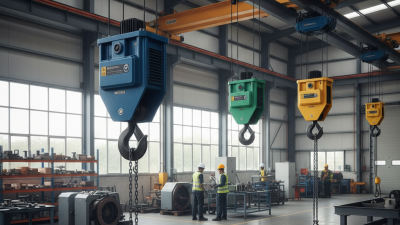
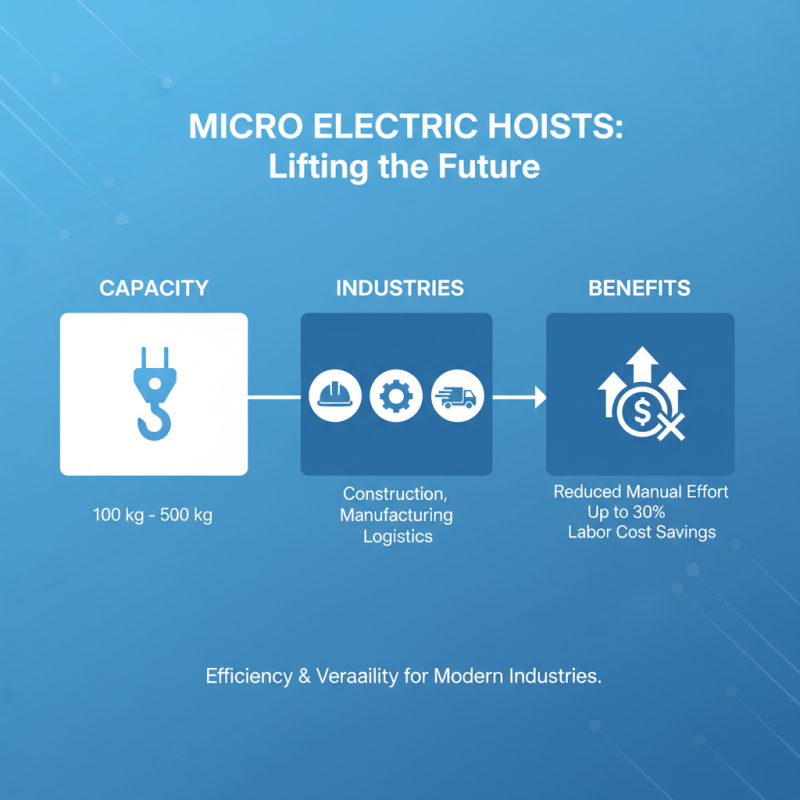
Micro electric hoists are gaining traction across various industries due to their efficiency and versatility. These compact devices offer a lifting capacity typically ranging from 100 kg to 500 kg. Construction, manufacturing, and logistics sectors benefit greatly from their unique capabilities. For instance, in construction, they can lift materials to heights with minimal manual effort. Reports show that using such hoists can reduce labor costs by up to 30% in specific tasks.
In the manufacturing sector, micro electric hoists streamline assembly lines. They help move heavy components quickly. This allows workers to focus on intricate tasks rather than on lifting heavy items. The automotive industry, for example, reports increased production speeds by incorporating these hoists into assembly processes. Their ability to operate in tight spaces is crucial.
**Tips:** Always consider the weight capacity before usage. Regular maintenance checks can prevent operational issues. Ensure operators are trained to maximize safety and performance. While micro electric hoists are effective, they may not be suitable for all applications. Assessing specific job requirements is vital to prevent potential mishaps. Industries must remain cautious and adaptable when integrating new technologies.
Safety Standards and Regulations for Micro Electric Hoist Use
Micro electric hoists are becoming increasingly popular across various industries. These devices lift heavy loads with ease, enabling enhanced productivity. However, safety standards and regulations are critical for their effective use. In many regions, the enforcement of safety guidelines ensures the protection of workers. According to the Occupational Safety and Health Administration (OSHA), compliance with safety regulations can reduce workplace accidents by up to 40%.
Regulations often require that micro electric hoists undergo regular inspections. These checks help to ensure mechanical integrity and operational safety. Equipment should also include features like overload protection and emergency stop functions. Surprisingly, many users overlook these essential factors. Neglecting proper maintenance can lead to accidents or equipment failure.
Training programs are vital for operators. The International Organization for Standardization (ISO) recommends that all users complete safety training before operating a micro electric hoist. Such training covers risk assessment and proper handling techniques. Despite best practices, operator error remains a concern. The human factor often creates vulnerabilities, impacting overall safety. Therefore, ongoing education and awareness are necessary for reducing risks and promoting safe operation.