2026 How to Choose the Best Micro Electric Hoist for Your Needs?
Choosing the right Micro Electric Hoist can significantly impact your efficiency and safety in various lifting tasks. These compact devices are designed for ease of use and portability, making them ideal for both home and industrial applications. However, selecting the best one for your needs requires careful consideration of various factors.
Understanding your specific requirements is crucial. Consider the weight capacity, lifting height, and power source. Different models offer varying features and functions. Some might be powerful but heavy, while others are lightweight yet underwhelming in performance. Users often struggle to balance strength with portability.
Moreover, reliability is a key factor. You want a Micro Electric Hoist from a reputable manufacturer. Evaluate customer reviews and seek expert opinions to ensure the product meets safety standards. Navigating the options can be overwhelming, but making an informed decision is essential for achieving optimal results in your lifting tasks.
Understanding Micro Electric Hoists and Their Applications
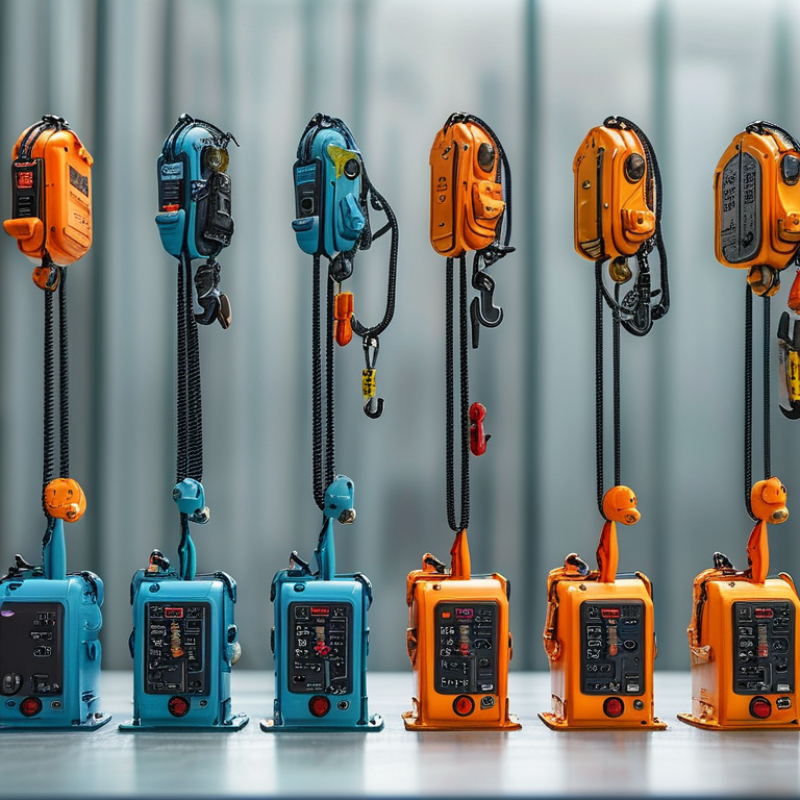
Micro electric hoists are versatile tools that can simplify lifting tasks in various applications. These small yet powerful devices are popular in construction, manufacturing, and home use. They can lift heavy materials, equipment, or even sports vehicles, making them essential in numerous situations. Understanding their unique capabilities helps you select the right hoist for your needs.
When choosing a micro electric hoist, consider its weight capacity. Some models can handle up to 1,000 pounds, while others are better suited for lighter loads. Match the hoist's capacity with the type of tasks you'll be performing. A hoist with a lower weight limit may struggle under heavier loads, causing safety issues. Also, dimensions matter. Make sure to check the hoist's size to ensure it fits in your workspace.
Reflecting on your project needs is crucial. Could a more powerful hoist save you time and effort? Sometimes, opting for a slightly higher capacity can enhance productivity. Pay attention to power sources too. Electric hoists may require a steady power source or a generator. Finally, always review product specifications carefully. Ensuring the right fit for your task is key to reliable operation and safety.
Key Specifications to Consider When Choosing a Micro Electric Hoist
When selecting the best micro electric hoist, understanding key specifications is essential. Load capacity is the first aspect to consider. For home or small-scale industrial use, a hoist with a capacity between 100 to 500 kg is often sufficient. However, do not overlook the importance of the working environment. Indoor hoists may require different features than those designed for outdoor use, given exposure to elements.
Speed and lift height are crucial specifications, too. Most micro electric hoists offer a lifting speed of 10 to 15 meters per minute. The average lift height can range from 10 to 30 meters. These numbers impact efficiency and productivity, especially in professional environments. Users must reflect on their specific needs, as underestimating these factors can lead to operational delays.
Consider the safety features integrated into the hoist. Overload protection, emergency stop buttons, and durable construction can prevent accidents. Always check for compliant standards in safety and performance. Regular maintenance and inspections also play a major role in reliability. Many users underestimate the importance of upkeep. Regular checks on cables and mechanical parts can prevent failures, ensuring smooth operations for years.
Micro Electric Hoist Load Capacity Comparison
Comparing Various Brands and Models of Micro Electric Hoists
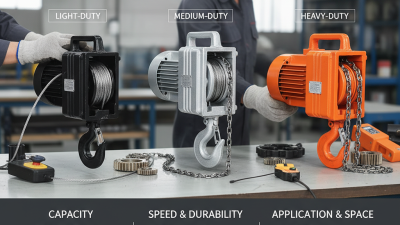
When choosing the best micro electric hoist, it's vital to assess the various models available. Each model can differ significantly in lifting capacity, speed, and durability. Some hoists are designed for light-duty tasks, while others can handle heavier loads. Carefully consider your intended use. Will you need it for home projects or industrial applications?
Many brands offer unique features, such as remote control operation or automatic overload protection. Dive into customer reviews to gain insights about reliability. Users often share experiences with various models. Some hoists may seem ideal but can disappoint in real-world performance.
Pay attention to safety features. A good hoist should include mechanisms to prevent accidents. It's worth reflecting on whether the brand prioritizes user safety over cost. Selecting the right hoist requires thorough research. Take your time to evaluate specifications and trial operations when possible. The right choice can significantly impact your efficiency and safety.
2026 How to Choose the Best Micro Electric Hoist for Your Needs?
| Model |
Load Capacity (lbs) |
Lifting Speed (ft/min) |
Power (W) |
Weight (lbs) |
Price ($) |
| Model A |
220 |
32 |
600 |
15 |
120 |
| Model B |
330 |
28 |
750 |
18 |
150 |
| Model C |
440 |
25 |
900 |
20 |
180 |
| Model D |
250 |
30 |
500 |
12 |
110 |
Assessing Weight Capacity and Lifting Speed for Your Needs
When selecting a micro electric hoist, understanding weight capacity is crucial. Different tasks require different lifting strengths. For instance, a hoist meant for home use may only need a capacity of 150 to 300 pounds. Commercial applications often demand much higher capacities, potentially exceeding 1,000 pounds. Assess your specific lifting requirements. Think about the most demanding load you plan to handle. Choosing a hoist with adequate capacity ensures safety and efficiency.
Lifting speed also plays a significant role in your selection. Speed varies widely among models. Some hoists operate at a brisk pace of 30 feet per minute, while others may lift much slower. Consider how this impacts your workflow. Rapid lifting might suit high-volume tasks. A slower speed could enhance precision for delicate operations. Striking the right balance is essential. If speed is prioritized, do not sacrifice weight capacity and vice versa. Consider your daily tasks and how each feature affects them. Reflect on what matters most for your application.
Evaluating Safety Features and Compliance Standards in Hoists
When choosing a micro electric hoist, safety features and compliance standards are vital. The Occupational Safety and Health Administration (OSHA) and the American National Standards Institute (ANSI) set guidelines for hoist safety. For instance, data from the American Society of Mechanical Engineers (ASME) notes that proper hoist inspection and maintenance can reduce accidents by over 30%. Understanding these compliance standards helps ensure your equipment is safe and reliable.
Assessing safety features is critical. Look for hoists with overload protection, which prevents lifting beyond capacity. Many models include emergency stop buttons and safety brakes, which are crucial in preventing accidents. A report by the National Institute for Occupational Safety and Health (NIOSH) underscores that the presence of these features significantly reduces injury risk in the workplace.
Choose hoists that comply with applicable standards and feature high-quality materials. Ensure that the hoist has clear labeling, indicating its weight capacity and safety instructions. Thoroughly review the manufacturer's documentation to understand safety ratings. Personal experiences can reveal flaws in equipment that aren't covered in reports. Regularly testing and inspecting your hoist can help you identify potential failures. Staying informed about the latest safety standards is a way to enhance workplace safety systematically.