Top Tips for Choosing the Right Micro Electric Hoist?
When selecting a Micro Electric Hoist, expert insights can guide your choice. James Turner, a leading authority in material handling solutions, emphasizes, "Choosing the right Micro Electric Hoist can make or break your project efficiency." His statement resonates throughout the industry.
The decision-making process involves more than just specifications. Factors such as weight capacity, lifting speed, and portability play vital roles. Some users overlook these essentials, leading to costly mistakes. A hoist that does not meet the requirements can hinder productivity and affect safety.
Additionally, consider the brand reputation and after-sales support. Some unfamiliar brands may offer attractive prices but lack reliable service. Trustworthy companies provide thorough information, ensuring you make an informed decision. Reflect on past experiences. Each choice impacts your work environment and overall satisfaction with the Micro Electric Hoist you select.
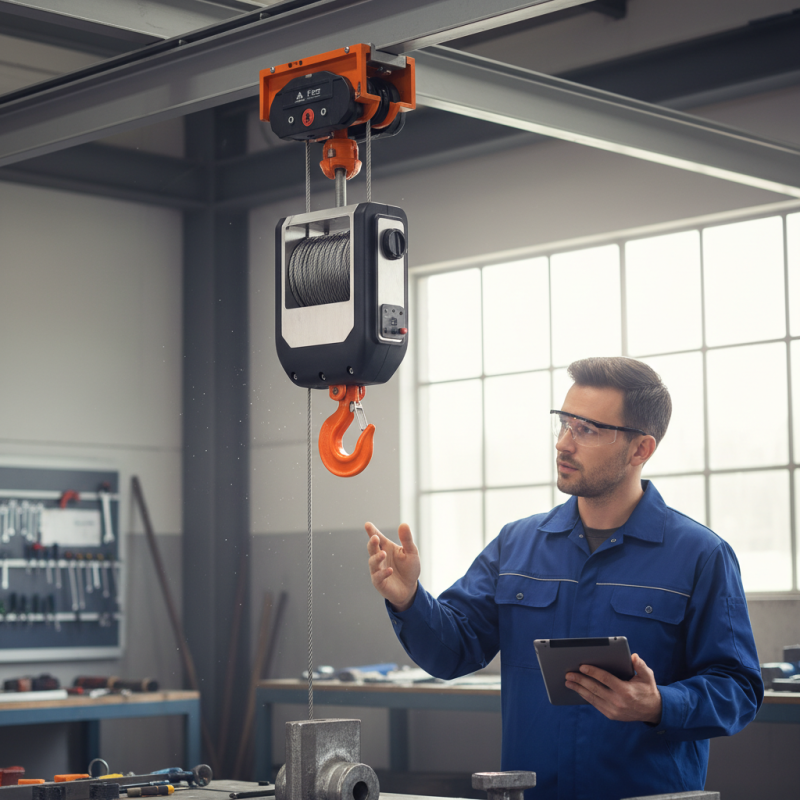
Factors to Consider When Selecting a Micro Electric Hoist
When selecting a micro electric hoist, several factors are essential for making the right choice. Understanding the weight capacity is crucial. Ensure the hoist can handle the load you intend to lift. Calculate the total weight, including any attachments or equipment. Not all hoists suit every lifting task.
Another important consideration is the lifting height. Assess how high the hoist needs to lift. Some applications may require more vertical reach. Think about clearance and safety measures. Ensure that the hoist can perform efficiently in your specific environment.
Maintenance and ease of use are often overlooked. A user-friendly design can save time and effort. Look for features like remote control and adjustable speeds. Regular upkeep is vital for performance. Neglecting this can lead to unsafe conditions or equipment failure.
Take your time to weigh these factors carefully. Choose a micro electric hoist that aligns with your needs and ensures reliability for years to come.
Understanding Load Capacity Ratings for Micro Electric Hoists
When selecting a micro electric hoist, understanding load capacity ratings is crucial. Load capacity directly influences safety and efficiency. According to industry reports, many accidents in handling equipment occur due to exceeding capacity limits. For a micro electric hoist, typical load capacities can range from 220 lbs to over 1,000 lbs. Users must determine their specific needs based on the materials they handle.
It's essential to factor in the actual weight of the load. Operators often underestimate additional items like slings or hooks. This can lead to unexpected strain on the hoist. For instance, a 500 lbs load may, in reality, weigh closer to 600 lbs when including attachments.
Moreover, micro electric hoists usually come with specific duty cycle ratings. Understanding these ratings helps prevent overheating and mechanical issues. Many reports indicate that consistent overloading can reduce lifespan by 30% or more. Monitoring usage and regularly assessing the load can mitigate risks, ensuring that the equipment remains reliable.
Load Capacity Ratings for Micro Electric Hoists
This chart illustrates the load capacity ratings for various micro electric hoist models. Understanding these ratings helps in selecting the right hoist for your lifting needs.
Evaluating Power Supply Options for Micro Electric Hoists
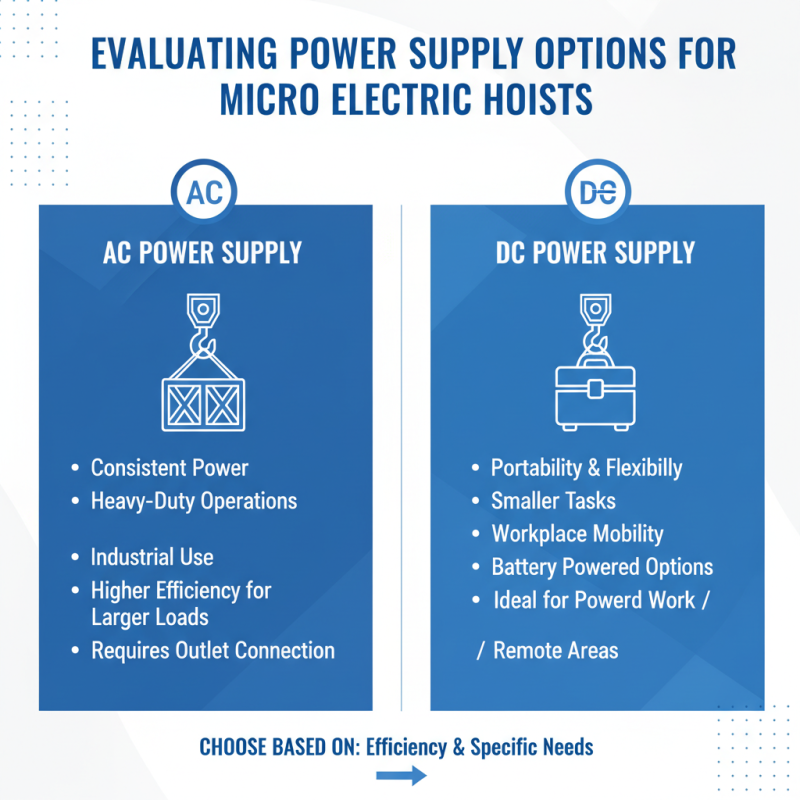
When selecting a micro electric hoist, the power supply option is crucial. It directly influences the hoist's efficiency and suitability for your specific needs. Generally, you can choose between AC and DC power supplies. AC systems provide consistent power for heavy-duty operations, while DC options offer portability and flexibility for smaller tasks.
Evaluate your project requirements. If you need to lift heavy loads frequently, an AC-powered hoist might be ideal. However, if you are working in tight spaces or moving equipment outdoors, a battery-operated DC hoist could be more advantageous. Keep in mind that a rechargeable battery can save costs in the long run, but it requires regular maintenance.
Also, consider the voltage ratings of your power sources. Different applications may call for varying voltages for optimal performance. A mismatch can lead to inefficiencies or even malfunctions. Most importantly, ensure that your power supply can handle the hoist's load capacity to maintain safety and reliability in your operations. Balancing these factors is key to making the right choice.
Key Safety Features in Micro Electric Hoists You Should Know
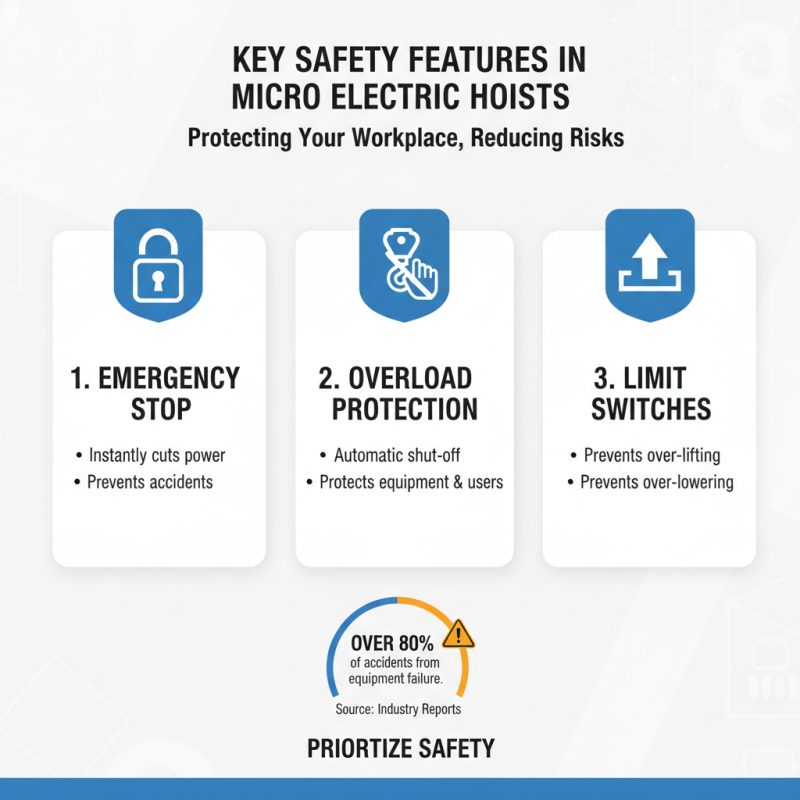
When selecting a micro electric hoist, understanding safety features is crucial. According to industry reports, over 80% of workplace accidents can be attributed to equipment failure. Thus, prioritizing safety can significantly reduce these risks.
One essential feature is the overload protection. This prevents the hoist from lifting beyond its capacity, which can cause accidents or equipment damage. Another key aspect is the emergency stop button. It allows for immediate cessation of operation, ensuring swift response in emergencies. Regular maintenance checks are vital. These checks help identify potential issues before they escalate.
Furthermore, consider hoists equipped with automatic braking systems. These systems provide reliable stopping power, significantly lowering the risk of dropping loads. Always look for certifications from recognized safety organizations. This ensures you are investing in a reliable product. Remember, your choice can impact safety and efficiency.
Comparing Brands and Models of Micro Electric Hoists
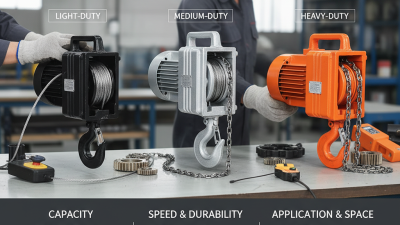
When considering micro electric hoists, comparing different brands and models is crucial. Look at lifting capacity first. Some hoists handle up to 500 pounds, while others may only lift 200 pounds. This difference can impact your choice significantly. Moreover, the height of lift varies too. Some options allow for higher lifts, making them more versatile for different tasks.
Next, examine the hoist’s features. Some come with remote controls, while others require manual operation. This can affect ease of use. Check the durability as well. Construction materials play a big role in reliability over time. Many affordable models might use lighter materials, leading to wear and tear more quickly.
Also, consider customer reviews that point to real-world performance. Reviews can shed light on common issues, such as breakdowns or inefficiencies. However, not all feedback is reliable. Some reviews may be overly positive or negative. Gathering insights from diverse sources helps in making an informed decision. Ultimately, the right choice lies in finding a balance between your needs and the amplifier's capabilities.
Top Tips for Choosing the Right Micro Electric Hoist
| Model |
Load Capacity (kg) |
Lift Height (m) |
Speed (m/min) |
Power (W) |
Weight (kg) |
Features |
| Model A |
200 |
10 |
8 |
600 |
15 |
Compact design, Remote control |
| Model B |
250 |
12 |
6 |
800 |
20 |
Overload protection, Durable casing |
| Model C |
150 |
8 |
5 |
500 |
12 |
Lightweight, Easy to use |
| Model D |
300 |
15 |
7 |
900 |
25 |
Advanced safety features, High durability |