Top Hydraulic Hoist Types for Global Buyers in 2026?
In the evolving world of construction and industrial applications, the demand for efficient lifting solutions is at an all-time high. Hydraulic hoists have emerged as vital tools for safer and more effective operations. The global market for hydraulic hoists is projected to grow by 2026, highlighting their increasing significance.
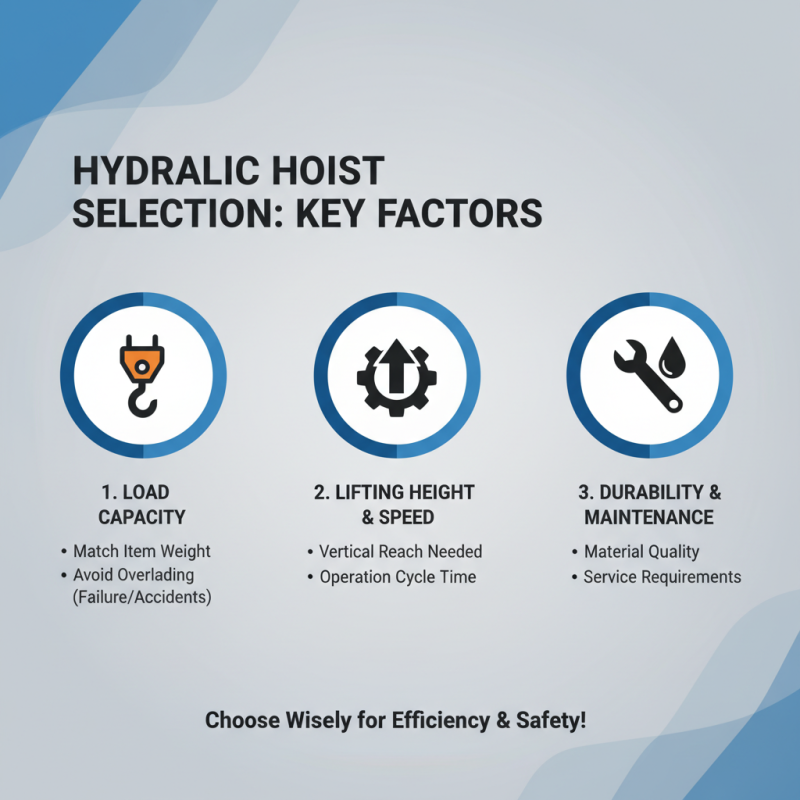
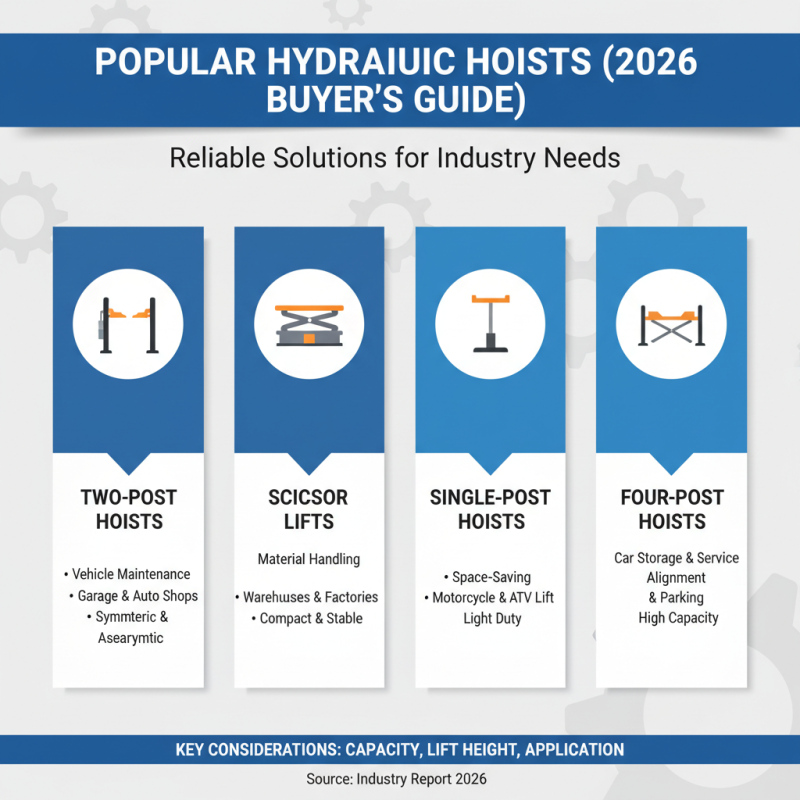
Various types of hydraulic hoists cater to different needs. Each type has its features and specifications, making it essential to understand their distinctions. Factors such as load capacity, lifting speed, and portability are crucial when selecting the right hydraulic hoist. Buyers must also consider the specific applications they will use these hoists for.
Nevertheless, challenges persist. For instance, maintaining hydraulic systems requires regular checks to avoid malfunction. Users must remain vigilant about safety protocols when employing hydraulic hoists. Understanding these complexities can lead to better choices and enhance operational efficiency in industries worldwide.

Overview of Hydraulic Hoists and Their Applications
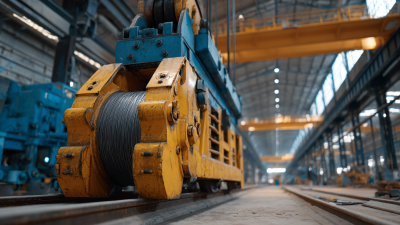
Hydraulic hoists are vital tools in construction, manufacturing, and shipping. They provide efficient lifting solutions for heavy loads. These hoists use hydraulic power to lift objects with precision, making them essential in various industrial applications. Their robust design ensures safety while handling significant weights.
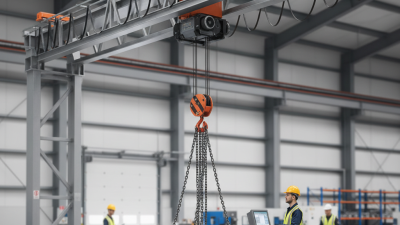
Different types of hydraulic hoists suit diverse needs. Chain hoists are common, offering versatility in tight spaces. Floor-operated hoists allow for lifting and lowering with ease. Some designs feature remote control, enhancing usability and safety. However, these types can come with maintenance challenges, and understanding each type’s limitations is crucial.
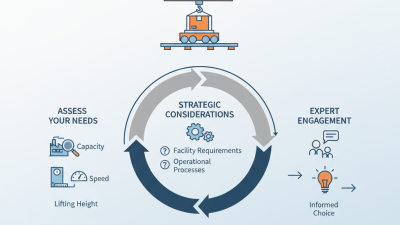
Investing in hydraulic hoists requires careful consideration. Buyers should assess their operational needs, load capacities, and safety features. Reliability is key; a malfunction can lead to expensive downtime. While hydraulic hoists greatly enhance productivity, regular inspections and appropriate training for operators are essential to minimize risks.
Trends and Innovations in Hydraulic Hoist Technology by 2026
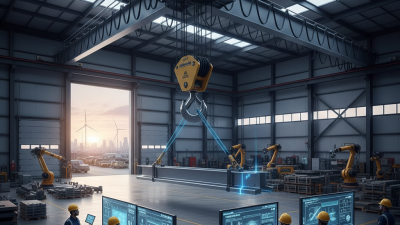
Hydraulic hoists are adapting rapidly. The trends in 2026 focus on improving efficiency and safety. Advanced materials are now being used for a lighter weight and greater strength. Innovations in smart technology are also revolutionizing hoist operation. Sensors and automation make the lifting process more precise and safer, reducing the risk of accidents.
Sustainability is another core focus. Manufacturers are exploring eco-friendly hydraulic fluids and energy-efficient designs. This shift not only addresses environmental concerns but also can lead to cost savings in operations. However, some hoisting solutions may still not meet every industry’s specific needs. The balance between innovation and practicality often requires careful consideration.
Training for operators is becoming crucial. New technologies can add complexity. Ensuring that users are well-versed is essential in preventing mishaps. Hydraulic hoists must be effective while being user-friendly. The challenge remains in achieving perfection in these innovations. Constant feedback will be needed to fine-tune both design and functionality.
Global Market Insights: Demand and Supply of Hydraulic Hoists
The demand for hydraulic hoists is on the rise as industries expand globally. In 2026, the hydraulic hoist market is projected to reach approximately $4.5 billion, reflecting an annual growth rate of around 6.2%. This growth is driven by investments in construction and manufacturing sectors, particularly in emerging economies.
However, the supply chain faces challenges. Component shortages and rising material costs impact production timelines. Reports indicate that over 40% of manufacturers experience delays due to these issues. Competitors often struggle to meet the increasing demand while maintaining quality standards. This situation underscores the need for strategic planning and resource allocation.
Insights also reveal regional variations in demand. North America and Asia-Pacific are anticipated to account for the highest share of the market. Yet, companies must adapt to local regulations and consumer preferences. Understanding these dynamics is crucial for global buyers aiming to make informed purchasing decisions. The hydraulic hoist landscape is complex, requiring agility and foresight.
Top Hydraulic Hoist Types for Global Buyers in 2026
| Hoist Type |
Load Capacity (tons) |
Application Area |
Expected Growth Rate (2026) |
Region of Demand |
| Portable Hydraulic Hoist |
1-3 |
Construction Sites |
6.5% |
North America |
| Electric Hydraulic Hoist |
3-20 |
Manufacturing |
7.2% |
Europe |
| Pneumatic Hydraulic Hoist |
1-10 |
Automotive |
5.8% |
Asia-Pacific |
| Hydraulic Crane Hoist |
5-50 |
Shipping and Logistics |
8.1% |
Middle East |
| Chain Hydraulic Hoist |
0.5-5 |
Warehousing |
4.4% |
Latin America |