Top 10 Scaffold Hoists Buyers Need to Consider Today?
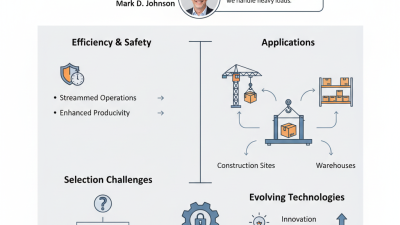
When selecting Scaffold Hoists, buyers face many critical factors. The right choice can enhance safety and efficiency at construction sites. Different hoist models are available, each designed for specific needs. Buyers should consider load capacity and height reach when making a decision.
Additionally, understanding the different types of Scaffold Hoists is essential. Some are powered by electricity, while others may rely on manual operation. The maintenance requirements also vary. Regular inspections and upkeep are necessary for optimal performance.
While it is tempting to choose the lowest price option, one must reflect on reliability and reputation. A well-reviewed brand often offers better long-term value. Purchasing cheap equipment can lead to costly repairs later. Therefore, investing in quality Scaffold Hoists is crucial for achieving successful project outcomes.
What Are Scaffold Hoists and Their Uses in Construction?
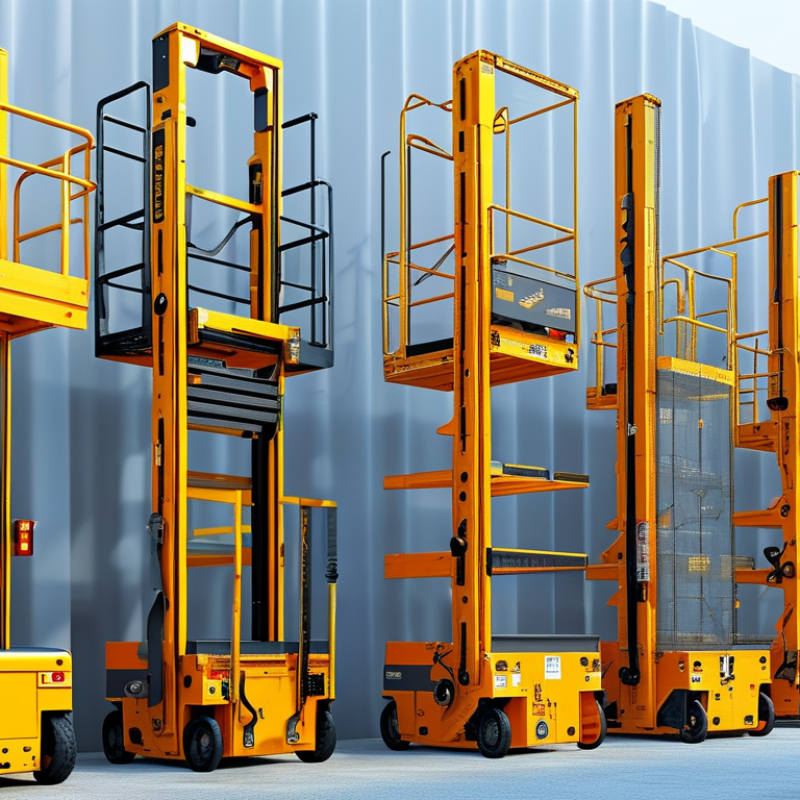
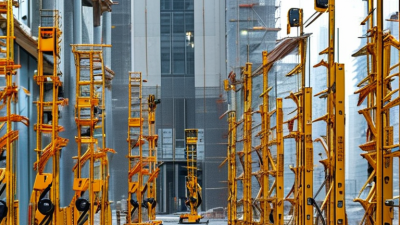
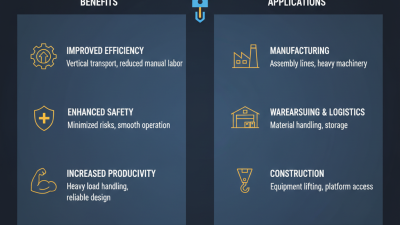
Scaffold hoists are essential equipment in construction. They elevate materials, tools, and personnel to various heights. This saves time and increases safety on job sites. Instead of using ladders or manual lifting, scaffold hoists streamline these processes. Different types of hoists are available, suitable for various tasks.
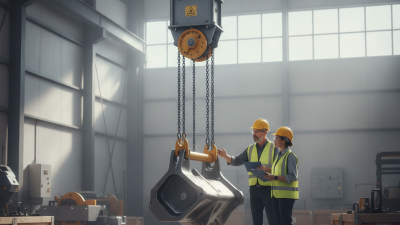
Consider the environment where the hoist will be used. Some jobs require heavy lifting, while others need portability. A reliable hoist can make a significant difference in productivity. Safety features, such as overload protection and emergency stops, should be a priority. Check for certifications that prove the hoist meets safety standards.
Pay attention to the hoist's load capacity and height range. These factors will determine its suitability for your projects. Regular maintenance is often overlooked but critical. A well-maintained hoist operates smoothly and lasts longer. Evaluate your needs carefully, as the wrong choice can lead to inefficiency or accidents. It’s essential to educate all users on proper operation.
Top 10 Scaffold Hoists Buyers Need to Consider Today
Key Features to Look for in Scaffold Hoists for Your Project
When selecting scaffold hoists for construction projects, key features can significantly impact performance. One important consideration is load capacity. Determine the maximum weight your hoist must support. This ensures safety and efficiency on site. Next, look into lifting speed. A hoist that operates quickly can save valuable time during operations.
Another critical feature is ease of use. Controls should be intuitive and accessible. Workers should feel comfortable operating the hoist without extensive training. Also, consider the hoist’s durability. Look for materials that withstand harsh construction environments. Lastly, check for safety features, such as automatic brakes and emergency stops. These can prevent accidents but often require thorough reviews before trusting them on-site.
Keep in mind that while many options might seem similar, small differences can affect overall productivity. It’s also essential to reflect on the reliability of the supplier. Reviews and expert opinions can guide your choices significantly. A well-informed decision can reduce risks and enhance project outcomes.
Top 10 Scaffold Hoists Buyers Need to Consider Today
| Feature |
Description |
Importance Rating (1-10) |
| Load Capacity |
Maximum weight the hoist can handle safely. |
9 |
| Lift Speed |
How fast the hoist can lift materials to desired heights. |
8 |
| Durability |
Ability to withstand harsh working environments. |
9 |
| Ease of Use |
How user-friendly the controls and setup are. |
8 |
| Safety Features |
In-built safety mechanisms to prevent accidents. |
10 |
| Power Source |
Type of power the hoist requires (electric, manual, etc.). |
7 |
| Portability |
How easy it is to transport the hoist between job sites. |
7 |
| Warranty |
Length and coverage of the warranty provided. |
8 |
| Maintenance Requirements |
Frequency and type of maintenance needed. |
6 |
| Cost |
Price point relative to features and capabilities. |
9 |
Top Brands and Models of Scaffold Hoists Reviewed
When selecting scaffold hoists, buyers should focus on reliability and efficiency. Recent industry reports suggest that hoists with a lift capacity of at least 1,500 pounds are optimal for most construction tasks. These hoists minimize downtime and ensure safety for workers. Models that offer speed ratings of at least 20 feet per minute tend to enhance productivity significantly.
Popular features to consider include adjustable hooks and remote control capabilities. These enhancements provide flexibility and convenience on the job site. A study indicated that 70% of professionals prefer hoists with user-friendly controls. Moreover, hoists featuring built-in safety mechanisms, like emergency stops, are essential. They help prevent accidents and promote a secure working environment. However, even the best models may encounter wear and tear, highlighting the need for regular maintenance and checks.
Analysts also note the importance of brand reputation. Models backed by strong customer service receive better reviews and ratings. Reporting by industry experts reveals that customer satisfaction correlates with responsive support systems. While many hoists are durable, issues can arise. Buyers must consider warranties and service plans to mitigate potential problems. Watch for models that strike a balance between cost and quality, as it often leads to long-term savings.
Safety Standards and Regulations for Scaffold Hoist Usage
Safety is paramount when it comes to scaffold hoists. Numerous regulations govern their use. In the United States, OSHA sets the standard for safety in construction. Their regulations require that all lifting equipment, including scaffold hoists, must be regularly inspected and maintained. According to a report from the National Safety Council, over 80% of scaffold-related accidents stem from equipment failure or improper usage. This highlights the significance of complying with safety standards.
To enhance safety, operators must be trained and certified. A study by the Scaffold Industry Association revealed that adequate training reduces accidents by up to 75%. The training should cover risk assessment, load limits, and emergency procedures. It’s crucial for operators to understand their equipment’s specifications and safety features. For instance, a hoist with an automatic shut-off can prevent overloading. Proper training can significantly improve overall safety and reliability in scaffold hoist usage.
Also, it’s essential to conduct daily safety checks before operation. Inspect for wear and tear, and ensure all components are functioning correctly. Neglecting this step can lead to serious accidents. Regular audits of the work environment can also help identify potential hazards. The lack of rigorous safety checks has led to increased scrutiny from regulatory bodies. Implementing stringent safety measures is not just a legal requirement; it’s a moral obligation to protect workers.
Cost Considerations When Purchasing Scaffold Hoists
When considering the cost of scaffold hoists, buyers need to evaluate multiple factors. The initial purchase price is just one aspect. Installation, maintenance, and potential downtime also contribute to the overall cost. For example, a low initial price might hide high future expenses. It’s essential to weigh these possibilities before making a decision.
Operational efficiency should also influence your budget. Hoists that are easy to use and reliable can save time and money in the long run. Look for features that enhance their durability. Investing in a sturdier model may seem expensive upfront, but it could prevent costly repairs later. Some models can handle heavier loads, which can be beneficial for larger projects.
Lastly, don’t overlook the hidden costs. Training workers is an essential part of using scaffold hoists safely and effectively. This expense can vary based on worker experience. Consider the long-term implications of your choice. Reflecting on all these elements will lead to a more informed purchase.