Inquiry
Form loading...
In 2026, global buyers are reassessing lifting equipment around safety, serviceability, and total ownership cost. The Chain Block Crane remains practical for workshops, warehouses, maintenance bays, and light industrial production. It needs no complex foundation. It also works where electrical infrastructure is limited.
Market research from MarketsandMarkets and Grand View Research indicates continuing demand for overhead lifting systems, supported by manufacturing, construction, logistics, and infrastructure investment. Their industry analyses also emphasize automation, energy efficiency, and safer material handling. These trends explain the growing interest in electric chain hoists, manual chain blocks, low-headroom cranes, air-powered units, and corrosion-resistant designs. Each type solves a different site problem. A compact electric model may suit a fabrication line, while a manual unit can serve a remote repair station. Small details matter.
Look closely.
Reliable selection requires more than rated capacity. Buyers should examine lift height, duty class, trolley design, braking performance, control voltage, ambient temperature, spare-part access, and operator training. International references such as ISO 4301, EN 14492-2, ASME B30.16, and applicable regional requirements provide useful technical direction. Independent inspection records and manufacturer traceability add confidence. However, published market forecasts are not guarantees. They can differ by methodology, region, and reporting year. My ranking may also change when freight costs, local service coverage, or certification rules shift. This guide therefore compares the top Chain Block Crane types through practical operating conditions, not popularity alone. A crane that looks economical may become expensive after installation delays, unavailable parts, or excessive maintenance.
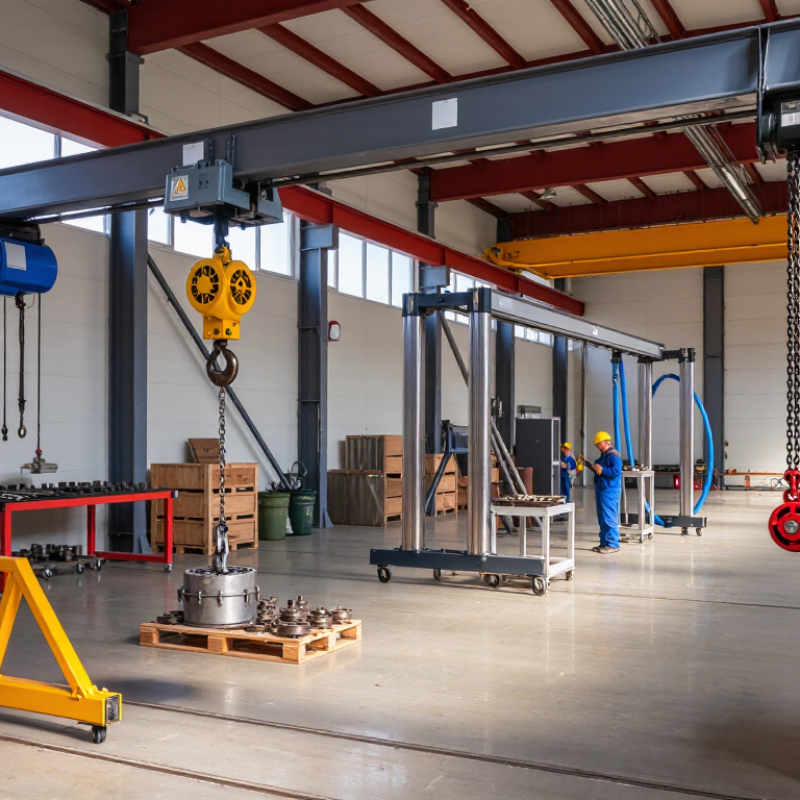
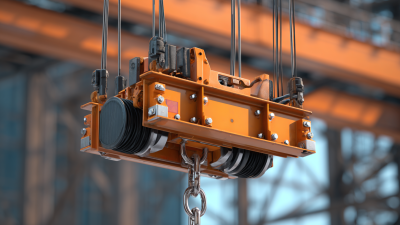
Chain block cranes use a simple lifting path: hand force turns a chain wheel, gears multiply torque, and a load chain raises the hook. The brake holds the suspended load when pulling stops. Load paths matter. Manual hand chain blocks suit fixed lifting points and moderate-duty maintenance. Lever hoists work better in tight spaces, where horizontal pulling or short lifts are common. Geared trolley systems add controlled movement along an overhead beam.
Capacity is not the only selection factor. Buyers should check lift height, headroom, beam width, duty cycle, hook design, and chain grade. A 2-ton hoist may fail operationally if its trolley cannot match the beam flange. The mechanism also needs a clear vertical line. Side loading can bend hooks, damage gears, and reduce brake reliability. The International Labour Organization’s 2023 global estimates report about 2.93 million work-related deaths annually, reinforcing why lifting controls deserve more than paperwork.
Market growth adds pressure for practical choices. Fortune Business Insights valued the global crane market at approximately 36.36 billion dollars in 2023, with continued expansion forecast through the decade. That figure includes many crane categories, not only chain equipment. Still, it shows why standardization matters for global buyers. ISO 4301-1 duty classifications help compare operating severity, but they do not replace site inspection. I have seen capacity charts followed carefully while anchor points were ignored. That is an uncomfortable gap. Experienced teams inspect chains for elongation, damaged links, corrosion, and twisted hooks before every demanding lift.
A practical comparison of common chain-operated lifting equipment, operating principles, selection factors, and typical applications.
| Equipment Type | Primary Power Source | Core Lifting Mechanism | Typical Capacity Range | Typical Lift Speed | Key Operating Features | Best-Fit Applications | Important Buyer Considerations |
|---|---|---|---|---|---|---|---|
| Manual Chain Block | Hand-operated load chain and hand chain | A hand chain rotates a load-sprocket wheel through reduction gearing. The load is held by a mechanical load brake when the operator releases the hand chain. | Commonly 0.5–20 metric tonnes; larger capacities are available for specialized equipment. | Approximately 0.5–3 m/min, depending on capacity and operator effort. | No electricity required Portable Precise positioning | Maintenance work, workshops, construction sites, plant installation, and locations without reliable electrical power. | Check working load limit, headroom, chain grade, brake performance, hook safety latches, and whether the unit is rated for the intended duty cycle. |
| Lever Chain Hoist | Manual lever operation | A ratchet lever drives a gear train and load sprocket. Forward, neutral, and reverse functions allow pulling, lifting, lowering, and tensioning. | Commonly 0.25–9 metric tonnes; higher-capacity models may be available for industrial use. | Approximately 0.5–2 m/min during lifting. | Short headroom Horizontal pulling Fine control | Rigging, structural alignment, machinery positioning, vehicle recovery, pipe fitting, and load tensioning. | Confirm whether the product is approved for lifting, pulling, or both. Inspect lever clearance, anchorage requirements, chain condition, and overload protection. |
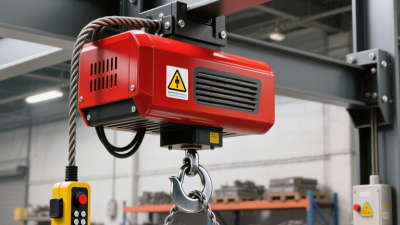
| Electric Chain Hoist | Single-phase or three-phase electric motor | An electric motor drives a gearbox and load sprocket. An electromagnetic or mechanical brake stops and holds the suspended load when power is removed. | Commonly 0.5–20 metric tonnes; industrial installations may use larger capacities. | Approximately 2–12 m/min; dual-speed versions provide slower positioning and faster travel. | Higher productivity Pendant or remote control Optional trolley | Production lines, warehouses, workshops, fabrication plants, maintenance bays, and repetitive lifting operations. | Verify voltage, frequency, duty classification, lifting speed, control voltage, emergency stop arrangement, braking system, and required electrical protection rating. |
| Electric Chain Hoist with Geared Trolley | Electric motor for lifting and powered trolley travel | The lifting motor raises the load through the load chain, while a separate geared trolley motor moves the hoist along a beam or runway. | Commonly 1–10 metric tonnes; capacity depends on the hoist, trolley, beam, and supporting structure. | Lifting: approximately 2–10 m/min; trolley travel: approximately 5–20 m/min. | Powered lifting and travel Accurate load movement Reduced manual handling | Machine shops, assembly areas, storage facilities, maintenance workshops, and fixed overhead lifting routes. | Check beam flange width, beam capacity, runway alignment, wheel type, travel speed, end stops, clearances, and the combined weight of the hoist and load. |
| Electric Chain Hoist with Plain Trolley | Electric lifting motor; manual trolley travel | The motor lifts the load through a load sprocket and gear train, while the operator manually pushes or pulls the suspended hoist along the beam. | Commonly 0.5–5 metric tonnes; actual limits are determined by the hoist and trolley assembly. | Lifting: approximately 2–10 m/min; manual travel speed depends on load and operator effort. | Lower system cost Simple layout Electric lifting | Small workshops, service areas, short travel paths, repair stations, and occasional lifting duties. | Ensure the load can be moved safely by hand. Evaluate wheel resistance, beam condition, travel path length, operator visibility, and floor or access restrictions. |
| Low-Headroom Electric Chain Hoist | Electric motor with compact hoist and trolley arrangement | The load chain passes through a compact lifting body positioned close to the beam, minimizing the vertical distance between the supporting structure and the load hook. | Commonly 0.5–5 metric tonnes; capacity varies by configuration and structural design. | Approximately 2–10 m/min for lifting; trolley speed varies by design. | Maximized hook height Compact construction Suitable for low ceilings | Low-ceiling workshops, manufacturing cells, indoor service bays, and buildings where vertical clearance is limited. | Measure minimum hook height, beam depth, trolley envelope, side clearances, chain collection space, and the required lifting stroke before ordering. |
| Explosion-Protection Chain Hoist | Electric or pneumatic power, depending on the certified design | The chain sprocket, brake, motor, controls, and enclosure are selected and certified to reduce ignition risks in specified hazardous areas. | Commonly 0.5–10 metric tonnes; the allowable capacity depends on the certified configuration. | Typically 1–8 m/min for lifting, subject to the power system and certification requirements. | Hazardous-area use Specialized protection Controlled ignition risk | Chemical processing, fuel handling, paint operations, grain processing, and other areas classified for flammable gases, vapors, or dust. | Match the equipment certification to the site zone, gas or dust group, temperature class, ambient conditions, and local legal requirements. Standard hoists must not be assumed suitable. |
| Stainless-Steel or Corrosion-Resistant Chain Hoist | Manual or electric power | The lifting system uses corrosion-resistant load-bearing components, protective finishes, and sealed or protected parts suited to wet, washdown, or corrosive environments. | Commonly 0.25–5 metric tonnes; specialized designs may support higher loads. | Manual: approximately 0.5–3 m/min; electric: approximately 2–10 m/min. | Moisture resistance Washdown suitability Reduced corrosion risk | Food processing, marine maintenance, wastewater facilities, outdoor installations, and humid or chemically exposed work areas. | Confirm material compatibility, washdown method, ingress protection, lubricant suitability, drainage, load-chain corrosion resistance, and inspection frequency. |
| Pneumatic Chain Hoist | Compressed air motor | Compressed air powers an air motor that drives the reduction gearing and load sprocket. Air control valves regulate lifting and lowering. | Commonly 0.5–10 metric tonnes; capacity depends on air pressure, flow, and design. | Approximately 2–15 m/min, depending on air supply and load. | No electric motor Frequent-duty capability Suitable for some hazardous areas | Foundries, shipyards, heavy manufacturing, paint areas, and facilities with an existing compressed-air network. | Check operating pressure, air consumption, filtration, moisture control, hose size, exhaust direction, noise, certification, and the total cost of the air system. |
| Chain Hoist Integrated into a Jib Crane | Manual or electric chain hoist; manual or powered jib rotation | The chain hoist provides vertical lifting while the jib arm and trolley position the load within a defined circular or linear working area. | Commonly 0.25–5 metric tonnes; the jib, foundation, and hoist must be rated as a complete system. | Lifting: approximately 0.5–10 m/min; rotation and travel speeds depend on the jib design. | Dedicated workstation lifting Compact coverage area Flexible positioning | Workstations, loading points, machine feeding, maintenance stations, and localized material handling. | Evaluate foundation strength, column or wall structure, outreach, rotation angle, hook coverage, floor loading, collision risks, and installation requirements. |
| Chain Hoist Integrated into an Overhead Crane | Manual, electric, or mixed manual-electric operation | The chain hoist performs vertical lifting while the crane bridge and trolley provide longitudinal and cross-travel movement across a larger work area. | Commonly 1–20 metric tonnes for chain-hoist systems; larger loads may use other hoist technologies. | Lifting: approximately 2–10 m/min; travel speeds vary by crane configuration. | Three-axis handling Large coverage area Scalable layout | Factories, warehouses, maintenance halls, steel fabrication areas, and assembly facilities. | Confirm building support, runway design, wheel loads, bridge span, duty classification, electrical supply, pendant location, end stops, and required safety devices. |
Selection note: Capacity and speed figures are typical industry ranges rather than universal limits. Final selection should be based on the manufacturer’s rated working load limit, duty classification, applicable local regulations, installation structure, load characteristics, and required inspection procedures.