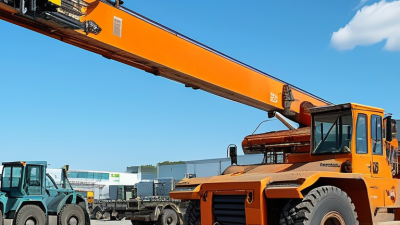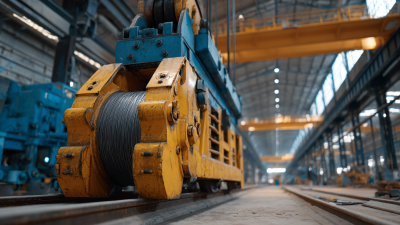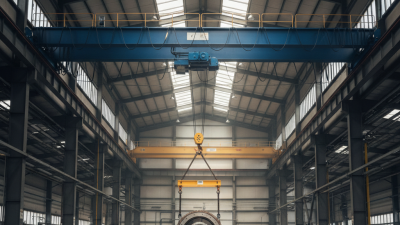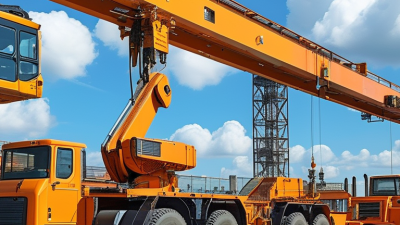
The 2026 Best Trolly Crane Buying Guide for Global Buyers begins with a practical question: what must this crane accomplish every working day?
A Trolly Crane may lift steel coils, machine parts, containers, or fragile production equipment. Its duty is never just a number on a brochure. Load weight, lifting frequency, span, travel speed, headroom, and workshop temperature all influence the correct selection. A crane lifting two tons occasionally needs a different design from one moving two tons every five minutes. Small details matter.
Ross Moloney, CEO of the Lifting Equipment Engineers Association, has stressed, “Competence is the foundation of safe lifting.” That principle belongs at the center of every international purchase. Buyers should examine the manufacturer’s engineering experience, inspection records, component quality, control systems, and after-sales support. Certification should be verified, not merely printed in sales material.
This guide compares trolley configurations, wire-rope and chain hoists, electric controls, variable-speed drives, runway requirements, and maintenance planning. It also considers humidity, dust, corrosive environments, voltage differences, operator training, and spare-parts access. A low purchase price can become expensive when a replacement motor waits weeks at customs.
No perfect crane exists. There are only better decisions for specific conditions. Even experienced buyers can overlook braking cycles or floor tolerance. That deserves reflection. Global projects also involve different technical expectations and documentation practices. Therefore, each recommendation should be checked against the site’s engineering data, local requirements, and manufacturer instructions before procurement.
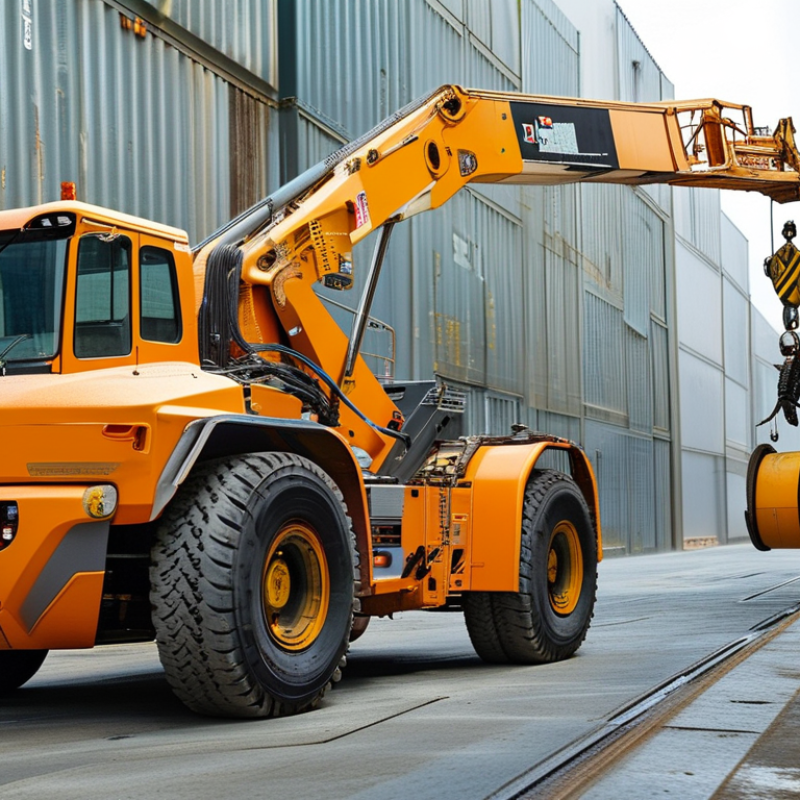
A trolley crane is an overhead lifting system that moves loads vertically and horizontally. The trolley carries the hoist along the bridge beam. The bridge travels on runway rails. This arrangement gives operators controlled movement across a workshop, warehouse, or steel plant.
Common types include single-girder, double-girder, underslung, and gantry cranes. Single-girder designs suit moderate loads and limited building heights. Double-girder cranes handle heavier loads and longer spans.
Key components include the bridge, trolley, hoist, end trucks, runway rails, electrical controls, brakes, and limit switches. The hoist raises the load through a wire rope or chain. Motors then move the trolley and bridge.
Smooth acceleration matters. Sudden starts can swing a steel coil several meters.
MarketsandMarkets reported that the global crane market could grow from about 42.7 billion dollars in 2024 to 54.6 billion dollars by 2029. This growth increases the need for documented inspections and operator training.
Buyers should compare rated capacity, duty class, lifting height, span, power supply, and local standards. ISO 4309 recommends examining and maintaining wire ropes, especially where crushing, corrosion, or broken wires appear. OSHA 1910.179 also requires specific safety controls for overhead and gantry cranes.
In practice, suppliers sometimes focus too heavily on lifting capacity. That is a mistake. Building structure, duty cycle, temperature, and maintenance access may decide the real service life.
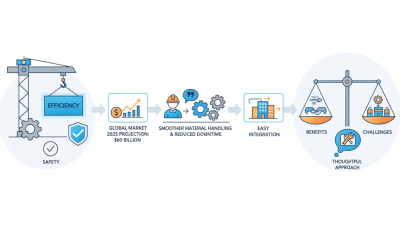
Selecting a trolley crane starts with the load, not the catalog photograph. Record the maximum load, load shape, lifting points, and load frequency. Add the heaviest rigging weight. A 10-ton rated crane may lift less safely when attachments consume part of its capacity. International crane guidance recommends considering dynamic effects, not only static weight. Leave a documented safety margin. More capacity is not always better.
Span must match the runway centerlines and building structure. Measure the clear distance, then check end-truck clearance. Height has two meanings: hook travel and usable hook height beneath the beam. A low roof can make a high-capacity crane impractical.
Choose hoisting speed after observing the workflow. Fast lifting improves cycle time, but it can increase sway and stopping distance. Slow is sometimes wiser. Duty class should reflect starts, operating hours, load spectrum, and annual cycles. ISO 4301 and FEM classification methods help convert real usage into a service class. Guessing here is a costly mistake.
A 2024 global overhead-crane market report projected continued growth above 5% annually through the decade, driven by manufacturing, warehouses, and infrastructure. That trend does not justify oversizing every installation. Compare the report’s market outlook with your own three-year workload forecast.
Verify runway deflection, electrical supply, controls, inspection access, and local engineering requirements before purchase. Get the numbers checked twice. One overlooked dimension can erase the expected productivity gain.
A trolley crane should match the building, load pattern, and working environment. I have inspected systems where a narrow aisle made a standard trolley impractical. Measure the runway span, lifting height, hook approach, and available headroom before comparing prices. Small errors here can reduce usable working space every day.
Single-girder designs usually suit lighter loads and moderate spans. They often need less steel and provide a practical option for workshops or maintenance areas. Double-girder cranes handle heavier loads, longer spans, and frequent lifting cycles more comfortably. They also require stronger supporting structures and careful alignment. The cheapest design is not always economical.
Top-running trolleys offer strong capacity and flexible travel across larger buildings. Under-running versions can preserve floor clearance when the roof structure permits them. For outdoor yards, sealed electrical parts, corrosion protection, and reliable braking deserve close attention. For dusty factories, enclosure ratings and service access matter. Check the trolley’s duty classification against actual daily cycles, not optimistic estimates.
Controls also affect productivity. Pendant controls may work well in small bays, while remote operation improves visibility around large loads. Variable-speed travel can reduce swing, but operators still need practical training. I once focused too heavily on lifting capacity and overlooked maintenance access. That was a costly comparison mistake. Ask for inspection records, spare-part availability, installation requirements, and documented load testing before approval.
For global buyers in 2026, a trolley crane should be checked against the safety rules used at its installation site. Ask the supplier for load-test records, risk assessments, inspection certificates, and clear operating limits. Do not accept a certificate without matching serial numbers and rated capacity. During site inspections, I check emergency stops, upper and lower limit switches, overload protection, brakes, hooks, and pendant controls. Each device should respond smoothly, even after repeated testing.
Controls must suit the working environment. A pendant controller needs readable direction labels, a durable cable, and a hold-to-run function. Radio controls require secure pairing, battery warnings, and a reliable emergency stop. Check the enclosure’s protection rating when dust, moisture, or outdoor exposure is expected. Small details matter. Poorly placed buttons can cause hesitation during a suspended-load movement.
Installation quality often decides long-term safety. Verify runway alignment, wheel contact, anchor bolts, power supply, headroom, and grounding before commissioning. A qualified technician should record no-load and rated-load tests. Maintenance should include brake adjustment, hook inspection, chain or wire-rope checks, bolt tightening, lubrication, and electrical testing. Keep dated records with photographs when possible. A clean checklist can still hide a missed crack or loose terminal. That is why independent inspections remain valuable. I would rather delay commissioning than correct a preventable failure later.
2026 Best Trolley Crane Buying Guide for Global Buyers
A reliable trolley crane begins with a clear operating profile. Record the rated load, lifting height, span, duty cycle, travel speed, and indoor or outdoor conditions. Do not accept a supplier’s standard configuration without checking these details. A crane lifting five tonnes occasionally differs greatly from one operating every ten minutes.
Evaluate suppliers through engineering evidence, not polished promises. Request load calculations, material specifications, inspection procedures, installation guidance, and service response times. Ask for references from facilities with similar workloads. A factory visit or live video inspection can reveal welding quality, cable routing, and control-panel protection. Certificates matter, but traceable testing matters more.
Compare the complete quotation. Include the crane, trolley, controls, spare parts, commissioning, training, packaging, insurance, and import duties. Delivery terms should state the exact Incoterm, port, shipment schedule, and responsibility for unloading. Confirm whether replacement components can arrive within days or require several months. A low purchase price may hide expensive installation delays. Calculate electricity use, inspections, lubrication, downtime, and expected component replacement over ten years. The cheapest quote often becomes expensive after the first failure.
We once focused too heavily on initial cost. That was a poor assumption. A slightly higher-priced system may offer stronger documentation, safer maintenance access, and better long-term availability. Still, total ownership estimates contain uncertainty. Recheck them with your operators, maintenance records, and local logistics conditions before signing.