How to Choose the Right Power Chain Hoist for Your Needs?
Selecting the right Power Chain Hoist is crucial for efficient operations in various industries. According to a recent market report by Grand View Research, the global market for electric hoists, including Power Chain Hoists, is projected to reach USD 4.2 billion by 2025, reflecting a compound annual growth rate of 5.6%. This growth indicates the increasing reliance on sophisticated lifting solutions in manufacturing, construction, and warehousing sectors.
When choosing a Power Chain Hoist, several factors come into play. Load capacity, lift height, and operating environment significantly influence decision-making. The American National Standards Institute (ANSI) stresses the importance of selecting hoists that meet industry safety standards. This highlights the need for decision-makers to weigh both performance and compliance carefully.
In the pursuit of the perfect hoist, many overlook maintenance implications. A well-chosen Power Chain Hoist not only boosts productivity but also minimizes long-term costs. However, improper selection may lead to inefficiencies and increased downtime. Understanding your specific needs and considering expert advice can make a substantial difference in the selection process.
Understanding the Basics of Power Chain Hoists and Their Applications
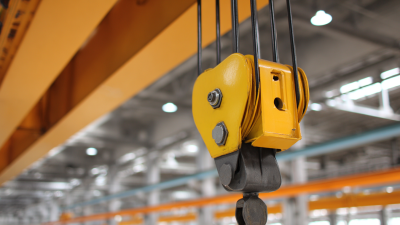
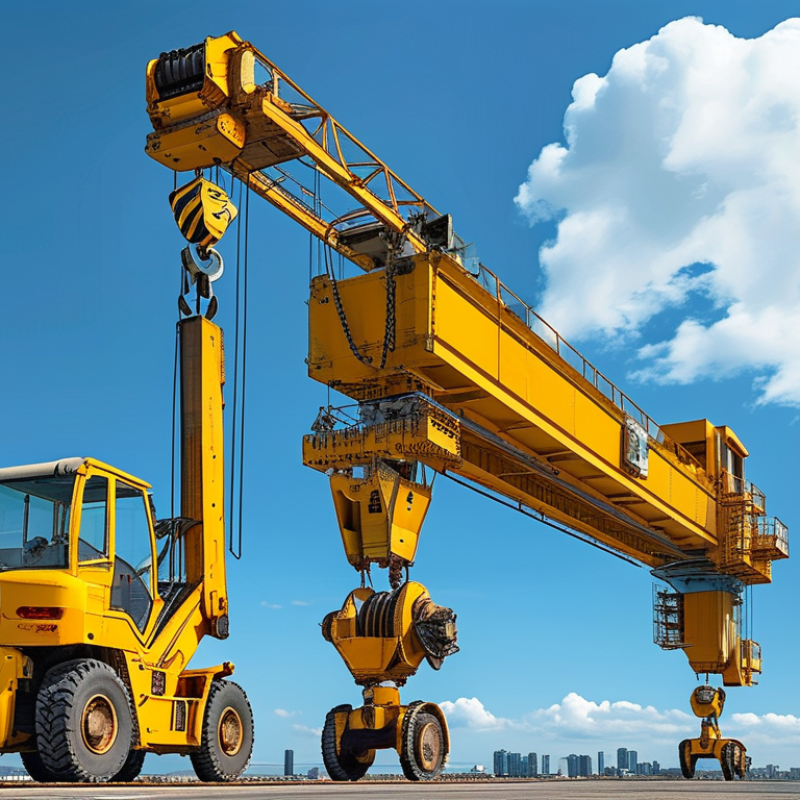
Power chain hoists are essential tools for lifting heavy loads efficiently. They come in various types, each designed for specific applications. Understanding their mechanics and features is crucial for making informed decisions. These hoists operate using a chain drive system. This system can handle significant weight, making them popular in construction and manufacturing settings.
When choosing a power chain hoist, consider the weight capacity you need. Too little capacity may lead to operational failures. It's also vital to assess the lifting height required for your projects. Each application can vary greatly. Some environments demand portable solutions, while others might need fixed installations.
Safety is a significant concern. Regular maintenance should not be overlooked. Inspecting chains and gears can prevent accidents. Look for hoists with built-in safety features. These can include overload limiters and emergency stop functions. It's worth noting that user training is essential. Improper use can lead to dangerous situations. Therefore, take the time to understand the equipment fully.
How to Choose the Right Power Chain Hoist for Your Needs?
| Model |
Lift Capacity (tons) |
Lift Height (ft) |
Power Supply (V) |
Weight (lbs) |
Application |
| Model A |
1 |
10 |
110 |
75 |
Light industrial |
| Model B |
2 |
15 |
220 |
150 |
Medium industrial |
| Model C |
3 |
20 |
380 |
200 |
Heavy-duty industrial |
| Model D |
5 |
25 |
220 |
300 |
Construction |
| Model E |
10 |
30 |
440 |
500 |
Shipbuilding |
Identifying Your Load Requirements and Weight Capacity Needs
When selecting a power chain hoist, identifying your load requirements and weight capacity is crucial. Begin by assessing the maximum weight you plan to lift. Multiply the heaviest item’s weight by a safety factor to ensure the hoist can handle unexpected stress. Ignoring this step can lead to equipment failure and accidents.
Once you understand your load, consider the type of materials you will lift. Different hoists have varying capacities based on the load type. Heavy steel beams require different support than lighter wooden structures. Evaluate how often you will use the hoist. Frequent use demands a higher quality model for longevity.
Also, think about the hoist's lifting height. A hoist that cannot reach your desired height will cause delays. Measure the space you have available; not every hoist fits in every environment. If the fit is not right, moving it becomes a hassle. This mismatch may lead to frustration and inefficiency in your operations. Balancing weight capacity, usage frequency, and physical dimensions will guide you to the right choice.
Evaluating Power Source Options for Your Chain Hoist
When selecting a power chain hoist, the power source is crucial. Common options include electric, pneumatic, and hydraulic systems. Electric hoists are popular for indoor use. They are efficient and easy to operate. However, they may not be suitable for wet or explosive environments. Pneumatic hoists use compressed air. They excel in applications needing quick movement and are often lighter. Still, they require a reliable air supply.
Hydraulic chain hoists offer high lifting capacity. They work well for heavy-duty tasks. Yet, they can be more complex and may need regular maintenance. Consider the environment and task demands. Each power source has strengths and weaknesses. If your workplace has limited power access, it may hinder your choice. Always assess your specific lifting needs. Improper selection can lead to inefficiencies. Reflect on how you will use the hoist. A thoughtful choice will enhance productivity and safety.
Considering Safety Features and Compliance Standards
When selecting a power chain hoist, safety should be your top priority. Look for hoists that comply with the latest industry standards. It’s crucial to check for safety features like overload protection and emergency stops. These elements can prevent accidents and protect your workforce. Many hoists come with additional safety certifications, ensuring they meet stringent guidelines.
Tips: Always inspect the hoist before use. Verify that all safety features function correctly. If a hoist shows signs of wear, it may need replacement.
Ensure that the hoist has adequate load limits for your specific tasks. Choose a model that matches your lifting needs without exceeding its capacity. Misestimating load limits can lead to dangerous situations. Regular training on how to use the hoist is essential. This practice promotes awareness of safety features and proper usage techniques.
Tips: Create a checklist for safety inspections. Use this before each operation. Regular maintenance can prolong the life of your equipment. It demonstrates a commitment to safety that everyone should prioritize.
Assessing the Environment and Space for Installation and Use
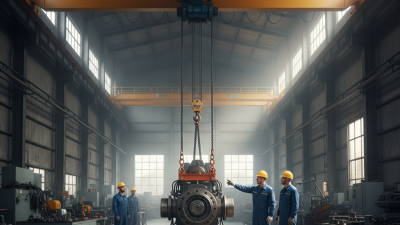
When selecting a power chain hoist, considering the environment and space for installation and use is essential. Different settings, such as warehouses, construction sites, or factories, present unique challenges. For instance, a damp environment may lead to corrosion. If the hoist is used outdoors, consider exposure to dust and moisture. Assessing these factors ensures the equipment performs reliably.
Space constraints can also determine the type of hoist to choose. Low ceilings may limit options, so a compact design is crucial. Think about the load path, clearance, and swing radius. In cramped spaces, you might need specialized configurations. Additionally, reflect on accessibility for maintenance. If a hoist is hard to reach, it can lead to costly downtime.
Noise levels are another important aspect. In quiet environments, loud hoists may disrupt operations. Evaluate how power chains will affect your workplace atmosphere. Are there noise regulations to consider? Understanding these elements aids in making a well-informed decision. Ensuring a compatible fit between the hoist and the environment is vital for long-term success.
How to Choose the Right Power Chain Hoist for Your Needs