Choosing an Electric Chain hoist is not just a matter of matching its rated capacity to a load. The right unit must also suit the lift height, operating frequency, available power, and working environment. A hoist moving machine parts across a clean workshop faces different demands from one used near dust, moisture, or repeated production shifts. Small details matter. A low beam clearance can affect headroom. A pendant control must remain comfortable and easy to reach. And a hoist that lifts a heavy load only occasionally may need different duty characteristics from one cycling all day.
Lifting-equipment engineer Maya Chen offers this practical reminder: “Choose for the lift you repeat, not just the load you can name.” Her point is useful, though no single rule replaces a careful review of the job. Check the load’s weight, lifting distance, expected cycle rate, trolley needs, and power supply. Then compare chain size, lift speed, brake features, overload protection, and service access against the manufacturer’s specifications. Ask who will inspect and maintain the equipment, too. That part is easy to overlook. It shouldn’t be. This guide explains how to weigh these factors, read product ratings, and identify questions worth asking a supplier before purchase. A perfect choice on paper may still feel awkward at the hook. Real operating conditions deserve a final check.
How to Choose an Electric Chain Hoist?
Define the Load, Lift Height, and Duty Cycle Before Selecting a Hoist
Start with the heaviest load the hoist will actually lift, including slings, lifting beams, and other attachments. Do not size it from the average load. A 500-kilogram machine may need a higher-capacity hoist once its lifting gear is included. Check the load’s balance, too; an off-center pickup can add strain and make handling less predictable. Measure the required hook travel from the lowest pickup point to the highest placement point. Then check headroom: the hook must reach the load without the hoist body hitting a beam or obstruction. Small details matter.
Duty cycle is more than lifts per shift. Record starts per hour, motor-on minutes, typical load weights, and the busiest operating period. ASME HST-1 describes service classifications for electric chain hoists, helping match equipment to the operating pattern rather than capacity alone. A hoist moving light loads repeatedly may face different demands from one making occasional near-capacity lifts. For example, log actual cycles during a busy hour; memory often understates the pace. The U.S. Bureau of Labor Statistics reported 5,283 fatal work injuries across all occupations in its 2023 Census of Fatal Occupational Injuries. That figure is not hoist-specific, but it underlines why capacity, setup, and operating conditions deserve careful review. A tidy spreadsheet can still miss a rushed shift. Measure, then verify the selection with a qualified hoist professional.
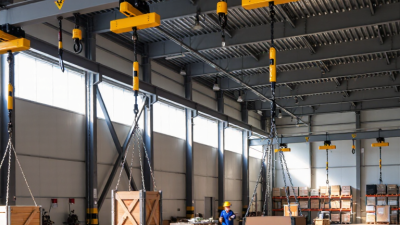
Before choosing an electric chain hoist, identify the heaviest load it will actually lift—not just the weight printed on a product drawing. Include slings, hooks, lifting beams, and other attachments in the calculation. A 900-kilogram machine part with a 35-kilogram lifting fixture creates a 935-kilogram load. That is close to a one-tonne hoist’s rated limit. Do not guess. Confirm weights from reliable records or weigh the load when practical.
The rated load limit is a boundary, not a routine target. Never exceed the hoist’s marked capacity, and check that every accessory in the lifting path is rated for the full load. A hoist with more capacity may be appropriate, but there is no universal extra percentage that fits every job. Lift frequency, acceleration, travel distance, and working conditions can affect equipment selection. Follow the manufacturer’s guidance for the intended duty and installation.
A capacity number can feel reassuring, yet it cannot correct an uncertain load estimate or poor lifting setup. If the load may shift, snag, or swing, account for that before choosing equipment. Keep the load centered beneath the hoist, and avoid side pulling. When weights or conditions remain unclear, pause and get a qualified person to review the lift. A small planning gap is better than treating the rated limit as spare capacity.
Match the hoist’s rated capacity to the heaviest total load you will lift. Never exceed the rated load shown on the hoist’s nameplate.
Illustrative selection examples: each planned maximum load is 80% of the corresponding rated capacity. This is an example comparison, not a universal required safety margin. Include the weight of lifting attachments in the total load, and confirm the hoist’s actual rating and configuration before use.
When choosing an electric chain hoist, compare its duty rating with the work it will actually perform. HMI H1–H5 and FEM 1Am–4m describe service conditions, including operating frequency and load spectrum. Higher classifications generally indicate more demanding duty, but the systems are not direct one-to-one equivalents. Check the hoist’s documentation rather than converting a rating by guesswork.
Picture a workshop hoist lifting a light motor a few times each morning. Its needs differ from a unit cycling all shift with loads near its rated capacity. Record lifts per hour, average load, travel distance, and daily operating hours. Short lifts still count. An occasional heavy lift can change the load spectrum, too. A neat spreadsheet can still miss a rushed shift or an unexpected second operator.
Use those observations to discuss the required HMI or FEM class with a qualified hoist supplier or engineer. Ask for the stated duty rating, permitted starts per hour, and expected service life under the proposed conditions. Leave headroom if workload may increase; undersizing can accelerate wear, while unnecessary oversizing may add cost. Be candid about uncertain usage. Real duty is sometimes messier than the plan.
An electric chain hoist should fit the work area, not just the rated load. Start with the heaviest routine lift, then note how often it moves and how precisely it must stop. Lift speed matters when operators repeat the same travel throughout a shift. Faster is not always better. A load that rises quickly can be harder to position beside a doorway, machine, or workbench. For awkward items, a second, slower speed may give operators more control. Check how the pendant feels with gloves on, too.
Chain falls describe the number of chain sections supporting the load. More falls can increase lifting capacity, but they may reduce lifting speed and add chain to manage. Picture the chain bag or collection container below the hoist. Will it swing into stored materials or block an aisle? Check the manufacturer’s specifications for the selected capacity and reeving arrangement rather than assuming every configuration performs alike.
Headroom is the vertical space the hoist and hook need above the load. Measure from the underside of the beam to the highest point the load must reach. Include the hoist body, hook, rigging, and any clearance needed to pass beneath nearby structures. Measure twice. A few inches can matter. Site measurements are easy to rush, and that is one detail worth checking again before ordering.
| Selection Factor | Site Information to Gather | What to Check | Example Planning Requirement | Selection Guidance |
|---|---|---|---|---|
| Rated capacity | Heaviest load, including lifting attachments and any below-the-hook equipment. | The hoist’s rated capacity and the capacity of the complete lifting system. | A 500 kg load plus 30 kg of lifting attachments requires a system rated for at least the total suspended load, subject to applicable requirements. | Do not select by load weight alone. Confirm the rating of the hoist, trolley, beam, attachments, and supporting structure. |
| Lift speed | Required vertical travel, lifts per hour, load sensitivity, and time available for each lift. | Rated lifting speed at the intended load, available speed settings, and suitability for precise positioning. | For a 6 m lift with a target travel time of about 2 minutes, the average required speed is 3 m/min, excluding acceleration and positioning time. | Compare published speeds under the same conditions. A slower or variable-speed option may help with controlled positioning; confirm actual performance with the supplier. |
| Chain falls | Required capacity, hook travel, available vertical space, and the hoist’s rated configuration. | The number of chain falls specified for the selected hoist and its rated capacity and lifting speed in that configuration. | A compact lifting area may favor a one-fall configuration when it meets the required capacity; higher-capacity configurations may use more falls, depending on the design. | More falls are not automatically better. The configuration can affect hook speed, chain length, and hoist dimensions; verify all values on the hoist’s technical data sheet. |
| Headroom | Distance from the underside of the supporting beam or track to the highest position the load must reach. | The manufacturer’s defined headroom dimension, hook position at the upper limit, and clearance for the load and attachments. | If the beam-to-ceiling space is limited, measure it on site and compare it with the hoist and trolley dimensions before ordering. | Headroom definitions can differ between specifications. Confirm the measurement points and check for obstructions such as lights, ducts, and structural bracing. |
| Lift height | The full vertical distance between the lowest and highest required hook positions. | Available chain length, usable hook travel, and clearance at both ends of the lift. | A process needing 4 m of vertical travel should specify at least that usable travel, with allowance for the actual hook and load positions. | Specify the required hook travel rather than estimating from ceiling height. Confirm chain length and upper- and lower-limit arrangements. |
| Duty and lift frequency | Operating hours, starts per hour, load distribution, and expected daily lifting cycles. | The hoist’s duty classification and permitted operating limits for the actual usage pattern. | An occasional maintenance lift and a production line with frequent cycles should not be assumed to have the same duty requirements. | Provide realistic usage data to the supplier. Do not infer duty suitability from rated capacity alone. |
| Power and environment | Available voltage and phase, ambient temperature, dust, moisture, and any special site hazards. | Electrical compatibility, enclosure protection, environmental limits, and any required site-specific compliance. | A hoist intended for an indoor workshop may not be suitable for a wet or dusty area without the appropriate specification. | Have a qualified person verify the installation and electrical supply against local codes and the equipment documentation. |
| Planning note: Example values are illustrative, not product specifications. Confirm capacity, speed, chain-fall configuration, headroom, duty, and installation requirements in the selected hoist’s technical documentation and with a qualified lifting-equipment professional. | ||||
When choosing an electric chain hoist, verify the available power before comparing lifting capacity. Check voltage, phase, frequency, and supply stability against the hoist’s nameplate and site measurements. A mismatch can cause poor performance or equipment damage. It happens.
Confirm that the pendant or other control station suits the work area. Operators should be able to identify each direction clearly and reach the controls without standing beneath a suspended load. Check cable length, enclosure suitability, and how the hoist responds when controls are released. Do not assume every model includes the same protective features; review its documentation and applicable ASME B30.16 requirements.
Inspection planning matters as much as power. ASME B30.16 covers inspection, testing, maintenance, and operation of underhung and overhead hoists. Establish which inspections apply, who is qualified to perform them, and how findings will be recorded. Before use, look for visible chain damage, leaks, unusual noise, and damaged controls. Inspection intervals depend on service conditions and usage, so confirm the applicable schedule in the current standard and the manufacturer’s instructions. A checklist helps, but it cannot replace careful judgment. Even a small chain defect deserves attention.