Top 10 Benefits of Using Micro Electric Hoists for Your Business?
In today’s fast-paced business environment, efficiency is key. One tool that can significantly boost productivity is the Micro Electric Hoist. These compact lifting devices are designed to make material handling easier. They help reduce labor costs and minimize injuries at the workplace.
Various industries are now turning to micro electric hoists for their operational needs. From construction sites to warehouses, their versatility is evident. These hoists can lift heavy loads with precision, saving time and effort. They are easy to install, making them an attractive option for businesses looking for improvements.
However, choosing the right lifting equipment can be challenging. Not all businesses may fully understand the benefits of the Micro Electric Hoist. Businesses should consider their specific needs and the potential limitations of these devices. Investing in the right equipment should align with overall operational goals. By doing so, companies can enhance efficiency and ensure safety in their daily operations.
Advantages of Micro Electric Hoists for Business Efficiency
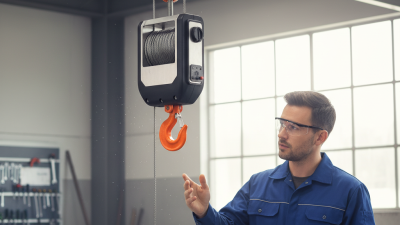
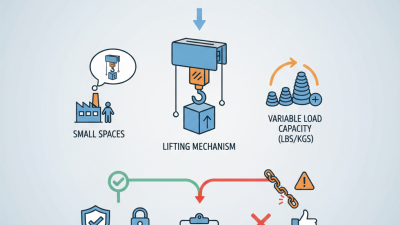
Micro electric hoists significantly enhance business efficiency. They streamline lifting tasks that are usually time-consuming and labor-intensive. With compact designs, they can fit into tight spaces. This feature is especially beneficial for small workshops and factories.
Handling heavy materials becomes more manageable with these hoists. Employees spend less time and effort on lifting, reducing the risk of injury. An electric hoist can lift loads quickly, keeping workflows uninterrupted. However, proper training is necessary. Improper use can lead to accidents.
Implementing micro electric hoists can lead to better resource allocation. Fewer workers are needed for lifting tasks. This allows your team to focus on more critical operations. Yet, some businesses may resist change. Transitioning to new equipment requires an adjustment period. Investing in training and maintenance is crucial for maximizing benefits.
Cost Savings Through Enhanced Productivity with Electric Hoists
Micro electric hoists have become essential in various industries for enhancing productivity. Using these compact lifting solutions can greatly reduce manual labor. Workers can lift heavy loads effortlessly, which minimizes fatigue. This leads to quicker task completion and improved overall efficiency. As a result, businesses can see a reduction in operational costs due to less downtime and more output.
Cost savings emerge from reduced labor needs. Instead of requiring multiple workers for heavy lifting, one person can operate a micro electric hoist. This not only streamlines the process but also cuts labor costs significantly. Furthermore, fewer accidents occur, which can translate to lower insurance premiums. Companies can channel these savings into other vital areas, fostering growth and innovation.
However, some businesses might hesitate to adopt electric hoists. Initial setup costs can be daunting. There is also a learning curve associated with new technology. Businesses must weigh these factors against the long-term benefits. Embracing electric hoists might seem challenging, but the potential for improved productivity and cost savings is substantial. It requires careful consideration, yet the impact can be transformative.
Top 10 Benefits of Using Micro Electric Hoists for Your Business
Improved Safety Standards in Material Handling Operations
Micro electric hoists are becoming essential in various industries. They enhance safety standards in material handling operations. According to the Occupational Safety and Health Administration (OSHA), nearly 35% of workplace injuries occur due to improper lifting techniques. Using electric hoists significantly reduces this risk. They allow workers to handle heavier loads with less strain. This is particularly important in warehouses and construction sites.
In 2021, the Bureau of Labor Statistics reported that nearly 300,000 injuries were caused by lifting and carrying. Electric hoists incorporate safety features like automatic overload protection. This prevents accidents caused by overloading the equipment. The ergonomic design also helps minimize physical stress on operators. A study by the National Institute for Occupational Safety and Health (NIOSH) suggests that improved material handling reduces injury rates by 40%.
Though electric hoists improve safety, there are still potential issues. Improper training on their use can lead to accidents. Regular maintenance checks are essential to ensure equipment reliability. Neglecting these aspects could compromise worker safety. Every business must invest in training and maintenance protocols to maximize the benefits of micro electric hoists.
Space-Saving Solutions with Compact Micro Electric Hoists
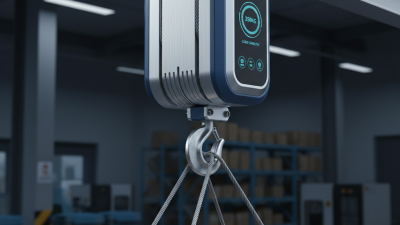
Micro electric hoists offer a remarkable space-saving solution for businesses seeking efficiency. These compact devices can lift heavy loads without consuming much space. A standard micro hoist fits in small areas that larger hoists cannot. This is beneficial for warehouses or workshops where every inch counts. Lighter materials and streamlined designs enhance mobility. With less space occupied, businesses can allocate more room for operational activities.
The versatility of micro electric hoists is evident in tight workspaces. They effectively assist in transporting items vertically. Imagine a workshop where heavy components need lifting in cramped conditions. Utilizing a micro electric hoist makes the process smoother. Workers experience less physical strain, which can lead to increased productivity. However, training is crucial. Improper use can undermine the advantages these devices present. Ensuring operators understand safety protocols is essential for maximizing benefits.
Versatility of Micro Electric Hoists Across Various Industries
Micro electric hoists offer remarkable versatility across various industries. They are designed to lift and move materials efficiently. This functionality makes them invaluable in construction, manufacturing, and warehouse operations. Their compact size allows them to fit in tight spaces, making them perfect for urban settings.
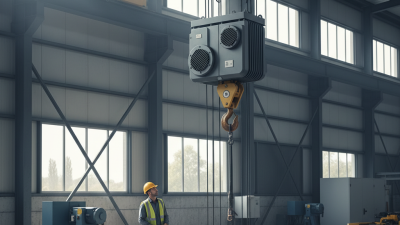
In construction, micro electric hoists assist in elevating heavy tools and materials. They reduce physical strain on workers, promoting safety. In manufacturing, these hoists streamline assembly lines. They enhance productivity while minimizing downtime. The healthcare industry also benefits; micro electric hoists aid in transporting medical equipment easily. Their adaptability allows for customized solutions tailored to specific needs.
However, not all hoists are created equal. Performance can vary based on load capacity and operating environment. Businesses must carefully assess their requirements. This might involve considering power efficiency and durability. Investing time in research can lead to better choices. Understanding these nuances is vital for optimizing operations.