Inquiry
Form loading...

Why Choose an Electric Hoist Scaffold?

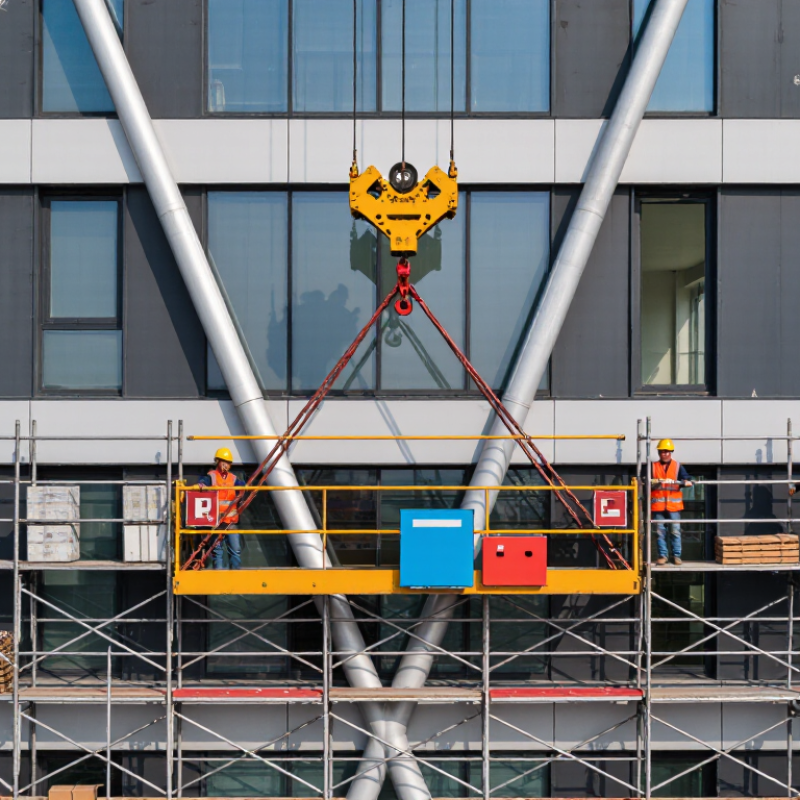
Choosing an Electric Hoist Scaffold is a practical decision for projects requiring controlled vertical movement, repeated lifting, and steady access. Unlike manual systems, it can reduce physical strain when workers move materials between floors. The platform rises smoothly. Materials arrive closer to the work area. Productivity may improve.

David V. MacCollum, a veteran crane-safety engineer, has emphasized, “The safest lift is the lift that has been planned, inspected, and understood.” This principle applies directly to an Electric Hoist Scaffold. A professional team should check rated capacity, wire ropes, brakes, limit switches, anchor points, and emergency controls before operation. Workers also need clear communication and hands-on training. A neat installation is not enough.

Real projects are rarely perfect. Wind changes. Loads are sometimes estimated poorly. Components can suffer unnoticed wear. For that reason, choosing an Electric Hoist Scaffold should involve more than comparing lifting speed or purchase price. Buyers should examine maintenance access, replacement-part availability, inspection records, platform dimensions, and manufacturer support. Safety devices deserve particular attention.

The strongest option is the one that matches the building, workload, crew experience, and site conditions. Not the fastest one. Not always the cheapest. A careful selection process can reduce delays and improve daily handling, but it cannot replace competent supervision. This article explores the main reasons contractors consider an Electric Hoist Scaffold, including efficiency, worker comfort, control, maintenance demands, and practical limitations. Its value becomes clear only when equipment, people, and procedures work together.
Why Choose an Electric Hoist Scaffold?

What an Electric Hoist Scaffold Is and How It Works

Why Choose an Electric Hoist Scaffold?

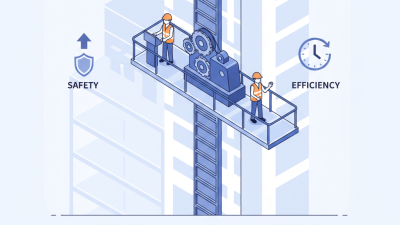
An electric hoist scaffold is a suspended work platform lifted by powered hoists. Steel wire ropes connect the platform to overhead suspension points. Electric motors then raise or lower the deck through pendant or control-panel commands. Brakes hold the platform when power stops. Limit switches help prevent over-travel. Guardrails, toe boards, emergency stops, and rated anchor systems complete the working setup.

The movement is controlled, not effortless. A trained crew checks ropes, connections, controls, brakes, and platform loading before each shift. Workers should also confirm that the supporting structure can carry the suspension forces. The U.S. Bureau of Labor Statistics recorded 1,075 fatal work injuries in construction during 2023. Falls remain a serious exposure, so powered access must never replace proper fall protection or site supervision. OSHA scaffold requirements also emphasize competent-person inspections and safe access conditions.

Electric hoists can reduce manual lifting and improve positioning around façades, towers, and large maintenance areas. The platform can stop beside a work zone, keeping tools near waist height and reducing repeated climbing. That sounds simple. It is not always simple. Wind, uneven loading, damaged ropes, or rushed inspections can change the risk quickly. A scaffold may look stable while a small setup error remains hidden. Industry guidance and site experience both support the same lesson: choose equipment by rated capacity, travel height, duty cycle, suspension design, and the actual work environment, not appearance alone.
Why Choose an Electric Hoist Scaffold?

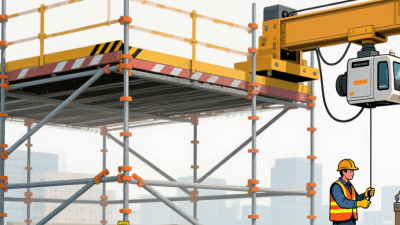
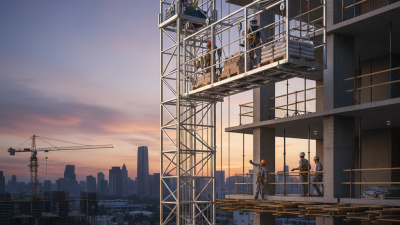
An electric hoist scaffold uses motor-driven hoists to raise and lower a suspended work platform along building facades. The chart shows a typical vertical travel profile at a reference lifting speed of 8 metres per minute. Actual speed, load capacity and platform configuration vary by system.

Key Advantages Over Traditional Scaffold Systems

Why Choose an Electric Hoist Scaffold?

Electric hoist scaffolds can reduce the physical burden of repeated climbing and manual lifting. Workers move vertically by controlled power, not by carrying tools up fixed platforms. This matters on tall façades, where small delays multiply across every floor. OSHA reported 395 construction deaths from falls in 2022, out of 1,069 total fatalities. A powered scaffold does not remove fall risks, but it can support safer access planning when installed and inspected correctly.

Traditional scaffold systems remain useful, especially for long-duration work and heavy materials. However, they often require more components, more ground space, and longer assembly periods. Electric hoist systems can adapt faster to changing work zones. Their platforms also provide a clearer working position for façade repairs, glazing, and maintenance. The benefit is practical, not magical. Poor anchorage, overloaded platforms, or rushed inspections can erase the advantage. OSHA Standard 29 CFR 1926.451 still requires competent-person oversight, proper capacity control, and fall protection.

Tips: Check the hoist, wire rope, brakes, anchors, and emergency controls before each shift. Record inspections. Keep tools secured. Plan a second access method for power failure or evacuation. Energy savings and speed are attractive, but worker behavior remains decisive. In real projects, the best system is the one crews understand and use consistently. That point is easy to underestimate.

Safety Features and Essential Operating Requirements

Why Choose an Electric Hoist Scaffold?

Safety Features and Essential Operating Requirements

An electric hoist scaffold can provide steady vertical movement with less manual effort. Its value depends on safe setup, not lifting speed. OSHA’s Scaffolding eTool estimates that scaffold accidents cause about 4,500 injuries and 50 deaths annually in the United States. The equipment needs guardrails, toe boards, emergency stops, overload protection, and reliable upper and lower limit switches. Each platform must display its rated capacity. That capacity includes workers, tools, materials, and temporary loads.

Before every shift, a competent person should inspect ropes, power cables, brakes, hooks, controls, and suspension points. Test the emergency lowering system. Check that the platform remains level while moving. Operators need documented training and clear communication with ground workers. Wind, rain, ice, and nearby electrical hazards can change the risk quickly. HSE recorded 51 worker fatalities in Great Britain’s construction sector during 2023/24, showing why routine controls still matter. A checklist helps, but it can miss a damaged rope hidden inside a dirty guide. That weakness deserves honest attention.

Tips: Keep the operating manual at the control station. Mark the safe working load clearly. Never bypass a limit switch or overload device. Remove loose materials before travel. Stop operation when unusual vibration, noise, or uneven movement appears. Record defects immediately, even when production pressure feels high. Review rescue procedures during toolbox talks, not only after an incident.

Why Choose an Electric Hoist Scaffold? - Safety Features and Essential Operating Requirements

Category Safety Feature or Requirement Typical Specification or Practice Why It Matters
Load Control Rated working load limit The platform, hoists, wire ropes, stirrups, and suspension system must be selected for the stated rated load. Never exceed the manufacturer’s marked capacity. Prevents structural overloading and reduces the risk of platform instability or component failure.
Braking Automatic holding brake The brake should engage automatically when power is released or interrupted and hold the suspended platform in position. Helps prevent unintended descent during normal operation or a power outage.
Overspeed Protection Independent safety lock or overspeed device A secondary device should arrest or limit uncontrolled descent if the primary hoist or drive system malfunctions. Provides an additional layer of protection against runaway movement.
Wire Ropes Correct diameter, condition, and secure attachment Use compatible ropes free from kinks, crushing, bird-caging, severe corrosion, or unacceptable broken wires. Inspect before each shift. Damaged or incorrectly installed ropes can reduce lifting reliability and load security.
Emergency Stop Clearly accessible emergency stop control The control should stop powered movement promptly and remain accessible to the operator on the platform. Allows the operator to stop movement quickly when an unsafe condition occurs.
Limit Protection Upper and lower travel limits Limit switches or equivalent controls should prevent travel beyond the safe operating range specified for the equipment. Reduces the likelihood of over-travel, collision, or rope and hoist damage.
Leveling Synchronized hoist operation and platform leveling Operate paired hoists together and stop work if the platform develops excessive tilt or uneven movement. Helps maintain stability and reduces the risk of materials or workers slipping.
Platform Guarding Guardrails, midrails, and toe boards Install complete edge protection on exposed sides and ends in accordance with applicable local regulations. Helps prevent falls of people, tools, and materials from the platform.
Fall Protection Personal fall-arrest equipment where required Use a suitable harness and approved anchorage when required by the risk assessment or applicable regulations; do not attach to unsuitable guardrails. Provides protection if a worker falls through or over an unprotected area.
Suspension System Secure roof beams, parapet supports, counterweights, and anchor points Verify structural capacity, correct ballast or anchorage, locking devices, and equal suspension spacing before use. The suspension arrangement carries the complete suspended load and must remain stable.
Electrical Safety Grounding, protected connections, and suitable power supply Use properly grounded equipment, protected cables, suitable overcurrent protection, and weather-resistant connections for outdoor work. Reduces electric shock, short-circuit, and fire hazards.
Weather Limits Wind, lightning, rain, ice, and visibility controls Stop operation when weather exceeds the equipment’s specified limits or when visibility and footing become unsafe. Wind and severe weather can cause platform sway, impact, loss of control, or suspension instability.
Pre-Use Inspection Documented inspection before each work shift Check hoists, brakes, controls, ropes, platform connections, guardrails, suspension equipment, and emergency devices before operation. Identifies defects before workers and equipment are exposed to operational hazards.
Operator Training Competent and authorized operators Operators should be trained in controls, load limits, inspection procedures, emergency actions, fall protection, and site-specific hazards. Correct operation is essential for preventing misuse and responding effectively to emergencies.
Communication Reliable signals between platform occupants and ground personnel Use agreed hand signals, radios, or other reliable communication methods, especially where direct visibility is limited. Reduces unexpected movement and improves coordination during lifting and emergency procedures.
Housekeeping Clear, evenly distributed platform load Keep access areas clear, secure loose tools, distribute materials evenly, and prevent items from falling outside the platform. Improves operator movement and reduces trip, falling-object, and uneven-loading hazards.
Maintenance Scheduled servicing and defect management Follow the equipment manual for lubrication, electrical checks, brake testing, rope replacement, and periodic examination. Remove defective equipment from service. Regular maintenance preserves safety performance and extends service life.

Note: Actual load limits, wind limits, inspection intervals, anchorage requirements, and fall-protection rules vary by equipment design and local regulations. Always follow the applicable instruction manual and site-specific risk assessment.

Suitable Applications, Building Types, and Work Conditions

Why Choose an Electric Hoist Scaffold?

Electric hoist scaffolds suit projects requiring controlled vertical access and repeated material movement. They work well on high-rise façades, apartment towers, hotels, and concrete commercial buildings. Glazing teams, painters, cladding installers, and maintenance crews often benefit from steady platform positioning. They are less practical for short tasks or very small buildings. The setup may cost more than basic tube-and-fitting scaffolding.

Building geometry matters. Straight façades support efficient travel, while irregular balconies, recessed windows, and roof setbacks require careful planning. Industrial plants and warehouses can also use these systems where overhead clearance and anchorage points are reliable. On renovation sites, existing structures must be inspected before installing suspension equipment. A weak fixing point can become the real risk.

Work conditions decide whether the system performs safely. OSHA reports that scaffold-related incidents cause about 4,500 injuries and 50 deaths annually in the United States. That figure reinforces the need for competent inspection, guardrails, load control, and worker training. Wind, rain, icing, dust, and unstable power supplies can quickly change site conditions. Emergency lowering arrangements deserve attention. They are often overlooked.

EN 1808 provides technical requirements for suspended access equipment, including stability, safety devices, and operating conditions. Users should verify rated loads, platform length, travel limits, and daily pre-use checks. In practice, electric lifting feels efficient, but it is not automatically safer. Poor planning still creates delays, overloads, and awkward manual handling.

Cost, Efficiency, and Selection Factors to Consider

Why Choose an Electric Hoist Scaffold?

An electric hoist scaffold can reduce manual lifting on multi-level construction and maintenance work. Materials rise steadily instead of moving through several workers by hand. Access is faster. This can improve productivity when bricks, tools, panels, or equipment must reach elevated platforms repeatedly. A controlled lift may also reduce worker fatigue, although it does not remove handling risks. Operators still need training, clear communication, and suitable personal protective equipment. The scaffold, hoist, and attachment points should be inspected by competent personnel before use.

Cost requires more than comparing purchase prices. Installation, electricity, routine servicing, inspections, transport, and operator time all affect the real budget. A lower-cost unit may have limited lifting speed or a short duty cycle. That limitation can create delays during busy shifts. The cheapest estimate can be misleading. Rental may suit occasional projects, while frequent use can justify ownership. Noise still matters, especially near occupied buildings or during early work hours.

Selection should begin with the safe working load, lifting height, platform dimensions, and expected daily cycles. Check whether the power supply matches the hoist’s electrical requirements. Confirm that emergency stopping, overload protection, braking, and upper-limit controls are available and tested. Weather exposure also deserves attention; outdoor work can challenge electrical components and scaffold stability. Measure twice. Do not rely only on a sales specification. Review applicable local safety rules and the manufacturer’s operating instructions. A practical trial with the actual materials may reveal awkward loading, sway, or restricted access before the project depends on the equipment.