Inquiry
Form loading...
Manual Chain hoists remain practical tools for global buyers seeking controlled lifting without electrical power. MarketsandMarkets reported that the global material handling equipment market reached approximately USD 212.8 billion in 2023. It also projects continued growth through 2028. This expansion reflects demand for dependable movement in warehouses, workshops, construction sites, and maintenance facilities.
A Manual Chain hoist offers a compact body, mechanical simplicity, and precise load positioning. An operator can pull the hand chain beside a steel beam and raise equipment gradually. No battery charging is required. No electrical connection is needed. These details matter in remote locations and interruption-prone workplaces. However, low operating complexity does not remove risk. Capacity limits, chain condition, brake performance, and anchor strength still require careful inspection.
Safety researcher Sidney Dekker writes, “Safety is the presence of capacity to make things go right.” That principle fits manual lifting. Buyers should evaluate certification, proof-testing records, spare-part access, and supplier experience. The International Labour Organization reported nearly three million work-related deaths annually, reminding buyers that equipment selection affects real people. Product labels alone are not enough.
The choice is not automatically economical. Poor training or unsuitable anchoring can erase the savings. Some buyers may also underestimate handling speed. Yet, when matched with the correct working load limit and operating environment, Manual Chain equipment can provide durable, transparent, and serviceable lifting performance across international markets. Statistics differ between reports, and field conditions differ even more. A careful decision leaves room for both confidence and doubt.
Why Choose Manual Chain Hoists for Global Buyers?
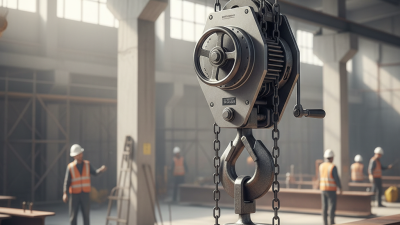
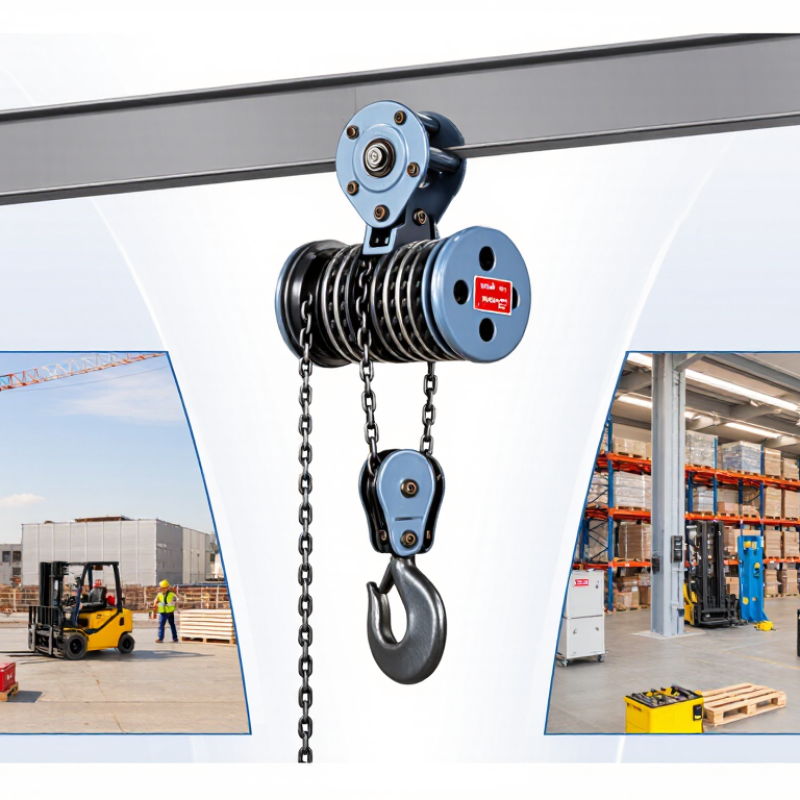
A manual chain hoist is a compact lifting device powered by human effort. It uses a hand chain, gears, a load chain, and a brake. Pulling the hand chain turns the gears, which move the load chain through the lifting wheel. The brake holds the load when the operator stops pulling. It is simple physics, not magic. A 3-ton hoist may require steady hand force, but the gearing multiplies that effort. The lifting distance depends on chain length and workplace clearance.
In practical use, an operator connects the top hook to a rated support point. The lower hook attaches to the load, remaining vertically aligned. Pulling one side of the hand chain raises the load; pulling the opposite side lowers it. ASME B30.16 covers inspection, operation, and maintenance expectations for overhead underhung hoists. Safe working loads must remain visible and respected. Never drag a suspended load sideways.
Manual hoists suit remote sites because they need no electricity, batteries, or compressed air. They also offer controlled movement in maintenance areas and construction zones. Fortune Business Insights valued the global material handling equipment market at about 216.96 billion dollars in 2022, showing the scale of lifting demand. Still, a manual hoist is not maintenance-free. The chain can stiffen, the brake can wear, and an operator may overlook twisted links. A pre-use check should examine hooks, chain wear, brake holding, and unusual sounds. Human judgment remains the weak point. Sometimes, it is rushed.
| Data Dimension | Verified Technical Information | Typical Range or Example | Why It Matters to Global Buyers |
|---|---|---|---|
| Product Definition | A manual chain hoist is a manually operated lifting device that raises or lowers a suspended load through a hand chain and a load chain. | Hand-operated; no electricity or compressed air required | Suitable for locations without reliable power supplies or where portable lifting equipment is preferred. |
| Basic Operating Principle | Pulling the hand chain rotates a chain wheel. A gear-reduction mechanism transfers the input force to the load sheave, which moves the load chain and hook. | Mechanical gear reduction converts hand force into lifting force | The operator can lift heavy loads with controlled, incremental movement. |
| Main Components | Load chain, hand chain, hand wheel, gears, load sheave, brake, top hook, bottom hook, side plates, and chain container where fitted. | Typically 8–12 primary functional assemblies | A simple mechanical layout supports inspection, maintenance, and field repair. |
| Rated Capacity | The working load limit (WLL) is the maximum load the hoist is designed to lift under specified conditions. | Common commercial capacities: 0.5–20 metric tonnes; larger capacities are available for specialized applications. | The selected WLL must be equal to or greater than the total suspended load, including suitable lifting accessories. |
| Standard Lift Height | Lift height is the vertical distance through which the load can be moved. | Common standard configurations: approximately 3–6 metres; customized lengths may be specified. | Correct chain length prevents insufficient travel and reduces unnecessary excess chain. |
| Load Control | A mechanical load-pressure brake holds the load when the operator stops pulling the hand chain, provided the hoist is used within its rated conditions. | Incremental lifting, lowering, and positioning | Controlled movement is valuable for installation, maintenance, alignment, and positioning work. |
| Power Requirement | The hoist is powered by the operator through the hand chain and does not require an electrical motor, battery, or air compressor. | Zero external energy connection | Reduces dependence on local electrical standards, voltage compatibility, and compressed-air infrastructure. |
| Installation Method | The top hook or suspension point must be connected to a support structure rated for the hoist and the lifted load. | Beam trolley, fixed suspension, or suitable rated anchor point | The support structure is part of the lifting system and must not be treated as an afterthought. |
| Typical Operating Speed | Manual chain hoists are designed for controlled lifting rather than high-speed production lifting. | Usually slower than electric or pneumatic hoists; actual speed depends on capacity, lift, and operator input. | They are practical for occasional lifting and precise positioning, but may be inefficient for repetitive high-cycle work. |
| Portability | Compact manual hoists can be moved between work areas when their weight and capacity are suitable for manual handling. | Portable for maintenance, construction, field service, and temporary lifting tasks | One unit may support multiple workstations without installing permanent power or lifting systems. |
| Common Applications | Equipment installation, machinery maintenance, construction, workshops, warehouses, shipyards, and utility work. | Intermittent lifting, alignment, tensioning, and load positioning | The broad application range makes manual chain hoists a flexible option for international buyers. |
| Inspection Priorities | Inspect the chain, hooks, brake, gears, side plates, labels, and suspension point for wear, deformation, cracks, corrosion, or other damage. | Pre-use inspection plus periodic inspection according to applicable regulations and manufacturer instructions | Routine inspection helps identify safety-critical damage before lifting operations begin. |
| Relevant Safety References | Applicable requirements may include ASME B30.16, EN 13157, local occupational-safety rules, and the instructions supplied with the equipment. | Requirements vary by country, industry, installation, and intended use | Global buyers should confirm the required standard, documentation, testing, and certification before purchase. |
| Best-Fit Buying Scenario | A manual chain hoist is a strong choice when dependable lifting, portability, precise control, and no external power connection are more important than lifting speed. | Workshops, field operations, temporary lifting stations, and low-to-moderate lifting frequency | It offers a practical balance of mechanical simplicity, operational flexibility, and compatibility with diverse working environments. |
Note: Capacity, lift height, dimensions, inspection intervals, and certification requirements vary by product design and jurisdiction. Always verify the nameplate, working load limit, applicable standards, and operating instructions before use.