Choosing a Manual Winch supplier in China involves more than comparing prices. Global buyers need equipment suited to real loads, working conditions, and maintenance plans. A compact hand winch may look simple, yet its gear train, drum, brake, and mounting points affect safe, dependable operation. Details matter. Catalog specifications are a starting point, not proof of performance.
This guide explains how to assess suppliers using practical checks: rated capacity, cable or strap compatibility, corrosion protection, production quality controls, and available spare parts. Buyers should request clear drawings, test records, material details, and instructions for inspection and upkeep. Ask how the supplier verifies load ratings and handles product changes. A polished website helps, but it cannot replace traceable documentation or a sample evaluation. Small inconsistencies deserve follow-up.
Supplier selection also depends on communication, lead times, packaging, and support after delivery. Confirm what the quoted price includes, how production dates are reported, and whether replacement components can be identified later. Independent audits and factory visits can add useful evidence when available, though neither guarantees every shipment will be perfect. No checklist removes all uncertainty. The goal is to compare claims with verifiable details and match the product to its intended use. This overview gives global buyers a practical framework for finding Chinese Manual Winch suppliers, while recognizing that the best choice depends on the application, budget, and level of technical support required.
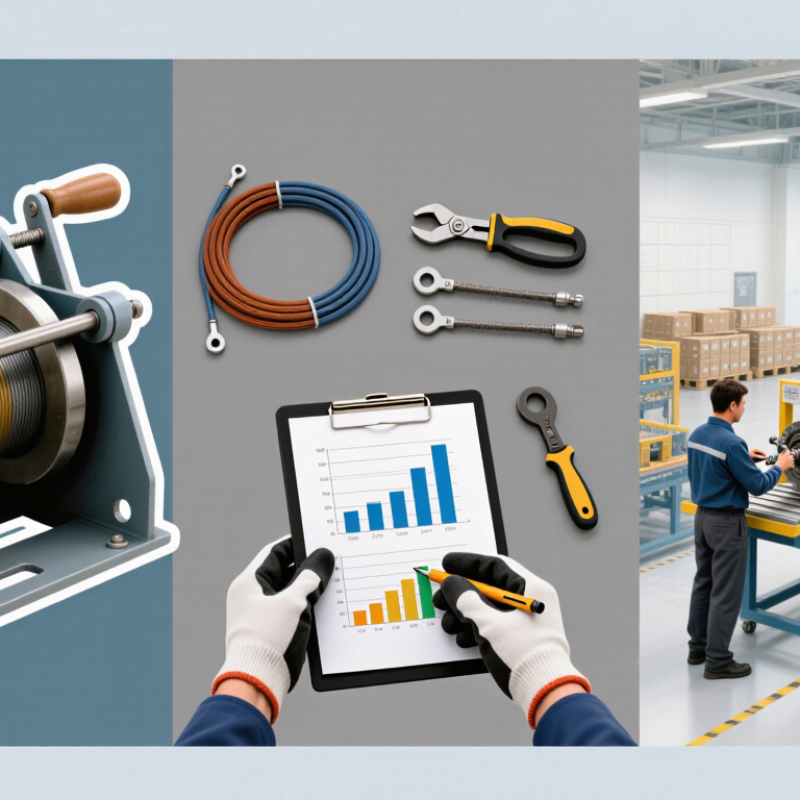
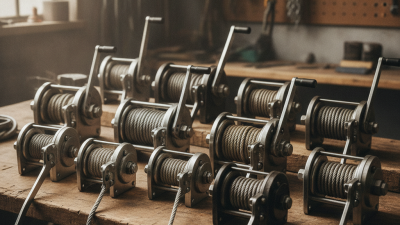
A manual winch uses a hand crank to turn a drum and pull or position a load. The operator supplies the force, while gears can make controlled movement easier. Capacity, gear ratio, cable type, and mounting strength all affect safe performance. A winch is not a substitute for a rated lifting system. It should be selected for the actual load and working conditions.
Manual winches are commonly used on boat trailers, utility trailers, farm equipment, and workshop fixtures. They can pull a boat onto a trailer, tension a gate, or move equipment a short distance. These jobs often need steady control more than speed. However, a sloped surface or sudden load shift can increase strain. That detail is easy to underestimate.
Tips: Check the rated capacity and inspect the cable before use. Keep hands clear of the drum. Secure the mounting point, and never stand in the cable’s path. Small checks matter.
For buyers comparing suppliers, ask for clear capacity data, material details, and operating instructions. Consider corrosion exposure, frequency of use, and access to replacement parts. A compact winch may look convenient, but its handle clearance can be awkward in a tight space. Specifications help, though they do not replace a practical fit check.
Choosing a Chinese manual winch supplier starts with matching the winch to its actual duty. Ask for rated capacity, rope or strap compatibility, gear ratio, drum dimensions, and brake design. Request drawings and a load-test report for the exact model. A large capacity figure alone proves little. Confirm whether it describes a single-line pull and which test conditions apply.
Inspect production controls, not just a showroom sample. Ask how gears, shafts, and hooks are checked, and whether batch records can be traced. For outdoor use, discuss protective coatings, corrosion-test results, and packaging that keeps moisture away during sea transit. Check spare-part availability and response times in writing. One awkward point: replies can be fast before an order and slower afterward.
Tips: Compare samples against the drawings, and test the handle, brake, and ratchet under a controlled load. Ask for clear photos of labels and inspection records. If answers remain vague, pause before committing. A factory visit or live video check may help, though neither replaces documented testing.
A reliable manual winch supplier should provide evidence, not just confident sales claims. Request current quality certificates and check their scope, issuing body, and expiry date. Confirm that the listed products and factory are actually covered. A certificate alone does not prove that every winch performs consistently.
Ask for inspection records tied to specific models. Useful evidence includes rated-load tests, brake checks, and traceable component records. Details matter. During a sample review, look closely at gear teeth, drum welds, pawl engagement, and how the cable winds under tension. A tidy sample is encouraging, but it may not reflect routine production. Ask how often checks are performed and what happens when a unit fails.
Production capacity needs concrete numbers. Request monthly output, typical lead times, staffing details, and records showing how orders are tracked. If possible, compare a sample order with the supplier’s stated process. A factory visit or independent audit can reveal whether inspection stations are active or merely staged for visitors. I would not rely on a polished catalog; it is easy to overvalue first impressions. Ask again when answers feel vague, and keep the questions specific.
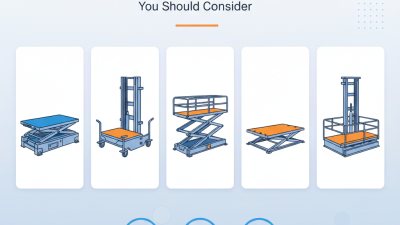
Manual winches differ in more than rated capacity. Gear-driven models offer controlled pulling, while compact direct-drive units suit lighter, occasional tasks. For buyers comparing Chinese suppliers, ask whether the stated capacity applies to the first cable layer; effective pulling force can decrease as cable builds on the drum. Small detail. Big difference.
Check the brake type, gear ratio, drum width, mounting-hole pattern, and handle length against the actual installation. A longer handle can reduce effort, but it also needs clearance to rotate safely. Compare steel cable with synthetic strap based on abrasion exposure, storage, and maintenance needs. Confirm whether the winch is rated for pulling or lifting; these are not interchangeable uses. Request clear test records and operating instructions, not just a capacity figure on a product sheet.
Customization may include corrosion-resistant finishes, altered mounting plates, different cable lengths, or private-label packaging. Ask suppliers for drawings, material details, sample lead times, and inspection criteria before approving a large order. Coatings can help in damp environments, but they do not make a winch maintenance-free. One detail buyers sometimes overlook is replacement-part availability. Specifications can look excellent on paper; serviceability is less visible, and it deserves equal attention.
| Manual Winch Type | Typical Rated Line Pull | Drive and Holding Method | Common Cable or Strap Options | Typical Construction | Common Customization Options | Typical Applications |
|---|---|---|---|---|---|---|
| Spur-Gear Hand Winch | Approximately 250–2,000 kg, depending on model and drum layer | Crank-driven spur gears; holding method varies by design. Confirm whether a separate brake or ratchet is fitted. | Steel wire rope or synthetic strap; capacity and usable length depend on drum size and line diameter. | Typically steel frame and drum, with a removable or fixed crank handle. | Gear ratio, handle length, drum width, mounting pattern, finish, and rope or strap configuration. | General pulling, equipment positioning, utility trailers, and light material handling. |
| Worm-Gear Hand Winch | Approximately 250–3,000 kg, depending on design and line layer | Worm-and-wheel gearing provides high reduction. Do not assume the gearing alone is a certified load-holding brake. | Usually steel wire rope; some configurations use a strap-compatible drum. | Often a robust steel or cast housing with a geared drum and hand crank. | Gear ratio, crank orientation, drum capacity, corrosion-resistant coating, and mounting arrangement. | Controlled pulling or positioning where slower operation and higher mechanical advantage are useful. |
| Automatic-Brake Hand Winch | Approximately 500–2,000 kg for many compact product ranges; verify the rated value for the exact model. | Mechanical brake is designed to hold the load when the handle is released; brake type and certification vary. | Wire rope or webbing strap, subject to the winch maker’s approved configuration. | Typically a steel frame and drum with an integrated load-holding brake. | Brake configuration, handle, drum dimensions, rope or strap, surface treatment, and labels. | Trailer loading and other applications requiring controlled holding during operation. |
| Boat-Trailer Strap Winch | Approximately 500–2,500 kg; the required rating depends on boat weight, ramp conditions, and setup. | Usually a ratchet-and-pawl mechanism; some models include a brake or two-way operation. | Commonly polyester webbing strap; strap width, length, stitching, and hook must match the winch rating. | Corrosion-resistant finishes are often specified for marine or outdoor use; hardware materials vary. | Strap length and width, hook type, handle length, mounting holes, and protective coating. | Loading or retrieving boats on compatible trailers. Not a substitute for approved towing equipment. |
| Compact Portable Hand Winch | Approximately 100–1,000 kg, depending on the frame, gearing, and line arrangement. | Crank-operated gearing with a ratchet or brake where provided; check the product documentation. | Wire rope or strap options vary by model and are not necessarily interchangeable. | Compact steel or aluminum components may be used; portable designs still require secure anchoring. | Frame size, handle style, mounting plate, line type, finish, and packaging. | Light-duty positioning and pulling where a fixed, correctly rated anchor point is available. |
| Hand Chain Hoist | Common rated lifting capacities include 0.5–5 tonnes, with other sizes available. | Manual hand chain drives a geared lifting mechanism; a load brake is typically part of the hoist design. | Load chain, not a winch cable or trailer strap; lift height and chain configuration are model-specific. | Typically a geared hoist body with load chain and a suspension hook or trolley interface. | Lift height, suspension type, trolley compatibility, chain container, and regional compliance documentation. | Vertical lifting when the product is specifically rated and installed for hoisting. |
| Specification note: Rated line pull, lifting capacity, and breaking strength are different values. Winch capacity may decrease as the drum fills because the effective drum radius increases. Confirm the rated capacity at the applicable line layer, approved line type, duty cycle, mounting requirements, brake or load-holding features, and applicable test documentation before purchase. Never use a pulling winch for lifting unless it is specifically designed and rated for lifting. | ||||||
For global orders, send every manual winch supplier the same request for quotation. Specify rated line pull, drum capacity, rope type, mounting-hole dimensions, handle length, finish, and destination port. Ask for unit pricing, sample or production lead time, packaging dimensions, and shipping terms. This makes offers easier to compare. A polished quote can still conceal a capacity mismatch, so confirm technical details in writing before paying a deposit.
Check a production sample or inspection unit against the approved drawing. Verify the rating plate, mounting dimensions, brake operation, and finish; request dated photos and a load-test record tied to the model and serial number. Keep the inspection criteria measurable. “Good quality” is not a check. UNCTAD’s Review of Maritime Transport 2024 reports that over 80% of international trade in goods by volume moves by sea, making packaging and booking details important. Confirm carton strength, corrosion protection, gross weight, pallet dimensions, and document timing with the supplier and forwarder. Small errors can cost time.
Tips: Put the agreed specifications, inspection method, delivery window, and remedy for failed checks into the purchase order. Ask for a packing list before dispatch. Check it against the invoice and shipping booking. I have seen teams focus on unit price and overlook crate size; that is an easy mistake to repeat.
Each bar counts the checkpoints in this practical buyer checklist—not supplier survey results. Compare like-for-like quotes, confirm rated capacity and operating details, agree on inspection criteria, verify shipping documents, and calculate landed cost before placing an order.