Inquiry
Form loading...

Top 10 Best Manual Chain Hoists for Heavy Lifting

A Manual Chain Hoist can make heavy lifting more controlled when power is unavailable or unnecessary. Pulling the hand chain turns internal gears, raising or lowering a load through a load chain. The design is straightforward. But choosing the right hoist still takes care. Rated capacity, lift height, chain length, and operating effort all affect how well a model suits a job. A compact unit may fit a tight workshop, while a heavier-duty model may better serve frequent lifting in a warehouse or on a jobsite.

This guide to the Top 10 Best Manual Chain Hoists for Heavy Lifting compares practical features that buyers can check, including load ratings, construction, brake design, and ease of handling. It also considers where each type may fit, rather than assuming one model works for every task. Some specifications look similar on paper, yet differences in weight, hook clearance, and chain travel can matter once a hoist is installed. Not always obvious. Product details and availability can change, so verify current manufacturer information before buying. Match the hoist’s rated capacity to the load, support structure, and lifting conditions; never rely on appearance alone. Inspect equipment before use and follow the manufacturer’s instructions. No hoist is a shortcut. A careful comparison can narrow the options, but the final choice should reflect the actual lift, not just a ranking.
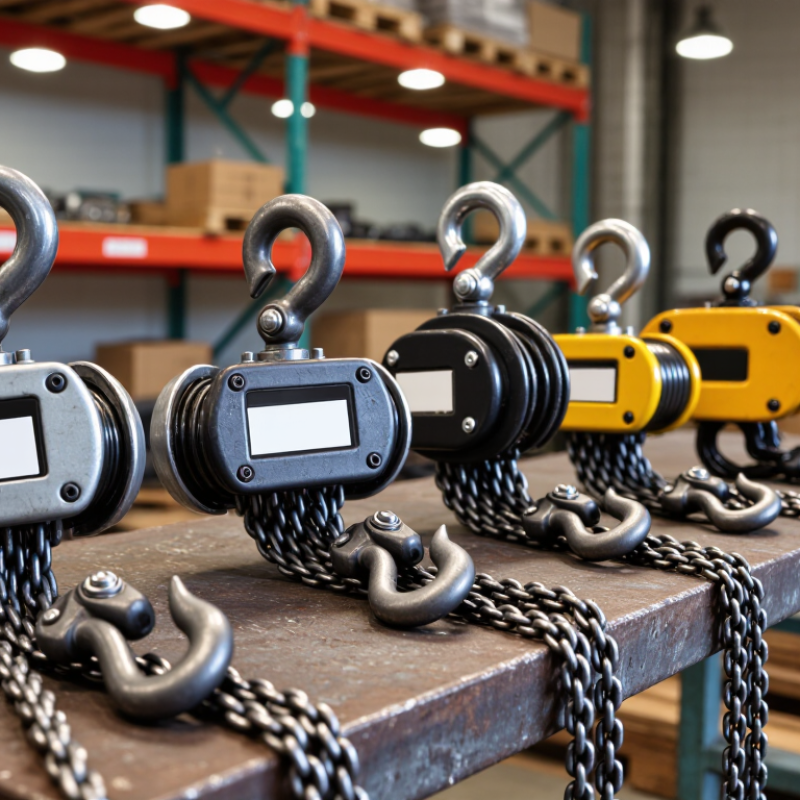
Top 10 Best Manual Chain Hoists for Heavy Lifting

What Manual Chain Hoists Are and How They Work

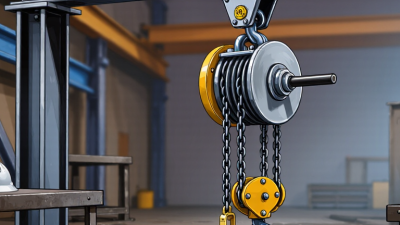
A manual chain hoist is a compact lifting device that raises or lowers a suspended load using human effort. It uses a hand chain connected to internal gears, which transfer pulling force to a load chain. Pulling the hand chain turns the gears and moves the load chain through the hoist body. A mechanical brake holds the load when the operator stops pulling. Pull one way to lift. Reverse direction to lower. The hooks connect the hoist to a suitable support and the load, but both connections need careful checking.

In practice, positioning matters as much as pulling smoothly. Keep the load chain straight, and place the hoist directly above the load to reduce sideways force. A tilted pull can strain parts not intended for that direction. Check the rated capacity, hooks, chain links, and brake before use; damaged or twisted chain should not be ignored. The supporting structure and rigging must also be suitable for the load. That detail is easy to overlook. Manual hoists work slowly and need no powered motor, but they are not effortless, especially during repeated lifts. Follow the equipment instructions, and stop if the brake slips or the load moves unexpectedly. A brief pause is safer.
Key Features for Choosing a Hoist for Heavy Lifting

Choosing a manual chain hoist starts with the actual load, not the largest number on a product page. Check the rated capacity and include lifting attachments in your load estimate. The hook, sling, and connection points must also be suitable. Leave a sensible margin; a hoist should not routinely work at its limit. Small details matter.

Next, match the lift height and chain arrangement to the job. A lift inside a low workshop may need a compact body, while a deep loading bay needs enough hand chain and load chain to reach comfortably. Check the brake, gears, and chain for smooth movement and clear manufacturer instructions. Feel the difference. A stiff pull or uneven chain travel can make accurate positioning harder, especially when a load must be lowered slowly.

The working environment deserves attention. Dust, moisture, and frequent outdoor use can affect wear and maintenance needs, so check the hoist’s stated suitability and care requirements. Inspect hooks for deformation, latches for proper closure, and chains for damage before use. It is easy to focus on capacity and overlook handling comfort; that trade-off is worth reconsidering. A heavier-duty model may feel reassuring, but poor fit can make everyday lifts awkward.

Top 10 Manual Chain Hoists Compared by Capacity and Design

Comparing ten manual chain hoists by capacity and design means looking beyond the largest number on the label. Lower-capacity models are often lighter and easier to position in a workshop. Higher-capacity units usually need stronger support structures and more room overhead. Check the rated load, lift height, and headroom together; a hoist that fits the load may still not fit the space.

Design changes how the work feels. A compact body can help in a crowded bay, while a geared trolley may make horizontal positioning easier when the setup allows it. Hand-chain effort, hook clearance, and chain-bag placement also matter during repeated lifts. Small details. They add up over a shift. A comparison chart may show capacity clearly, but it rarely captures awkward access or a chain that snags near a beam.

Before choosing, match the hoist’s rated capacity to the load and the supporting structure, following the manufacturer’s instructions. Inspect the load chain, hooks, latch, and brake for wear or damage before use. Do not rely on appearance alone. Models with similar ratings can differ in weight, lift speed, and maintenance needs. Rankings are useful, but they can oversimplify; the best fit depends on the actual lifting space and routine.

Top 10 Best Manual Chain Hoists for Heavy Lifting - Top 10 Manual Chain Hoists Compared by Capacity and Design

The entries below compare common manual chain-hoist capacity classes, not specific models. Chain falls, lift lengths, dimensions, and operating effort vary by design; always check the individual hoist’s rated specifications.

No. Rated Capacity Typical Chain-Fall Arrangement Lift Length Options Design and Handling Considerations Typical Applications
1 0.5 ton (500 kg) Usually single-fall Choose to suit the working height Compact, relatively easy to position; confirm hook clearance and headroom. Light maintenance, workshops, and occasional equipment handling.
2 1 ton (1,000 kg) Often single-fall Available in multiple lift lengths A versatile capacity class; compare unloaded weight and headroom between designs. General workshop and facility maintenance lifting.
3 2 ton (2,000 kg) Often multiple falls, depending on design Select for the required travel and clearance Higher capacity can mean a larger hoist and more hand-chain travel per lift. Machinery installation and heavier maintenance tasks.
4 3 ton (3,000 kg) Typically multi-fall Available in model-specific lengths Check chain reeving, hook dimensions, and support-point capacity. Industrial maintenance and handling of substantial components.
5 5 ton (5,000 kg) Typically multi-fall Confirm the available lift and chain length Often heavier and bulkier; ensure the trolley or suspension point is suitably rated. Heavy workshop, plant, and construction-site lifts.
6 10 ton (10,000 kg) Multiple falls; configuration varies Check model-specific limits and headroom Specialist heavy-duty class; plan for the hoist’s size, mass, and slower lifting speed. Heavy industrial maintenance and controlled equipment handling.
7 15 ton (15,000 kg) Multiple falls; model dependent Verify lift length before selection Requires careful checks of the supporting structure, rigging, and load path. Specialized plant and infrastructure lifting operations.
8 20 ton (20,000 kg) Multiple falls; model dependent Confirm available configurations with the specification Very high-capacity class; hoist mass and required support capacity are major considerations. Engineered heavy-lifting and industrial installation work.
9 25 ton (25,000 kg) Specialist multi-fall arrangement Availability varies by design A specialist option; check the complete assembly rating and lifting configuration. Project-specific heavy industrial lifting.
10 30 ton (30,000 kg) Specialist multi-fall arrangement Confirm exact configuration and rated lift Special-purpose capacity class; requires engineered rigging and verified structural support. Exceptional heavy-lift applications under a documented lifting plan.

Safety note: Never exceed the hoist’s marked working load limit. Inspect the hoist, load chain, hooks, and supporting structure, and follow the applicable operating and inspection requirements.

How to Use a Manual Chain Hoist Safely

Top 10 Best Manual Chain Hoists for Heavy Lifting

How to Use a Manual Chain Hoist Safely

A manual chain hoist is only as safe as its setup. Check the rated capacity on the hoist and compare it with the load, including any lifting attachments. Inspect the load chain for kinks, twists, corrosion, or damaged links. Test the brake and controls without a load, then raise the load just a few inches to confirm it stays secure. Keep the chain straight, and never use it to pull a load sideways. Small errors matter.

Before lifting, make sure the hook’s safety latch closes and the load is balanced. Keep hands clear of pinch points, and never stand beneath a suspended load. Use a spotter when the operator cannot see the full lifting path.

The U.S. Bureau of Labor Statistics reported 5,283 fatal work injuries across all U.S. industries in 2023; this figure is not specific to hoists, but it underscores why careful work practices matter.

Follow the hoist manufacturer’s instructions and applicable workplace procedures. If inspection reveals damage or uncertain capacity, stop and have a qualified person assess the equipment. A rushed lift can hide a problem.

Inspection and Maintenance for Reliable Lifting

A manual chain hoist can look dependable while a worn brake or stretched chain hides in plain sight. Before each lift, check the chain for twists, corrosion, damaged links, and uneven wear. Test the upper and lower hooks for cracks, deformation, and freely moving safety latches. Raise a small test load in a clear area. The brake should hold without slipping. Listen, too. A new grinding sound deserves attention, even when the hoist still works.

Keep inspection records with the hoist’s identification number, findings, repairs, and next inspection date. UK Health and Safety Executive guidance under LOLER calls for thorough examination at least every six months for lifting accessories, and every twelve months for other lifting equipment, unless a competent person sets a different examination scheme. A chain hoist’s classification depends on its use, so confirm the applicable category rather than guessing. Remove defective equipment from service, label it clearly, and have repairs assessed by a competent person. Dust, grease, and rushed checks are easy to overlook. That is a real weakness in many maintenance routines. A clean chain and a signed record are useful, but neither proves the brake will hold under load.