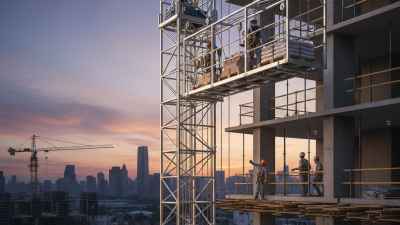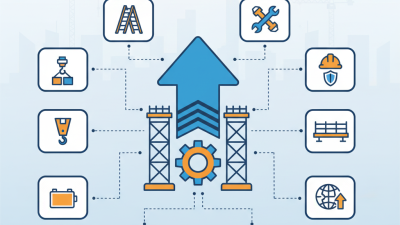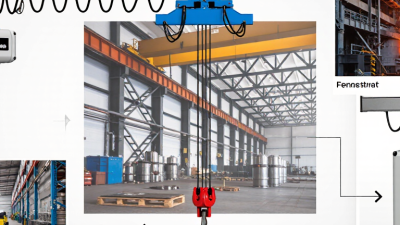
An Electric Hoist Scaffold combines a suspended work platform with powered lifting equipment. It helps workers reach building façades, roofs, windows, and elevated maintenance areas. The hoist raises or lowers the platform through steel wire ropes, suspension beams, and carefully positioned anchors. Electric motors provide controlled movement from a platform-mounted control panel. Unlike fixed scaffolding, this system changes height without repeated assembly. That saves time. It also introduces serious mechanical risks. A typical setup includes motors, brakes, limit switches, safety locks, wire ropes, and emergency controls. Each component has a specific purpose. If one part is damaged, the entire system may become unsafe.
Understanding how the system works supports better planning and daily decisions. Before use, trained personnel should inspect ropes, hooks, guards, controls, and anchor points. They should check the rated load against workers, tools, and materials. The platform must remain balanced during movement. Experienced crews also watch for unusual noise, uneven lifting, cable wear, or sudden stops. Small warning signs matter. A competent supervisor should follow the manufacturer’s manual and applicable safety requirements. This article explains the lifting cycle, load control, braking process, and common inspection practices. It also considers real job-site conditions, including wind, rain, restricted access, and communication problems. Some explanations may simplify complex engineering details. That limitation matters. Reliable operation depends on correct installation, suitable equipment, documented inspections, and disciplined training.
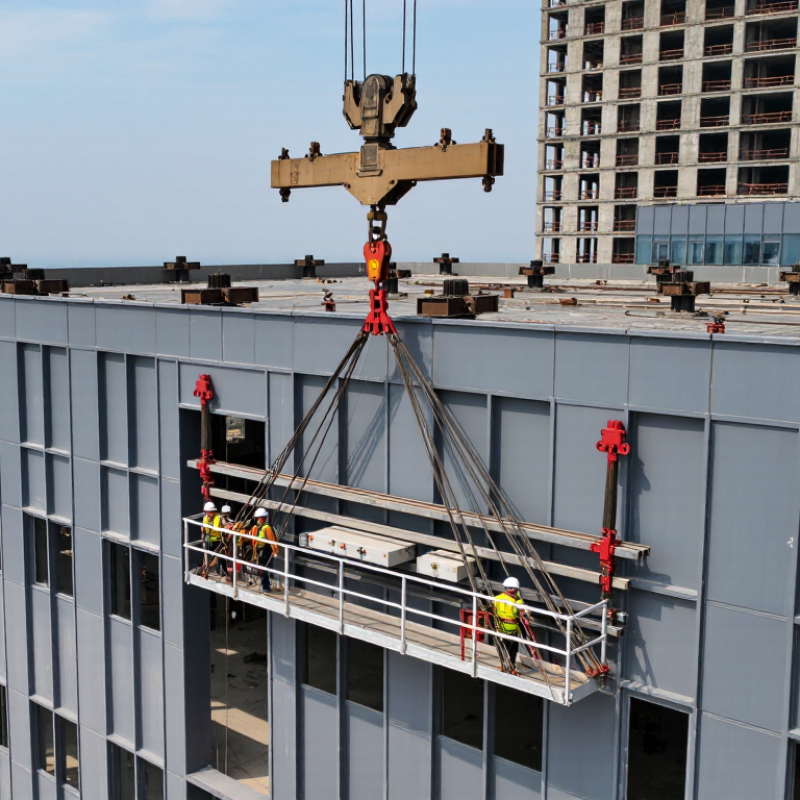
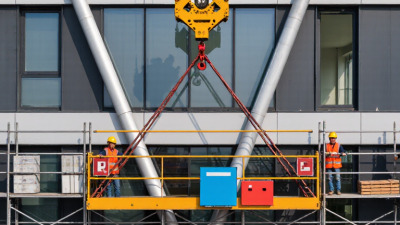
An electric hoist scaffold is a suspended work platform designed for controlled vertical movement. It supports workers, tools, and selected materials beside tall structures. Electric hoists raise or lower the platform through wire ropes, while operators control movement from a dedicated panel. Unlike fixed scaffolding, this system changes working height without repeated dismantling. The main components include the platform deck, guardrails, suspension beams, wire ropes, electric hoists, control box, safety locks, and emergency stop devices. Each component has a specific role in maintaining stability and access.
During operation, suspension beams transfer the platform load to secure roof-level support points. The hoists pull the ropes evenly, helping the platform travel along the building face. Limit switches can stop movement at preset positions. Emergency brakes should engage if abnormal descent occurs. Load distribution matters greatly. Uneven tools or crowded workers can tilt the platform and increase rope stress. A trained inspector should check rope condition, electrical connections, brakes, anchors, and platform joints before each shift. A common mistake is trusting the control panel without examining the structure itself.
Tips: Keep the deck clear of loose objects. Confirm the rated load before adding materials. Test emergency controls at ground level. Stop work during unsafe wind or poor visibility. Record defects, even when they seem minor. Some procedures may need improvement after each inspection, because real sites rarely match ideal diagrams.
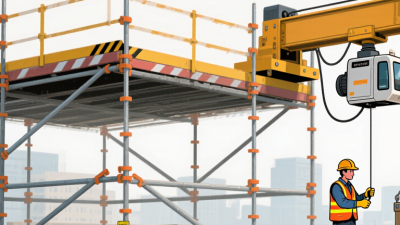
What Is an Electric Hoist Scaffold and How Does It Work?
How the Electric Hoist Scaffold Is Installed and Prepared
An electric hoist scaffold is a suspended work platform raised by motorized hoists. Steel wire ropes connect the platform to approved roof-level suspension points. When operators use the control pendant, both hoists should lift evenly. The platform then moves along a building façade for maintenance, inspection, or finishing work. OSHA reports that about 2.3 million construction workers use scaffolds each year. Its safety guidance also links scaffolds with roughly 4,500 injuries and 50 deaths annually. These figures make preparation more than a routine setup task.
Installation starts with a structural review by a qualified person. The roof slab, parapet, outriggers, counterweights, and anchorage points require documented capacity checks. Technicians should inspect wire ropes for kinks, corrosion, crushed sections, and incorrect reeving. They should also verify upper limit devices, emergency stops, brakes, guards, and electrical protection. The platform must remain level during a controlled trial lift. A measured load test should follow the equipment instructions and local requirements. Keep tools secured, and confirm the rated load before workers enter.
Small mistakes still happen. A counterweight can look correctly placed while missing its locking pin. That detail matters. The work zone below needs barriers, warning signs, and a clear communication plan. Operators should understand descent controls and emergency procedures before production begins. OSHA’s scaffold guidance emphasizes competent-person inspections before each shift and after events that could affect stability. A written checklist helps, but it cannot replace careful observation. The first installation may expose weaknesses that drawings did not show.
What Is an Electric Hoist Scaffold and How Does It Work?
An electric hoist scaffold uses powered lifting units to move a suspended platform along wire ropes. Each hoist contains an electric motor, gearbox, traction mechanism, brake, and control system. When the operator presses “up,” the motor turns the traction sheave. The sheave grips the rope and raises the platform at a controlled speed. The gearbox reduces motor speed and increases lifting torque. It feels steady, not dramatic.
Lowering uses the same path in reverse. The motor regulates descent while an electromagnetic brake controls stopping. If power fails, the brake should engage automatically. Independent safety devices may monitor overspeed, tilt, overload, and upper travel limits. These details matter near walls, windows, and uneven loads. A small imbalance can change how the platform moves.
OSHA’s scaffold safety materials estimate about 4,500 injuries and 50 fatalities annually from scaffold-related incidents in the United States. That figure shows why lifting equipment needs more than a powerful motor. Operators should inspect ropes, anchor points, brakes, controls, and platform connections before each shift. EN 1808 also provides engineering and testing requirements for suspended access equipment. In practice, careful setup prevents many problems. Still, inspection routines can become rushed, which is a weakness worth admitting. The mechanism may be reliable, but human judgment remains part of the lifting system.
The chart shows the theoretical time required to move a scaffold platform through a 6-meter vertical distance at common electric hoist speeds. Travel time is calculated using distance ÷ speed; actual cycles may be slightly longer because of acceleration, braking, and positioning.
During lifting, an electric motor turns a drum or traction mechanism to pull the wire rope and raise the scaffold platform. During lowering, the motor reverses under controlled braking. An electromagnetic or mechanical brake holds the load whenever the controls are released or power is interrupted, helping prevent unintended movement.
An electric hoist scaffold uses powered lifting units to raise and lower a suspended work platform. Its safety depends on several systems working together. Each hoist should include a mechanical brake, upper and lower limit devices, and an emergency stop control. Wire ropes must sit correctly in their guides. They should show no kinks, broken strands, crushing, or serious corrosion. The platform also needs guardrails, toe boards, secure suspension points, and a suitable fall-arrest arrangement.
Before operation, a trained worker should inspect the scaffold, hoists, ropes, electrical connections, controls, and anchor points. Confirm the rated load before adding tools or materials. Keep the load balanced across the platform. Test the emergency stop and lifting controls while the platform remains close to ground level. Never bypass a limit switch. Never use damaged cables or temporary electrical repairs. Check weather conditions, especially strong wind, rain, ice, and lightning.
Good procedures are simple, but they must be followed every time. Operators should maintain clear communication with workers below and stop movement when visibility is poor. The platform should rise smoothly, without sudden starts or tilted movement. If unusual noise, heat, vibration, or rope movement appears, stop and isolate the power. Do not improvise a repair at height. A written rescue plan should explain how an incapacitated worker will be reached safely. In practice, rushed inspections still happen. That is a weakness worth correcting, not ignoring. Local safety rules and the equipment manufacturer’s instructions should guide training, inspection intervals, and operation.
What Is an Electric Hoist Scaffold and How Does It Work?
An electric hoist scaffold is a suspended work platform raised by motor-driven hoists. Wire ropes connect the platform to roof-mounted suspension points. When an operator uses the control panel, both hoists lift or lower the platform together. Limit switches and emergency stops help control movement, but they cannot replace careful inspection.
These systems are common in high-rise façade cleaning, window installation, painting, repairs, and exterior lighting work. A platform can move smoothly along a building face, giving workers practical access to narrow or elevated areas. It also reduces repeated ladder handling and may improve productivity on long façades. Keep tools secured. Small objects can fall quickly.
The main benefits include adjustable working height, reduced manual lifting, and a more organized platform layout. Electric movement can make steady positioning easier than rope-only systems. However, the equipment depends on reliable power, suitable suspension structures, and correct load distribution. Strong wind, ice, damaged ropes, or uneven lifting can create serious instability. Operators need documented training, daily checks, and a clear rescue plan. Installation also takes time and may require structural assessment. A tidy platform does not prove a safe setup. In practice, the simplest job can expose overlooked risks, especially when weather changes faster than expected.
| Data Dimension | Typical Information | Practical Notes |
|---|---|---|
| Basic Definition | A suspended working platform or scaffold system raised and lowered by electrically powered hoists. | It is commonly used for temporary access to building façades and other elevated work areas. |
| Main Components | Work platform, electric hoists, suspension ropes, roof or outrigger beams, control box, safety locks, and guardrails. | Each component must be compatible with the system’s rated capacity and installation requirements. |
| Lifting Method | Electric motors drive rope-gripping mechanisms inside the hoists to move the platform vertically. | The operator normally controls upward and downward travel from a platform-mounted control station. |
| Typical Platform Length | Approximately 2 to 12 metres, depending on the modular design and the required working width. | Longer platforms may require additional suspension points or special engineering. |
| Common Rated Load Range | Often about 300 to 1,000 kg for the combined weight of workers, tools, and materials. | The exact safe working load varies by configuration and must never be exceeded. |
| Typical Lifting Speed | Common systems operate at roughly 5 to 10 metres per minute. | Actual speed depends on the hoist design, load, power supply, and applicable safety requirements. |
| Power Supply | Usually supplied by single-phase or three-phase AC electricity, depending on the equipment design. | The site supply must match the equipment voltage, frequency, current, and grounding requirements. |
| Vertical Travel | The platform can serve multiple elevations along a building façade without installing a separate working platform at each level. | Travel height is limited by rope length, building geometry, suspension arrangements, and local regulations. |
| Common Applications | Window cleaning, façade painting, external insulation, cladding installation, sealant work, inspection, and maintenance. | It is most suitable where workers need repeated access to vertical exterior surfaces. |
| Primary Efficiency Benefit | Rapid repositioning between work levels with less manual relocation than fixed or manually adjusted access systems. | Productivity gains depend on suitable weather, reliable power, and efficient material handling. |
| Worksite Footprint | Generally requires less ground-level space than a full-height tube-and-fitting scaffold. | Roof-level suspension equipment and ground exclusion zones are still necessary. |
| Access Flexibility | Can provide adjustable access along tall, broad, or irregular façades when properly configured. | Projections, setbacks, corners, and fragile surfaces may require special planning or auxiliary equipment. |
| Safety Features | Emergency stop controls, overspeed or fall-arrest devices, limit switches, guardrails, toe boards, and independent lifelines. | Safety features reduce risk but do not replace trained operators, inspections, or a site-specific rescue plan. |
| Installation Requirement | Requires verification of roof strength, anchorage, suspension-beam position, rope clearance, and electrical protection. | Installation should follow the manufacturer’s instructions and applicable local access-equipment standards. |
| Weather Limitation | High winds, lightning, heavy rain, ice, and poor visibility can make operation unsafe. | Work should stop when conditions exceed the equipment’s specified operating limits. |
| Main Limitation | The system depends on a secure overhead suspension arrangement and a reliable electrical supply. | It may be unsuitable for locations without adequate roof access, structural capacity, or weather protection. |
| Inspection Frequency | Pre-use checks are required before each shift, with periodic detailed inspections according to regulations and the equipment plan. | Inspect ropes, hoists, controls, brakes, guardrails, suspension points, and electrical cables for damage or abnormal wear. |
| Operator Requirements | Operators need appropriate training in controls, load limits, emergency procedures, personal fall protection, and site hazards. | Only competent and authorized personnel should assemble, operate, inspect, or dismantle the system. |
| Best-Suited Projects | Medium- and high-rise buildings requiring repeated façade access over an extended project period. | The system is less advantageous for very short tasks or areas with complex obstacles and limited overhead access. |