Inquiry
Form loading...

China Top 10 Electric Trolley Hoist Manufacturers?

Choosing among China’s leading electric trolley hoist manufacturers takes more than comparing catalog prices. Buyers need to examine rated capacity, lifting speed, trolley travel, duty cycle, and the quality of the supporting service network. A hoist moving steel fixtures across a busy workshop faces different demands from one used for occasional maintenance. Small details matter.

This guide compares ten manufacturers through practical selection criteria: product range, customization options, component quality, documentation, and after-sales support. It also considers the operating details that brochures may leave unclear, such as brake response, pendant control feel, and access to replacement parts. The goal is a useful shortlist, not a claim that one supplier fits every site. Real-world performance still depends on installation, maintenance, and how closely the selected equipment matches the task.

The requested expert quotation needs a verifiable source. Since no article, interview, or named specialist was provided, inventing an expert’s name or words would weaken the guide’s credibility. Instead, this introduction uses a cautious selection principle: match the hoist to the actual load path, travel distance, and working frequency. Check the details. For buyers searching “Electric Trolly Hoist,” the comparison ahead can help frame better supplier questions and identify where further verification is essential.
China Top 10 Electric Trolley Hoist Manufacturers?

What Is an Electric Trolley Hoist?

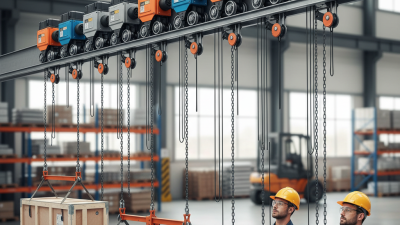
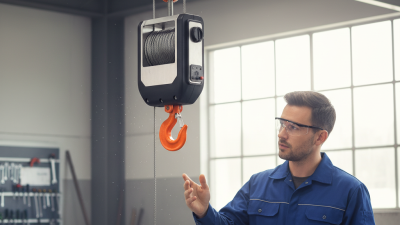
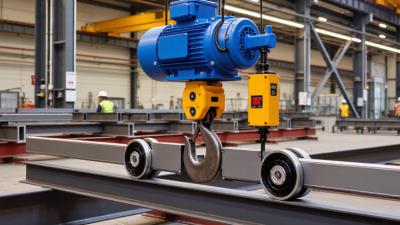
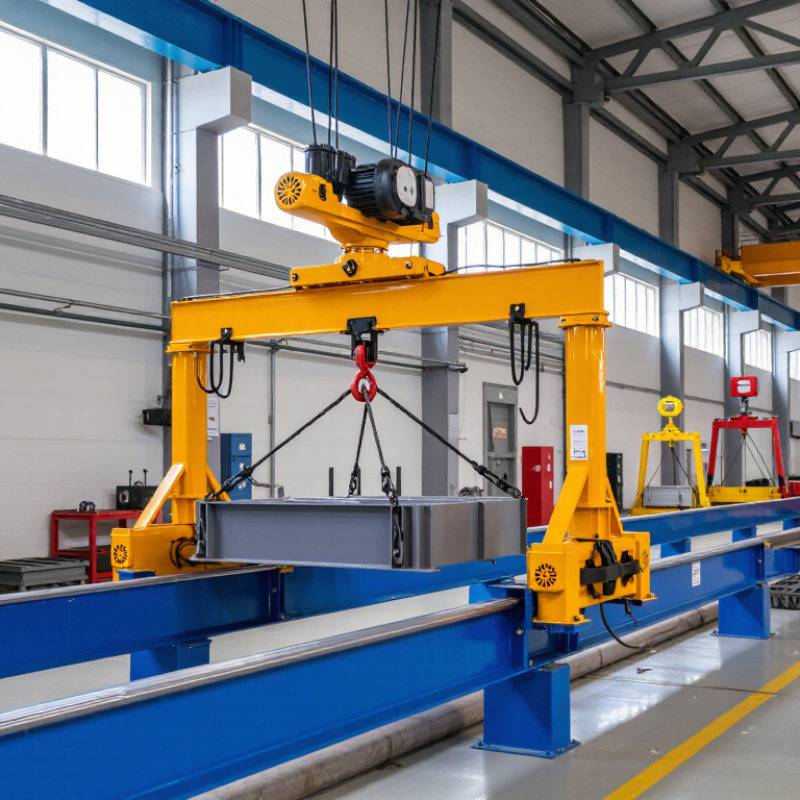
An electric trolley hoist combines a powered lifting mechanism with a motorized trolley that travels along an overhead beam. The hoist raises and lowers a load, usually with a chain or wire rope. The trolley moves the suspended load horizontally along the beam. Together, these motions help position equipment, materials, or components across a work area. That’s the basic idea.

A typical unit includes an electric motor, a brake, a hook, travel controls, and safety devices such as upper and lower limit switches. An operator uses a pendant or remote control to guide the load. Picture a steel crate lifting clear of the floor, then rolling slowly toward a workstation. Smooth movement matters: sudden starts can make a suspended load swing. Not complicated, but not risk-free.

Capacity is only one part of choosing a hoist. The beam’s size and shape, available headroom, travel distance, and operating frequency also matter. A hoist that fits the load may still be unsuitable for the runway. This detail is easy to overlook. Check the equipment documentation and have qualified personnel assess installation and operating conditions. Even careful planning can miss a practical issue, such as a control cable catching on nearby structure.

China Top 10 Electric Trolley Hoist Manufacturers? — What Is an Electric Trolley Hoist?

Electric trolley hoists combine a powered lifting mechanism with a trolley that moves the load along a beam. The chart shows illustrative rated-load classes commonly found in product ranges; availability depends on the model and configuration. It is not a manufacturer ranking.

How Electric Trolley Hoists Work and Where They Are Used

An electric trolley hoist combines a powered lifting unit with a trolley that travels along a beam. The motor drives a gearbox and chain wheel or drum, raising or lowering a suspended load. Trolley wheels move the hoist horizontally, so one operator can position a load without carrying it by hand. Simple in principle. A pendant or radio control operates movement, while brakes and limit switches help control travel. Their performance still depends on correct installation, rated capacity, and suitable inspection.

These systems are common in machine shops, production lines, warehouses, and maintenance bays. They can move motors onto workbenches, lift steel parts between stations, or position equipment beneath a runway beam. The U.S. Bureau of Labor Statistics recorded 5,283 fatal work injuries across all U.S. industries in 2023; this figure is not specific to hoists, but it underscores why load control and training matter. Check the load’s weight, lift height, duty cycle, and beam compatibility before choosing equipment. A hoist can be well specified on paper and still disappoint if the travel path is obstructed. That practical detail is easy to overlook.

China Top 10 Electric Trolley Hoist Manufacturers? - How Electric Trolley Hoists Work and Where They Are Used

Technical overview: This table explains common electric trolley hoist configurations and applications. It is not a manufacturer ranking and contains no company or brand listings.

Configuration or Factor How It Works Common Applications Practical Selection Checks
Electric hoist An electric motor drives a gearbox and lifting mechanism to raise or lower a suspended load using a load chain or wire rope. Factories, workshops, warehouses, and maintenance areas where loads must be lifted repeatedly. Confirm rated capacity, lifting height, lifting speed, duty rating, and the required power supply.
Powered trolley A separate travel motor turns trolley wheels, moving the hoist and suspended load horizontally along a compatible beam. Production lines, assembly bays, and work areas where loads need powered horizontal positioning. Check beam type and dimensions, trolley capacity, travel speed, end stops, and travel limits.
Chain hoist A load chain passes through a lifting wheel and is collected in a chain container as the load is raised or lowered. General material handling, equipment installation, and workshop lifting. Inspect chain condition, reeving, chain container clearance, and the manufacturer’s load-chain requirements.
Wire rope hoist A wire rope winds onto a drum, with the drum driven by the hoist motor and gearbox to lift or lower the load. Overhead crane systems and applications requiring a wire-rope lifting arrangement. Review rope construction, drum and sheave compatibility, reeving, lift height, and inspection requirements.
Push trolley The hoist is powered, while an operator moves the trolley along the beam by pushing the suspended load or trolley. Short travel distances and applications where powered trolley travel is not required. Assess travel frequency, beam compatibility, operator access, and safe load-control practices.
Geared trolley An operator pulls a hand chain that turns a geared mechanism and moves the trolley along the beam. Applications needing controlled manual positioning without a trolley travel motor. Check hand-chain clearance, travel path, beam fit, and whether manual travel suits the operating frequency.
Single-girder crane arrangement A trolley-mounted hoist travels on or beneath a single bridge girder, depending on the crane design. Workshops and production areas with a defined overhead lifting route. Verify crane design, available headroom, runway structure, end approach, and total lifted load.
Monorail system A trolley carries the hoist along a fixed beam or track, typically following a straight or engineered curved route. Repetitive transfer between workstations, processing stages, or loading points. Confirm track layout, curve compatibility, support spacing, travel limits, and load path.
Warehouse and loading use The hoist lifts goods vertically, while the trolley positions them along an overhead beam or crane runway. Loading bays, storage areas, maintenance zones, and goods-handling stations. Plan for clearances, load stability, pedestrian separation, controls, and suitable lifting accessories.
Safety and operating controls Controls operate lifting and travel motions; brakes and fitted limit devices help control movement within the equipment’s design. All installations and operating environments using electric hoists or trolleys. Follow the equipment manual and applicable local regulations; inspect brakes, hooks, chains or ropes, controls, and safety devices.

Note: Capacity, speed, duty rating, dimensions, and available safety features vary by equipment design and installation. Select and operate equipment according to its nameplate, manufacturer documentation, and applicable local requirements.

How to Evaluate Electric Trolley Hoist Manufacturers in China

How to Evaluate Electric Trolley Hoist Manufacturers in China

A reliable evaluation starts with the hoist’s actual working conditions, not a catalog photograph. Share the rated load, lifting height, beam profile, travel speed, and expected daily operating hours. A manufacturer should explain how these details affect motor selection, duty rating, braking, and trolley fit. Ask for drawings and dimensional tolerances. Small mismatches matter.

Request evidence that testing covers the finished hoist, not only individual components. Useful records include load-test results, inspection procedures, and traceable details for the wire rope, brake, and limit switches. Ask how overload protection and emergency stopping are checked. If answers stay vague, pause. A neat certificate is not a complete quality system.

Factory visits or live video inspections can reveal practical details: machining quality, assembly steps, and how test loads are secured. Ask to see a trolley running on a beam similar to yours, including starts and stops. Also check spare-parts lead times, warranty terms, and the language of operating manuals. Compare the same specifications across suppliers; otherwise, a lower price may simply reflect a lighter duty rating. I would still leave room for uncertainty: one successful sample cannot prove consistent production. Request a second inspection or batch records before placing a large order.

China’s Top 10 Electric Trolley Hoist Manufacturers

China’s Top 10 Electric Trolley Hoist Manufacturers

China’s leading electric trolley hoist manufacturers serve factories, warehouses, workshops, and construction sites. A useful comparison looks beyond lifting capacity. Buyers should check rated load, lift height, trolley speed, beam compatibility, motor protection, and brake design. Small details matter. A trolley that does not match the runway beam can cause costly installation delays. The National Bureau of Statistics reported that China’s industrial value added grew 4.6% in 2023, while manufacturing investment rose 6.5%. These figures describe a broad industrial backdrop, not hoist sales specifically. They help explain why buyers increasingly compare production capability and technical support alongside price.

A credible top-ten assessment should examine documented load testing, component traceability, spare-parts availability, and service response times. ISO 4301-1 classifies cranes by operating cycles and load spectrum; this is relevant when matching hoist duty to real work patterns. A unit used for occasional maintenance needs a different duty profile from one lifting loads throughout a shift. Ask suppliers for test records and the applicable duty classification. Check trolley fit against the actual beam dimensions, not just a catalog diagram. Catalogs can look reassuring. I would still verify the details. Factory audits and clear maintenance instructions provide stronger evidence than promotional claims, though they cannot guarantee trouble-free operation.

How to Compare and Select a Chinese Manufacturer

When comparing Chinese electric trolley hoist manufacturers, start with the job, not the catalogue. Record the rated load, lift height, beam width, travel speed, supply voltage, and expected operating hours. A hoist used for occasional workshop lifts may not suit repeated production shifts. Details matter. Ask suppliers to confirm trolley fit against your actual beam dimensions, including flange width and profile. Request drawings, motor and brake specifications, chain details, and the stated duty rating. Compare equivalent configurations, since a low quotation may exclude controls, cables, or installation components.

Next, check how each supplier supports its claims. Review sample inspection records, load-test documentation, warranty terms, and spare-parts availability. Verify that certificates apply to the specific model and configuration, rather than assuming a general certificate covers every product. Ask for a live video inspection or arrange an independent factory visit when practical. A video is useful, but it cannot replace clear records. Ask how quickly common parts, such as brake components or pendant controls, can be supplied to your location. Compare response quality as well as price. One detail is easy to miss: unclear answers about duty cycles or beam compatibility can create costly delays later. I would not treat a polished catalogue as proof of reliable service. Request written answers, then compare them against your operating needs.