Where to Find Top Micro Electric Hoist Suppliers in China?
Finding a dependable Micro Electric Hoist supplier in China takes more than comparing prices. The market includes direct manufacturers, trading companies, and export-focused suppliers. Each may suit a different order size or purchasing process. The challenge is knowing what stands behind a polished product listing.
A useful search starts with clear requirements: rated capacity, lifting height, power supply, duty cycle, and intended working environment. These details help suppliers recommend a suitable model instead of offering a vague quote. Ask for product specifications, inspection procedures, warranty terms, and relevant quality documents. Then compare answers, not just prices. A sample or factory audit may offer further insight when the order and budget justify it.
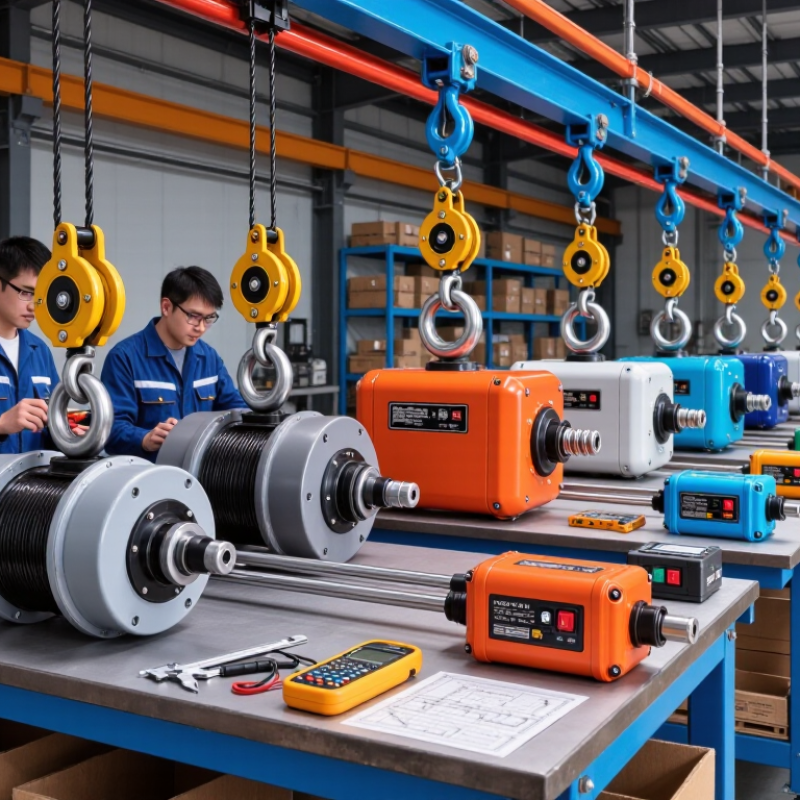
Look for evidence of consistent production, responsive technical support, and experience with your destination market. Confirm whether the company manufactures the hoist or sources it from another facility. Neither arrangement is automatically a problem, but the distinction affects quality control and communication. Check how the supplier handles spare parts, packaging, lead times, and issues found before shipment. Keep written records of agreed specifications.
A supplier page can look polished; it proves little by itself. Even experienced buyers can overlook small details, such as control voltage or installation requirements. This guide explains where to search, how to assess potential suppliers, and which questions can make comparisons more reliable. No checklist guarantees a perfect purchase. Careful verification still matters.
Understanding Micro Electric Hoists and Their Key Requirements
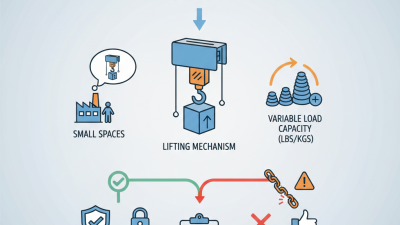
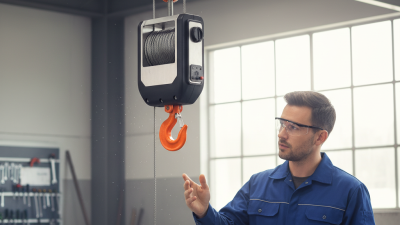
A micro electric hoist is designed for compact lifting tasks, such as moving components across a workshop bench or raising a small load into a service bay. Its small size does not make every model suitable for every job. Check the rated capacity, lift height, lifting speed, and expected operating frequency against your actual workload. A hoist used for occasional positioning may need different specifications from one that runs repeatedly through a shift.
Power and installation details matter too. Confirm the available voltage, mounting arrangement, beam dimensions, and clearance above the load. Ask suppliers for a readable specification sheet, load-test documentation, operating instructions, and details of overload protection and emergency controls. For dusty, damp, or hot work areas, clarify the hoist’s environmental limits rather than assuming a compact unit can handle them. One detail is easy to miss: the hook must have enough room to connect and move safely.
Tips: Describe your load, duty cycle, and workspace to the supplier. Request a short video showing the controls and lifting action. Compare the documentation, not just the quoted capacity. If the application is unusual, pause and verify the selection with a qualified lifting professional; guessing here is not a useful shortcut.
Where to Find Top Micro Electric Hoist Suppliers in China?
Understanding common rated-load options and key requirements when evaluating suppliers.
These are representative rated-load classes commonly found in compact electric hoist ranges, not a supplier survey; availability varies by model. When comparing suppliers, confirm the rated load, lifting height and speed, power supply, duty rating, safety features, and applicable certifications for the exact model.
Mapping China’s Main Hoist Manufacturing Regions
China’s hoist suppliers cluster around distinct manufacturing bases.
Henan’s Changyuan is the most visible heavy-lifting hub. A Changyuan municipal industry profile reports more than 2,000 crane-related businesses and roughly 70% of China’s crane market. That concentration supports access to motors, drums, controls, and fabrication services. For buyers, nearby component makers can shorten sourcing loops.
Yet a regional cluster does not guarantee consistent quality.
Smaller electric hoists also come from manufacturing areas in Zhejiang and Jiangsu, where compact motors, castings, and electrical parts are widely produced. The National Bureau of Statistics’ 2023 industrial data tracks equipment manufacturing as a major national sector, but does not isolate micro-hoist output by province. Treat regional claims with care.
The map is useful, but incomplete.
A factory visit should check load-test records, brake response, and the finish inside the gearbox—not only the polished casing.
China’s 2023 government work report highlights advanced manufacturing and industrial upgrading, context that matters when assessing supplier capability. Ask suppliers to identify where motors, limit switches, and load-bearing components are made. Then verify traceability and sample-test the exact hoist model.
A neat workshop is not enough.
Finding Suppliers Through Directories, Trade Shows, and Online Platforms
Where to Find Top Micro Electric Hoist Suppliers in China?
Directories help build a shortlist, but listings are only starting points. Compare suppliers by rated load, lift height, duty class, voltage, brake design, and chain specifications. Ask for test records, inspection procedures, and the exact factory address. A certificate alone is not proof of consistent production. Verify it.
At machinery trade shows, inspect a working hoist: listen for irregular motor noise and check the pendant, hook latch, and chain movement. Ask who performs load testing and how spare parts are supplied.
Online platforms make comparison faster, but request a live video walkthrough and dated product documents before discussing samples. McKinsey’s 2021 B2B Pulse found 70% of surveyed decision-makers were open to remote or self-service purchases above $50,000. That supports digital buying, not blind trust.
UNCTAD estimated global e-commerce sales reached $26.7 trillion in 2019, including business transactions; scale does not guarantee supplier quality. I would still compare one sample against its paperwork.
Verifying Supplier Credentials, Product Quality, and Compliance
A micro electric hoist may look simple on a sales sheet, but its safe working life depends on traceable engineering and honest documentation. The U.S. Bureau of Labor Statistics’ 2023 Census of Fatal Occupational Injuries recorded 5,283 fatal work injuries. Its 2023 injury report also counted 2.6 million nonfatal cases in private industry. These figures cover all sectors, not hoists alone, but they show why lifting equipment deserves careful checks. Ask suppliers for business registration, factory audit records, and serial-number traceability. Then match the nameplate rating to the test certificate. A polished PDF is not enough.
Request the rated-load test method, inspection date, duty classification, and component specifications. Check that the brake holds under load and that the chain, hook, and limit switch match the order. Ask which standards apply to the destination market and the intended installation; requirements can vary. Verify certificates with the issuing body where possible, and inspect a production sample or third-party test report. Paperwork can still disappoint. I would also ask for clear photos of the hoist’s nameplate, wiring diagram, and packaging labels before shipment. Small details matter. If a supplier cannot explain a discrepancy between documents and the physical unit, pause the purchase and request evidence in writing.
Comparing Quotes, Services, and Lead Times Before Selection
When comparing micro electric hoist suppliers in China, request quotes against one shared specification. Include rated load, lift height, lifting speed, power supply, duty cycle, control type, and operating environment. Otherwise, a cheaper offer may describe a lighter-duty unit. That matters. Ask whether the price includes pendant controls, a trolley, spare parts, packaging, and pre-shipment inspection.
Review service as carefully as price. A capable supplier should answer technical questions in writing and provide clear manuals, wiring diagrams, test records, and warranty terms. Ask who handles commissioning questions and how quickly replacement parts can be dispatched. Request a load-test video or a sample inspection plan; documents are useful, but they cannot show every detail. Polished photos are not proof.
Lead times need precise definitions. Separate manufacturing days from packing, export handling, and transit, then ask for a realistic ship date in writing. Confirm whether components are in stock and what could delay production during busy periods. Compare payment milestones and quote validity too. A short promised schedule is difficult to plan around when dates are vague. Leave buffer time. It is easy to overlook response times while focusing on price.
Where to Find Top Micro Electric Hoist Suppliers in China? — Comparing Quotes, Services, and Lead Times Before Selection
Use this comparison sheet when requesting quotations. Hoist configurations, prices, and production schedules vary by supplier and specification; enter values from current written quotations rather than relying on generic market estimates.
| Comparison Dimension |
What to Confirm in the Quotation |
Quote 1 |
Quote 2 |
Quote 3 |
| Hoist type |
Wire-rope or chain hoist; state the exact model and intended application. |
To be quoted |
To be quoted |
To be quoted |
| Rated capacity |
Specify the required safe working load. Common catalog capacities vary by design and model; verify the rated load on the product nameplate and technical datasheet. |
To be quoted |
To be quoted |
To be quoted |
| Lift height and speed |
Confirm usable lift height, lifting speed, and whether the hoist is single-speed or variable-speed. |
To be quoted |
To be quoted |
To be quoted |
| Power supply |
Match voltage, frequency, and phase to the installation site; request the motor and wiring specifications. |
To be quoted |
To be quoted |
To be quoted |
| Duty and operating conditions |
Request the stated duty classification or operating limits, including starts per hour and allowable operating time, where applicable. |
To be quoted |
To be quoted |
To be quoted |
| Safety features |
Confirm the supplied braking system, upper/lower limit protection, overload protection if required, and emergency-stop arrangement. |
To be quoted |
To be quoted |
To be quoted |
| Mounting and controls |
Check suspension or trolley arrangement, available beam range, control voltage, pendant length, and control options. |
To be quoted |
To be quoted |
To be quoted |
| Compliance documents |
Request the applicable conformity documents, test records, manuals, and product-specific declarations. Verify that documents match the quoted model and destination-market requirements. |
To be quoted |
To be quoted |
To be quoted |
| Price and inclusions |
Record currency, quantity basis, included accessories, packaging, tooling or customization charges, and quotation validity. |
To be quoted |
To be quoted |
To be quoted |
| Lead time |
Ask for the production lead time after drawing/specification approval and deposit, plus estimated dispatch date for the quoted quantity. |
To be confirmed |
To be confirmed |
To be confirmed |
| Shipping terms |
Compare the named delivery term and location, packing method, shipment mode, and whether freight and export documentation are included. |
To be quoted |
To be quoted |
To be quoted |
| After-sales support |
Confirm warranty duration and scope, spare-parts availability, troubleshooting support, and the process for handling defects or claims. |
To be quoted |
To be quoted |
To be quoted |
| Supplier verification |
Request a business registration profile, factory or product inspection options, recent production references, and a live video or third-party audit if needed. |
To be verified |
To be verified |
To be verified |